


19th Century Majolica
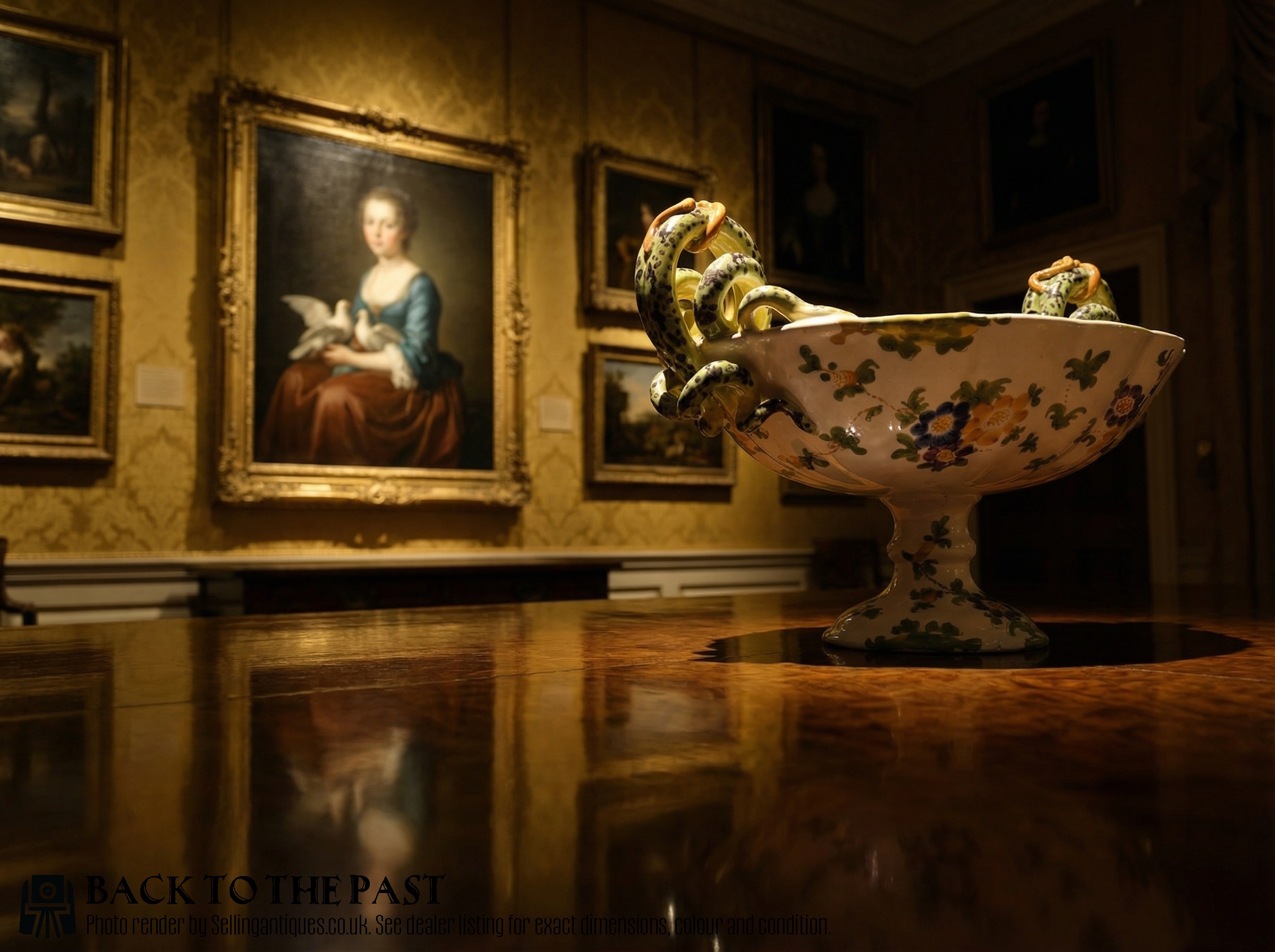
19th century majolica comprises richly glazed earthenware ceramics modelled into fanciful naturalistic forms, grand tableware and ornamental vessels intended to display colour and texture in Victorian interiors.
19th Century Majolica
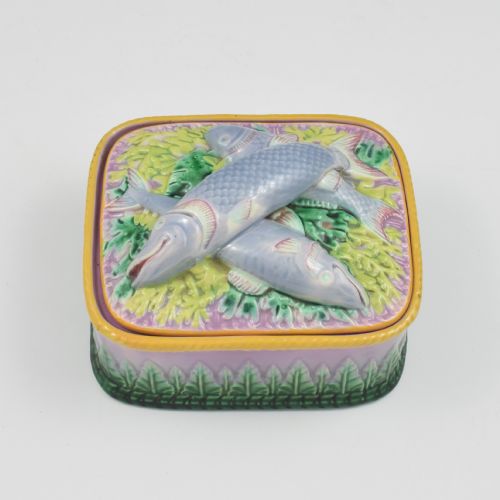
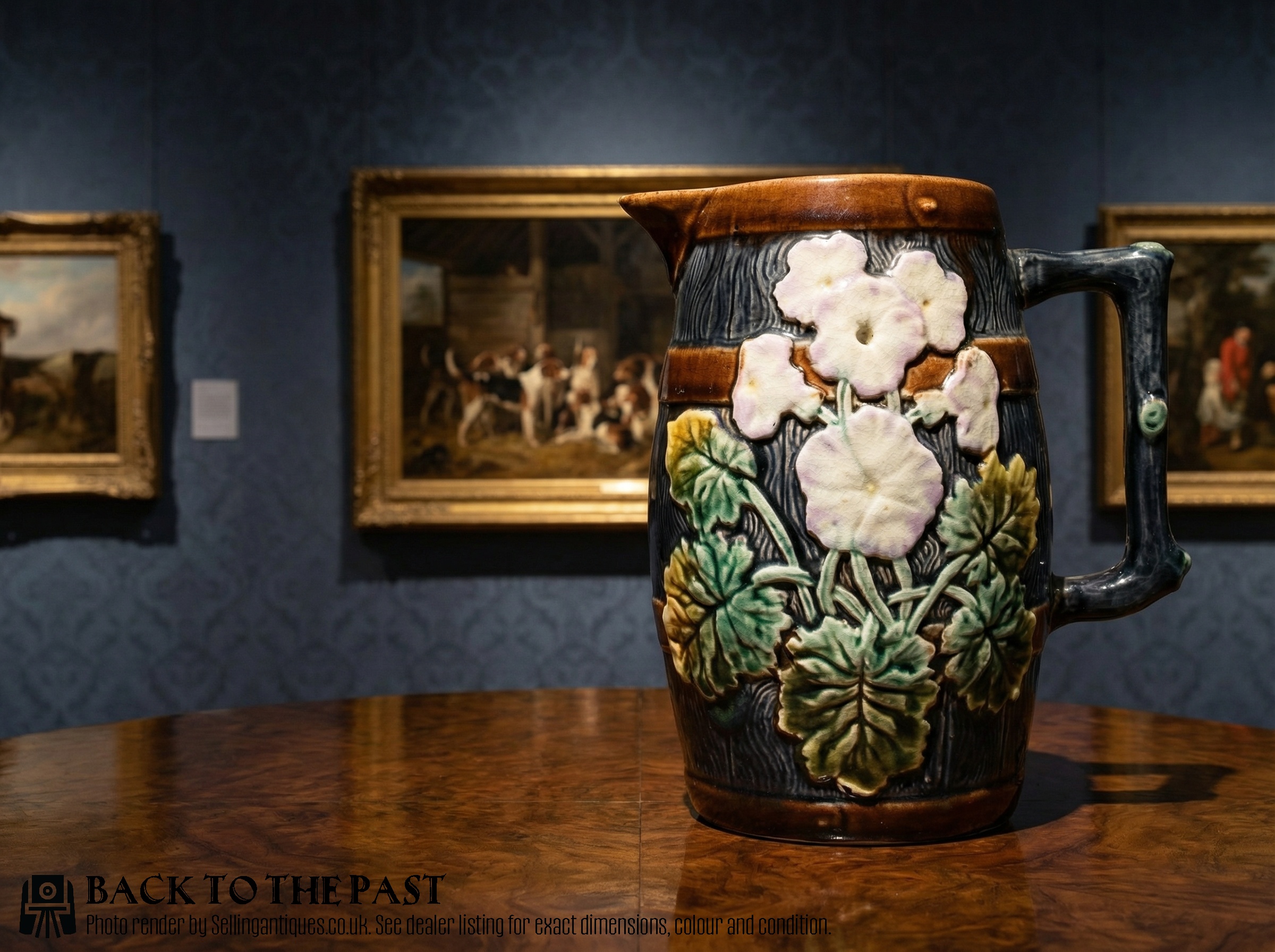
When searching for 19th century majolica, buyers encounter a diverse array of moulded earthenware objects, ranging from large jardinieres and garden seats to intricate cheese domes, sardine boxes and figural jugs. The most common pieces on this page are British and continental table wares and planters created during the height of the Victorian era.
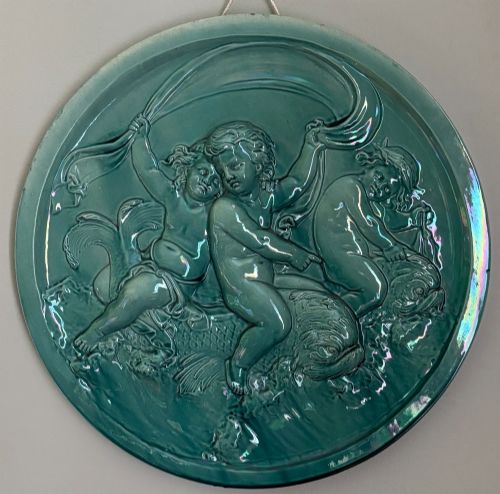
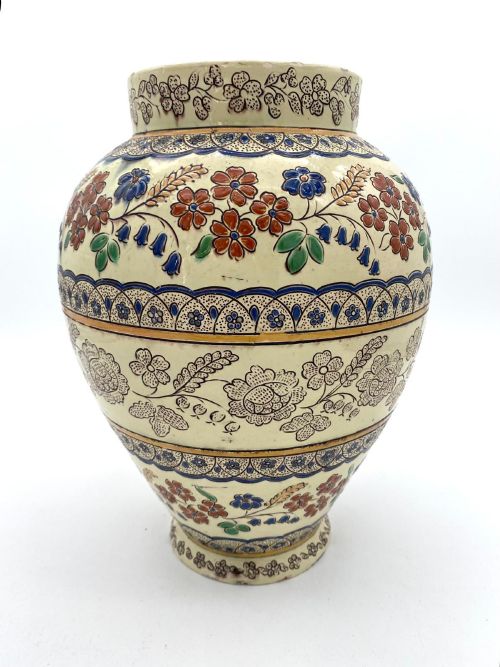
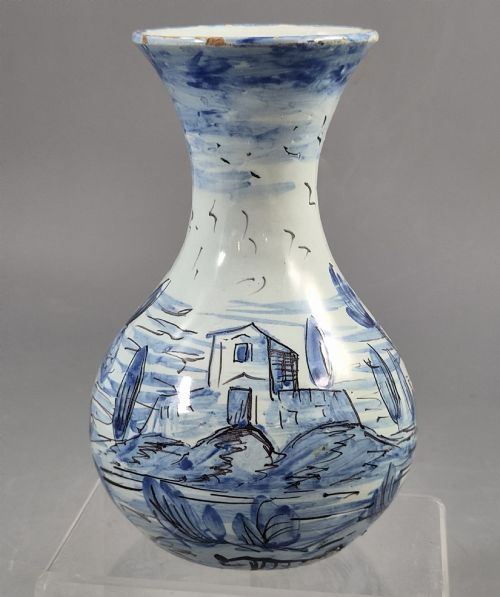
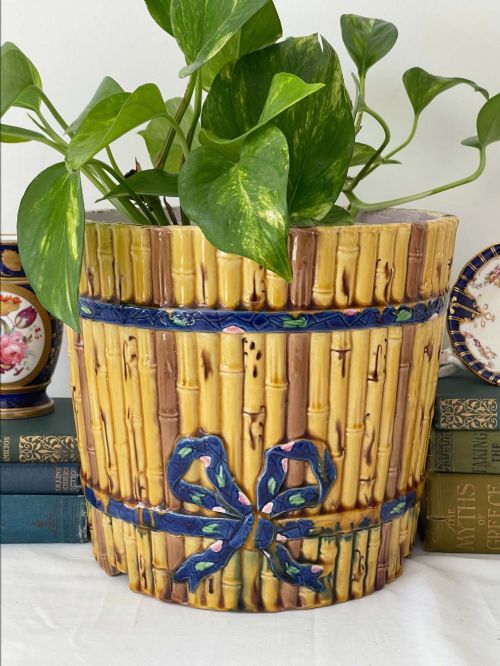
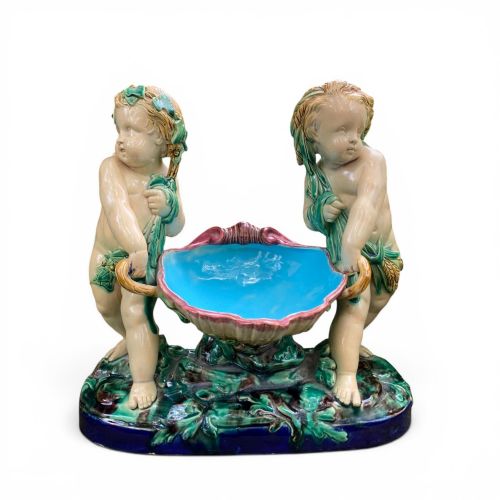
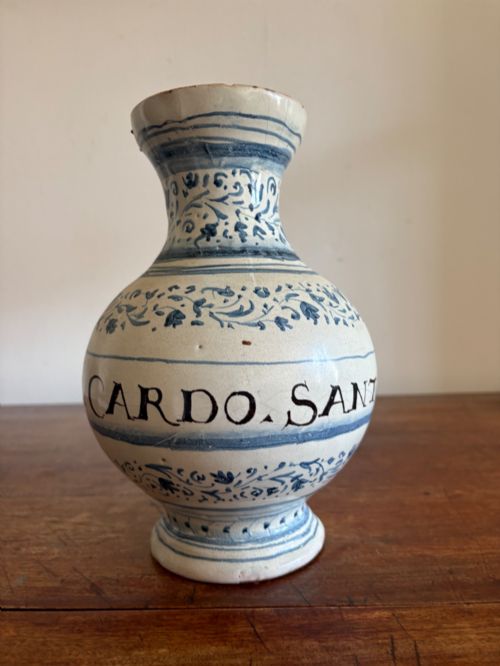
The aesthetic embraces both naturalism and revivalism, drawing heavily on plant motifs such as bamboo, begonia leaves and ferns, alongside classical figures, cherubs and Renaissance ornamentation. Continental workshops also contribute traditional pharmacy jars, apothecary albarelos and large decorative chargers spanning Italian and French traditions.
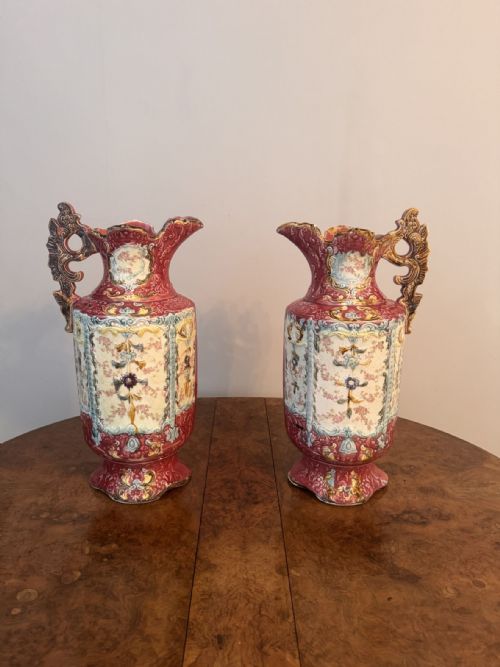
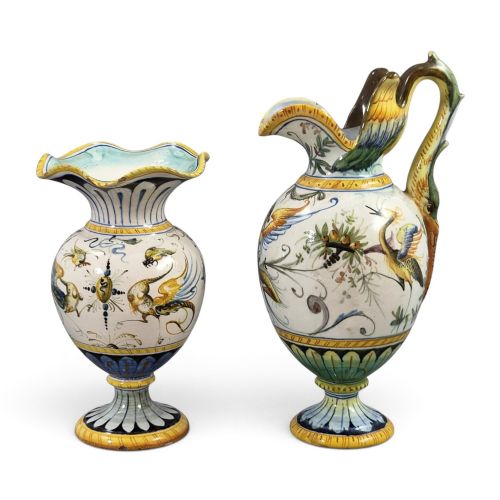
Forms serve both decorative and utilitarian purposes, encompassing ewers, vases, wall brackets, comports and large table services. English factories such as Minton and George Jones feature prominently alongside Italian potteries like Cantagalli and French faience manufacturers.

How they were made
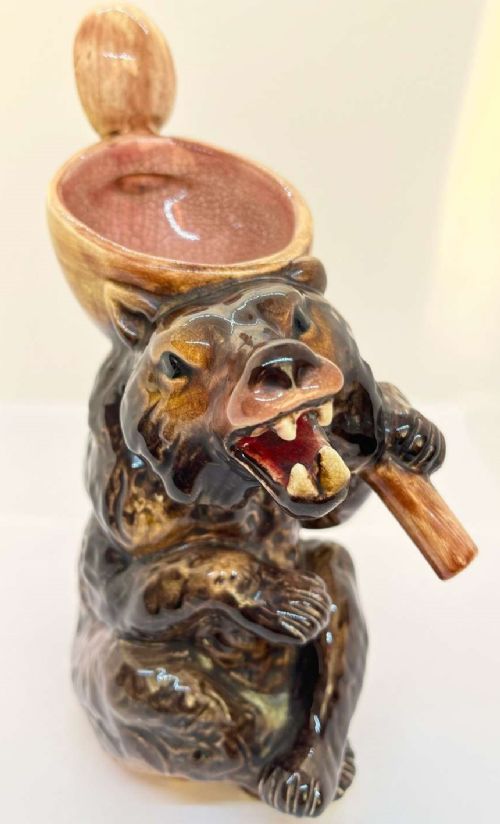
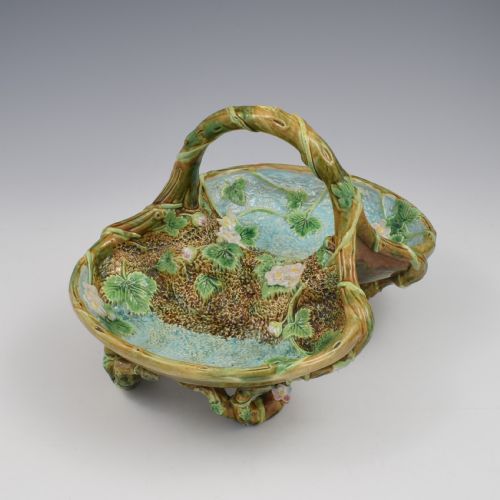
Makers shaped these wares using earthenware bodies, formed either by press moulding or slip casting to achieve complex botanical and figural shapes such as shells, animals and woven baskets. This method permitted intricate relief decoration that defined Victorian naturalism and Renaissance revival styles.
Pieces received coloured lead or tin glazes applied directly over the raw clay or a white ground before firing. These specialised majolica glazes melted and pooled during the kiln process, creating the characteristic vibrant polychrome palette and glossy depth seen on surfaces.
19th Century Majolica Retail Price Guide 2026
Typical asking prices for 19th century majolica among the pieces listed under this phrase on Sellingantiques today, from the lower quarter to the upper quarter. They describe what is for sale here now, not the wider market.
Listings feature earthenware forms glazed with lead and tin, spanning Victorian naturalism and Italian Renaissance revival styles.
What varies in quality
Quality rests primarily in the crispness of the original moulding and the precision of the glaze application. Finer examples retain sharp relief details in leaves, figures and basket weave textures without glaze pooling obscuring the underlying design.
The palette deployed by the decorator distinguishes standard production from exceptional works. Superior pieces display a complex, harmonious blend of polychrome pigments, manganese and yellow highlights that accentuate the sculptural contours of the earthenware body.
Holdcroft·Cantagalli·Wedgwood·Minton·George Jones·Clement Messier·Sarreguemines·Royal Worcester
The 19th Century Majolica Glossary
- Majolica glaze
- A colourful lead or tin glaze applied to earthenware, firing to a high gloss that catches light on moulded surfaces. It allows pigments to intermix softly in the kiln.
- Albarello
- A cylindrical earthenware jar used in pharmacies and apothecaries to store dry drugs or ointments. Originating in the Middle East, the form was widely adopted in Italian majolica production.
- Comport
- A raised dish or bowl on a foot, used historically for serving fruit or dessert at the dining table. Many 19th century examples feature naturalistic leaf and plant motifs.
- Jardiniere
- A large ornamental pot or stand designed to hold growing plants or floral displays. These often incorporate heavy architectural or naturalistic relief work.
- Earthenware
- Porous pottery fired at lower temperatures than stoneware or porcelain, requiring a glaze to achieve impermeability. It serves as the standard body for almost all 19th century majolica.
19th Century Majolica: Frequently Asked Questions
Are these pieces dishwasher safe?
These historical ceramics are entirely unsuited for modern dishwashers. The aggressive detergents and thermal shock will damage the fragile historic glaze.
Display these items away from direct heat sources and strong sunlight to protect the coloured lead and tin glazes from fading over time.
What is a cheese dome used for?
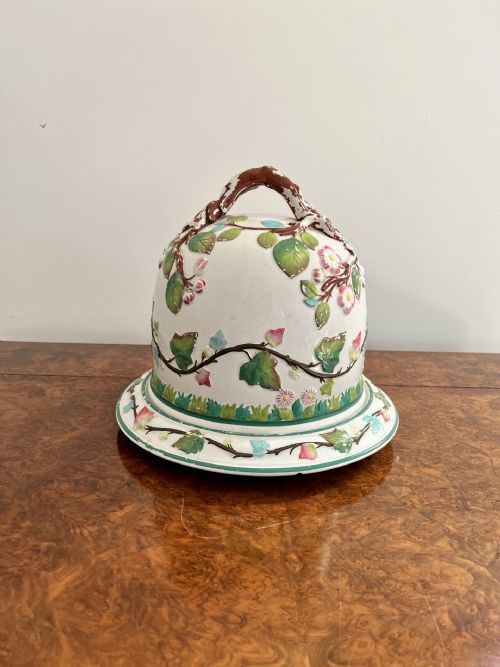
Victorian households utilised cheese domes, often accompanied by matching stands or platters, to keep large blocks of cheese fresh on the dining table. The heavy ceramic cover trapped moisture and protected the food from insects.
These covered dishes frequently featured naturalistic vegetable or animal handles, reflecting the Victorian appetite for whimsical table ornamentation.
How can I distinguish English from Italian pieces?
English factories like Minton and George Jones typically employed robust earthenware bodies with dense, vibrant coloured glazes and naturalistic plant or animal motifs. Their work often bears impressed factory date ciphers or shape numbers.
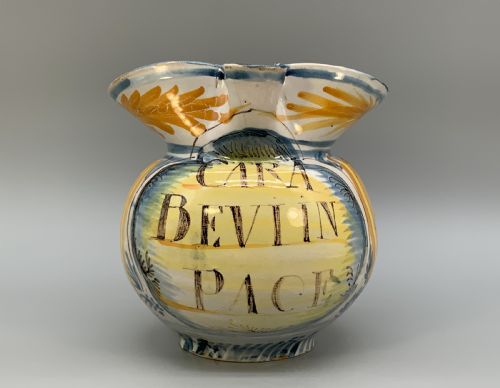
Italian pieces, particularly those from Florence or regional workshops, frequently lean towards Renaissance Revival styles, grotesque ornament, blue and white palettes or traditional apothecary forms.