

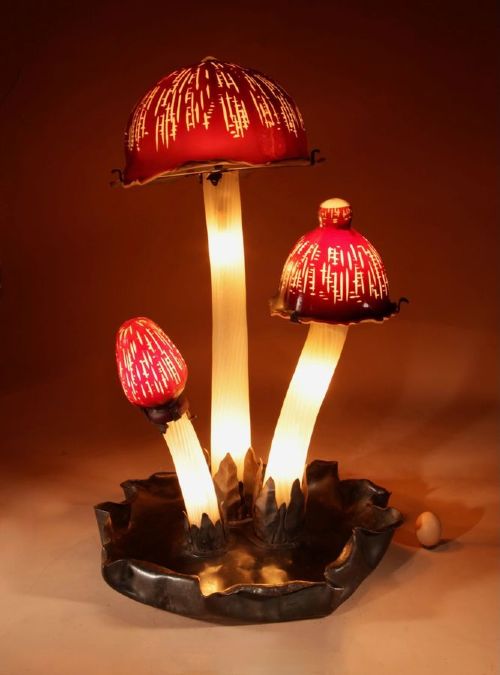
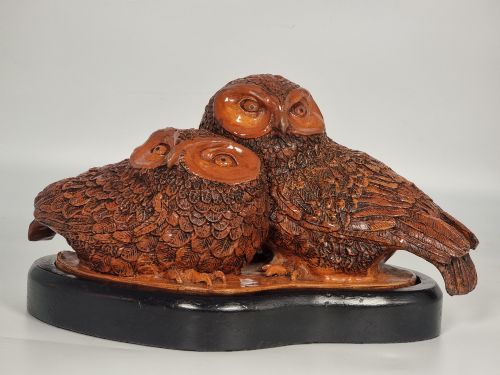
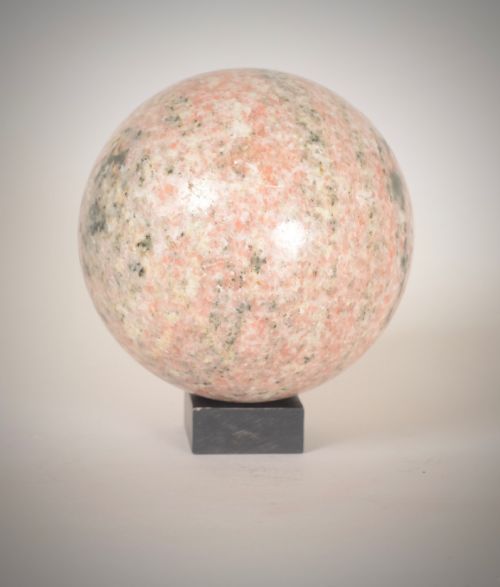
Antique Decorative Sculpture
Antique decorative sculpture brings character into a room through carved wood, cast bronze and modelled porcelain shaped across centuries.
Antique Decorative Sculpture
When you search for antique decorative sculpture, you encounter figures, busts, animals, and architectural ornaments created primarily during the eighteenth and nineteenth centuries. These pieces were made to adorn interiors rather than to serve as public monuments, ranging from small cabinet bronzes to life-sized carved wooden figures.
The selections here frequently include cast bronze animals and mythological figures alongside carved oak and walnut architectural fragments, putti, and porcelain animals. Alabaster, marble, and terracotta also appear regularly, reflecting the diverse tastes of past interiors.
Continental European workshops generated a large proportion of these works, with French, Italian, and German pieces appearing alongside English examples. You will find both signed artistic bronzes and anonymous decorative carvings intended for domestic display.
How they were made
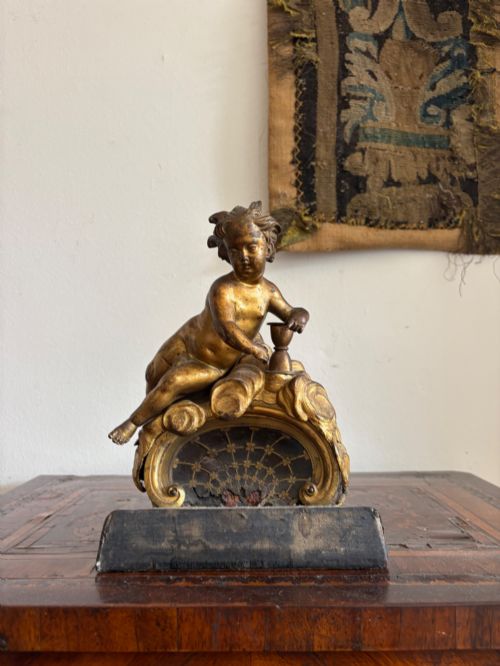
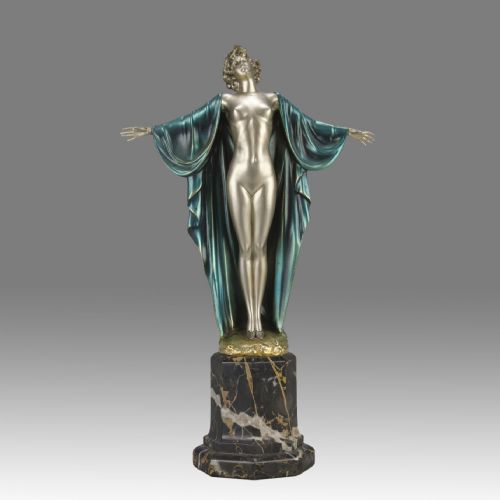
Metal sculptures rely heavily on the lost-wax casting technique for bronze and gilt bronze, often finished with cold-painted details or fine hand-chiselling. Ormolu mounts and figures demonstrate the skill of metalworkers in achieving both high-relief texture and smooth, polished surfaces.
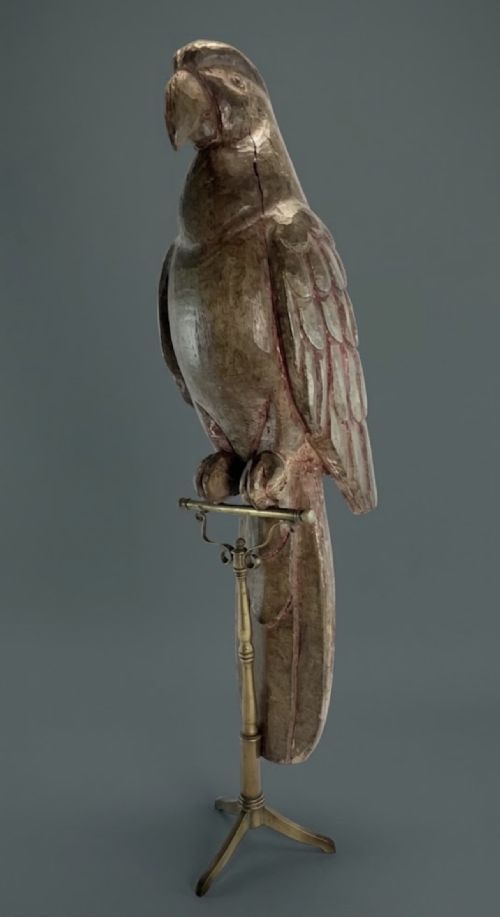
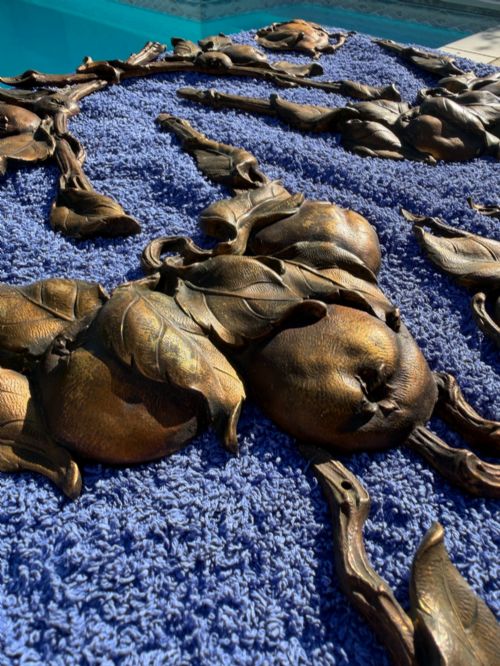
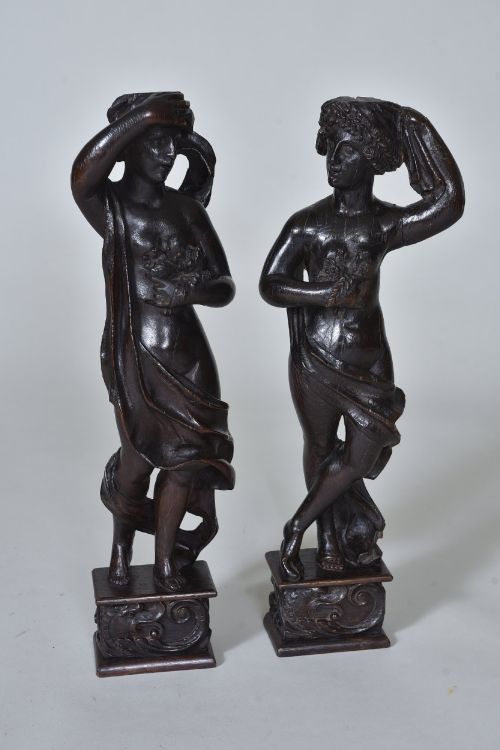
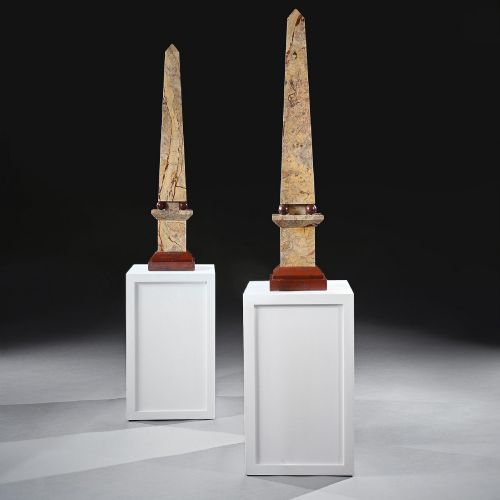
Carved pieces utilise dense timbers such as oak, walnut, and various hardwoods, shaped with gouges and chisels to create deep relief panels, figures, and architectural pedestals. Marble and alabaster were worked by hand to produce smooth surfaces on obelisks and figural sculptures.
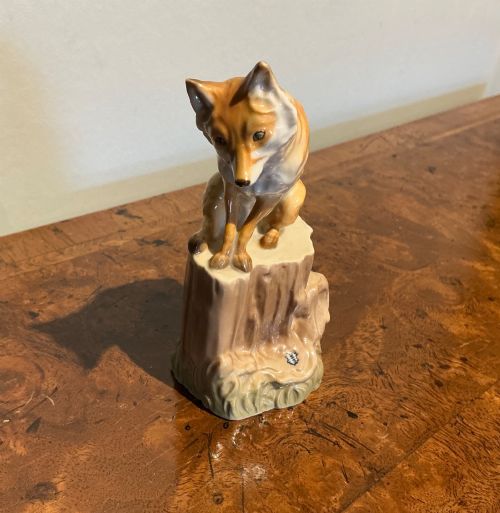
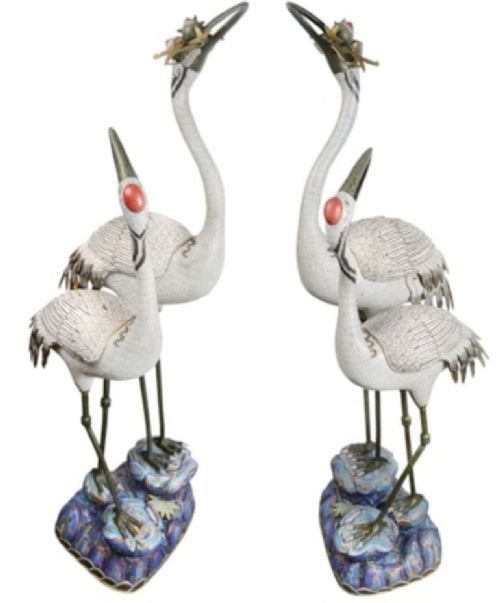
Ceramic figures combine moulded porcelain bodies with hand-painted enamel decoration and gilding, fired in kilns to fix the colours. Glass and plaster also occur as primary materials, shaped through moulding and casting.
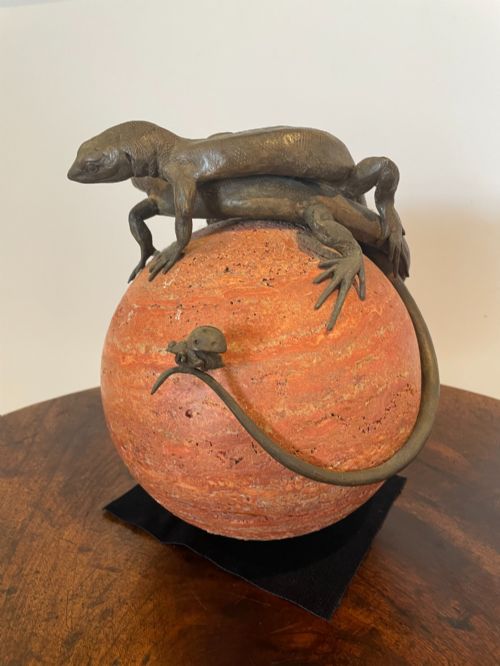
Among the menagerie of carved creatures sit wooden monkeys, bronze lizards, and painted horses that once stood proud in domestic interiors.
What varies in quality
Carved wooden and stone sculptures reveal quality through the confidence of the tool work and the anatomical accuracy of the form. Finer works display undercut details and balanced proportions, whereas lower-quality items appear stiff, flat, and hastily finished.
Porcelain and earthenware figures vary according to the precision of the moulding and the delicacy of the hand-painted enamel work. Crisp definition in the facial expressions and clean application of gold leaf distinguish the better examples from mass-produced wares.
Poix Blin·Ferdinand Preiss·Hans Müller·Rene Lalique·James Hadley·Antoine Louis Barye·Henri Godet·Valentino Besarel
The Antique Decorative Sculpture Glossary
- Animalier
- A nineteenth-century artistic movement and style focused on the realistic portrayal of animals, particularly in bronze. Antoine Louis Barye remains the most prominent sculptor associated with this genre.
- Gilt bronze
- Bronze metal that has been coated with a thin layer of gold leaf or mercury gilt, also known as ormolu. This technique protects the metal from oxidation while providing a bright golden finish.
- Solomonic
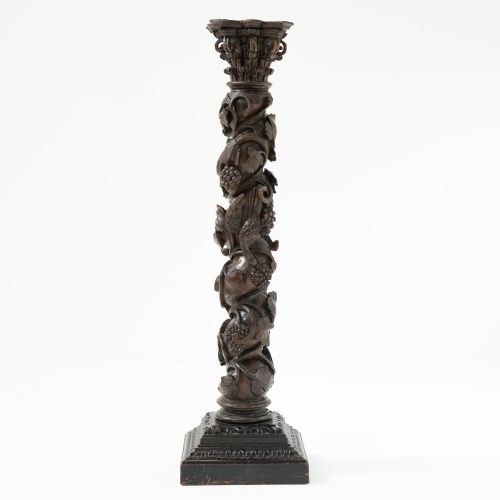
- A type of column or pedestal featuring a helical twist shaft resembling a spiral. These were frequently carved from oak or walnut during the seventeenth and eighteenth centuries.
- Putto
- A plump, often winged male child figure frequently depicted in Italian and French art from the Renaissance onwards. They appear commonly as wooden wall corbels, finials, and bronze ornaments.
- Cold-painted bronze
- A manufacturing method where bronze figures are painted with oil-based paints and left to dry without high-temperature firing. This finish requires careful preservation to prevent flaking.
Antique Decorative Sculpture: Frequently Asked Questions
What is an animalier bronze sculpture?
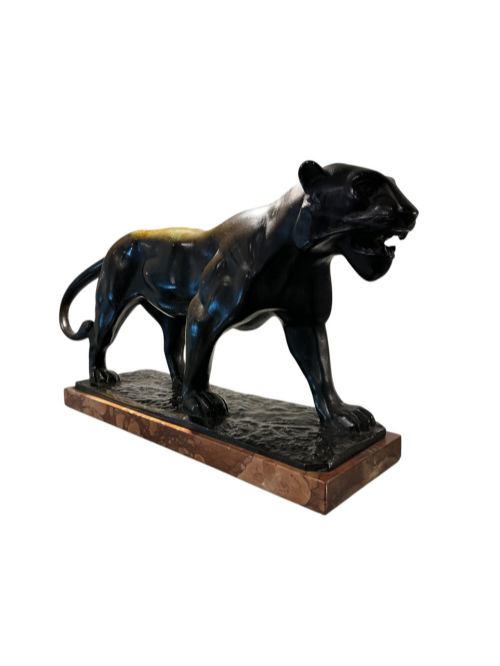
An animalier bronze is a nineteenth-century realistic portrayal of animals, capturing creatures in naturalistic poses or moments of motion. These sculptures were cast in bronze using traditional methods and often feature rich patination.
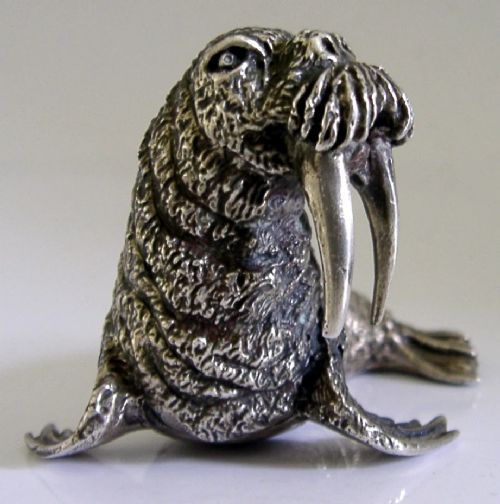
Collectors prize them for their anatomical precision and the lifelike capture of wild or domestic animals, ranging from panthers to walruses.
How do I care for antique carved wood?
Antique carved wood requires stable indoor humidity and protection from direct sunlight to prevent the timber from drying out and splitting. Dusting with a soft, dry cloth is usually sufficient for regular maintenance.
Avoid applying modern household polishes or silicone-based sprays, as these can build up and damage the historic patina of the wood over time.
What is the difference between bronze and gilt bronze?
Standard bronze is an alloy of copper and tin that develops a natural dark patina through age and exposure to the air. Gilt bronze, or ormolu, has a surface coating of gold applied via mercury amalgamation or gold leaf.
Gilt bronze retains a bright, reflective golden appearance, whereas standard bronze shows deep brown, green, or black tones.
Where were decorative sculptures placed in historic homes?
Decorative sculptures were positioned on mantelpieces, pedestals, console tables, and architectural brackets within formal rooms. Larger pieces like marble obelisks or carved figures often stood in hallways or libraries.
Smaller items such as cabinet bronzes and porcelain figurines were kept on desks or inside glass-fronted display cabinets.