


Decorative Terracotta Figure
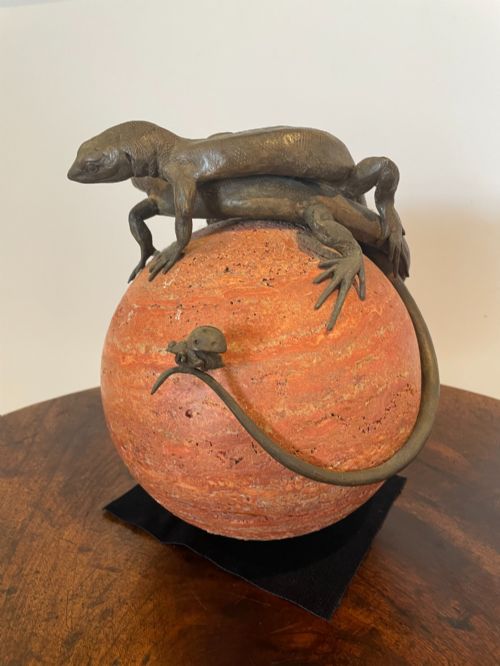
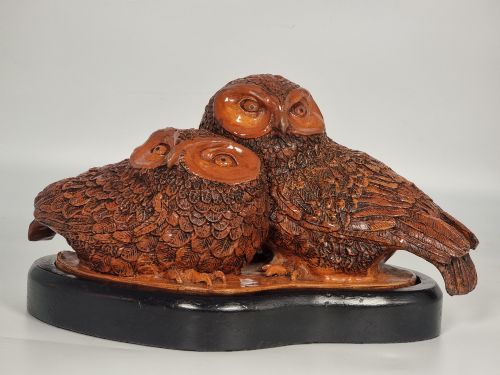
These decorative terracotta figure items range from classical Roman subjects to Art Deco dancers, bringing textured clay sculpture straight into your home.
Decorative Terracotta Figure
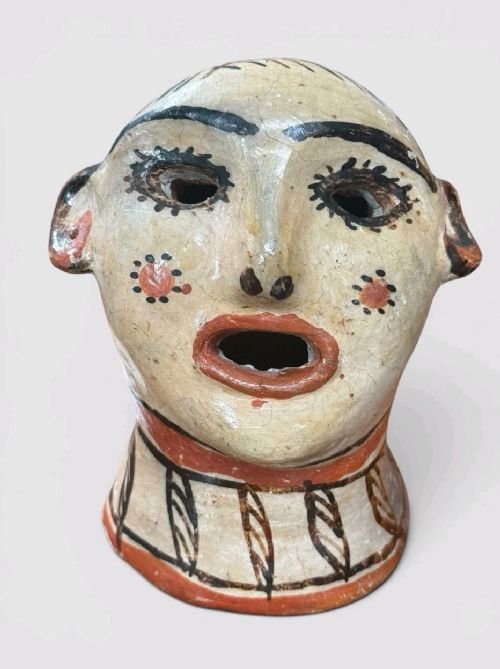
A decorative terracotta figure brings three-dimensional form into a room, spanning periods from the nineteenth century through to the mid twentieth century. When exploring this selection, a buyer encounters subjects ranging from mythological animals and classical Romans to Art Deco dancers and folk art heads.
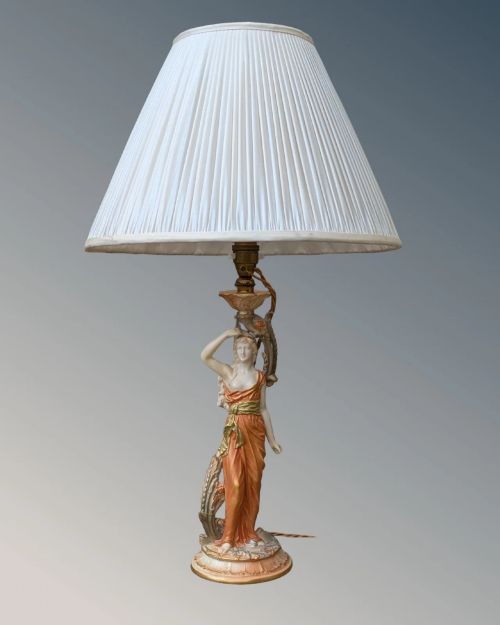
The materials vary across the entries beyond plain baked earth. Listings include earthenware, porcelain, and glazed ceramic, alongside pieces finished with enamel, paint, or slip. Forms shift from large standing statues and portrait busts to table lamps, planters, and vases with applied figures.
Origins stretch across Europe and beyond, including pieces made in Spain, France, Italy, and Asia, alongside Peruvian folk art and Cambodian priest sculptures. These works capture changing tastes from Art Nouveau curves to the cleaner geometries of Art Deco.
Materials and construction methods
Makers shaped these works from clay, terracotta, and earthenware, sometimes combining hand sculpting with moulding techniques. Artisans then finished the surfaces with glazes, paints, or slip decoration before firing the ceramic bodies in kilns.
Certain pieces incorporate applied elements, such as figures modelled separately and attached to vases or bases before firing. Bases of ebonised wood or structural metal mounts occasionally support the ceramic sculptures.
Materials appearing across the inventory include terracotta, earthenware, porcelain, glaze, and paint.
Assessing quality in terracotta figures
The application of glaze, paint, or slip marks another division in the range. Superior examples display controlled polychrome decoration or rich, even glazing that enhances the sculptural contours without obscuring the form.
Goldscheider·Royal Dux·Ernst Whaliss·Bohumil Rezl
The Decorative Terracotta Figure Glossary
- Terracotta
- A porous, fired clay body ranging in colour from pale buff to deep reddish-brown. It serves as the primary medium for unglazed or painted sculptural figures.
- Slip
- A liquid suspension of clay and water applied to pottery for decoration before firing. Artists use it to draw or paint linear patterns across the surface.
- Bust
- A sculpted representation of a person from the chest or shoulders up. These pieces focus attention on facial expression and hairstyle.
- Polychrome
- Decorated in multiple colours. This finish appears on pieces painted or glazed with various hues to imitate life.
- Earthenware
- Pottery fired at relatively low temperatures remaining porous unless glazed. It forms the structural base for many figural ceramics.
Decorative Terracotta Figure: Frequently Asked Questions
Are these figures suitable for outdoor display?
Most antique terracotta sculptures on this page suit indoor environments best. Frost and damp weather can cause historic porous clay to crack or flake over time.
Keep them away from direct moisture and extreme temperature changes to preserve the original surface and finish.
How can I tell an Art Nouveau figure from Art Deco?
Art Nouveau figures feature flowing, organic lines inspired by natural forms like plants and hair. The poses tend to be languid and graceful.
Art Deco figures lean towards geometric precision, stylised angles, and sharp linear movement reflecting modern industrial progress.
What is the difference between terracotta and earthenware?
Terracotta is a specific type of unglazed or glazed earthenware fired from iron-rich clay, giving it a characteristic reddish hue. Earthenware is the broader ceramic category.
All terracotta is earthenware, but not all earthenware has the reddish terracotta body.