
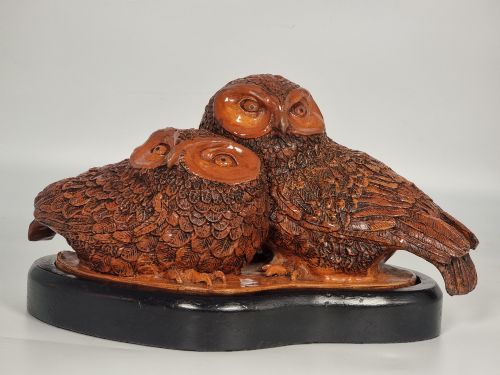
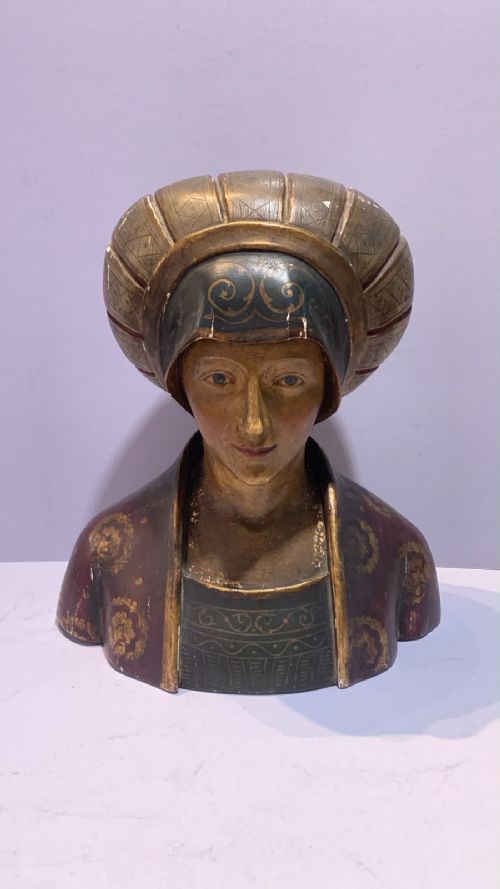


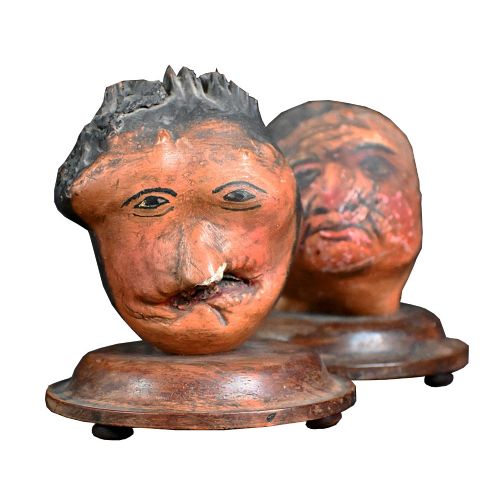


Carved Terracotta Statue
These carved terracotta statue pieces bring earthy, sculpted character to a room, ranging from grand classical figures to folk art heads.
Carved Terracotta Statue
A carved terracotta statue brings three-dimensional form and rich baked earth textures into a room. When you search for a carved terracotta statue, you encounter subjects ranging from neoclassical busts and temple guards to folk art heads and pair bookends.
The pieces on this page span the seventeenth century through to the early twentieth century. You will frequently find works from the nineteenth century, alongside older seventeenth-century figures and pieces from the nineteen-twenties and thirties.
Origins vary widely across these listings, taking in European Grand Tour pieces, Italian cherubs, Southeast Asian and Khmer sculptures, and Chinese temple dogs. Forms include tall figures, busts, bookends, and garden lanterns.
What varies in quality
The integrity of the material also dictates distinction, whether in the fine grain of the terracotta or the skilful application of gold leaf and glaze. Maker attribution and historical depth further elevate certain sculptures above standard decorative objects.
Materials across these listings include terracotta, earthenware, clay, stone, wood, gold leaf, pottery glaze, and ebonised wood.
Royal Dux
The Carved Terracotta Statue Glossary
- Terracotta
- A porous, fired clay body ranging in colour from pale buff to deep reddish-brown. This material forms the primary sculptural medium for the figures listed here.
- Grand Tour
- A cultural journey undertaken by nineteenth-century elites who acquired classical art and small-scale busts as souvenirs. These pieces often reflect Renaissance Revival and neoclassical tastes.
- Putti
- Depictions of chubby male infants, frequently winged, originating in classical art and common in Italian and Victorian decorative sculpture. They often appear supporting books or architectural elements.
- Foo Dog
- A traditional Chinese guardian lion statue placed outside temples and palaces to ward off evil spirits. These figures sit upon protective plinths.
- Plinth
- A heavy base or pedestal supporting a statue, bust, or urn. They are constructed from stoneware or wood to elevate the sculpture.
Carved Terracotta Statue: Frequently Asked Questions
How do I display a terracotta statue?
Place heavier figures on sturdy surfaces like wooden pedestals or secure mantelpieces where their weight is supported safely.
Keep them away from damp areas to protect the porous fired clay from moisture damage over time.
What is a Khmer terracotta figure?
These sculptures originate from Southeast Asia and typically depict priests, deities, or temple figures from historical periods.
They display distinct regional artistic traditions that differ markedly from European classical sculpture.
Are these figures solid clay?
Many larger sculptures and busts are hollow-formed or built around a supportive core to reduce weight and ensure even firing in the kiln.
Smaller items like bookends or figurines may be heavier relative to their size due to denser construction or attached bases.
How do I clean an antique statue?
Dust the surface gently with a soft, dry brush to remove settled particles without abrading the delicate fired clay or gold leaf.
Avoid using water or liquid cleaners, as porous earthenware and terracotta absorb moisture readily.