


Southeast Asian Sculpture
Southeast asian sculpture brings together centuries of bronze, wood, and stone figures from traditions spanning Thailand, Burma, Java, and Cambodia.
Southeast Asian Sculpture
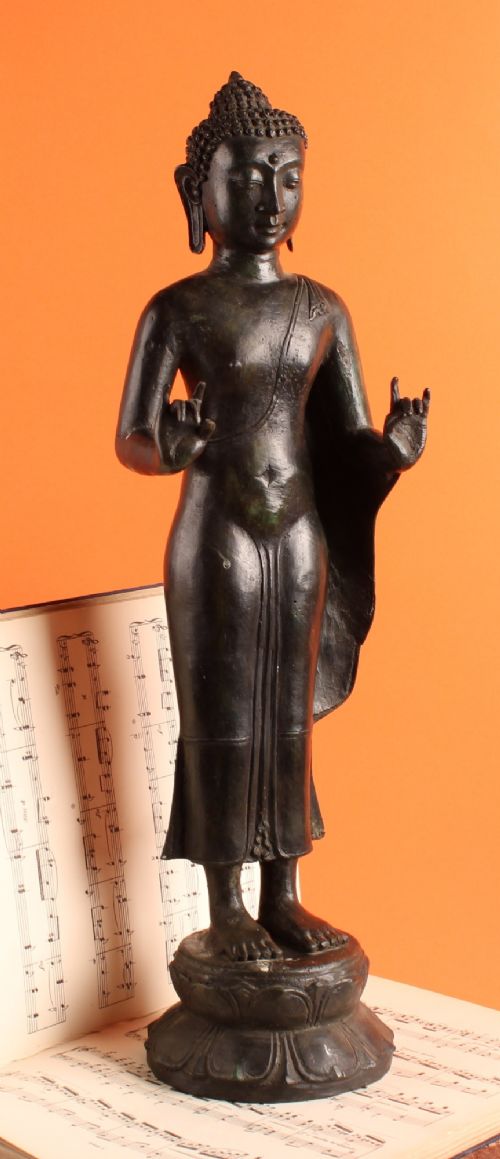
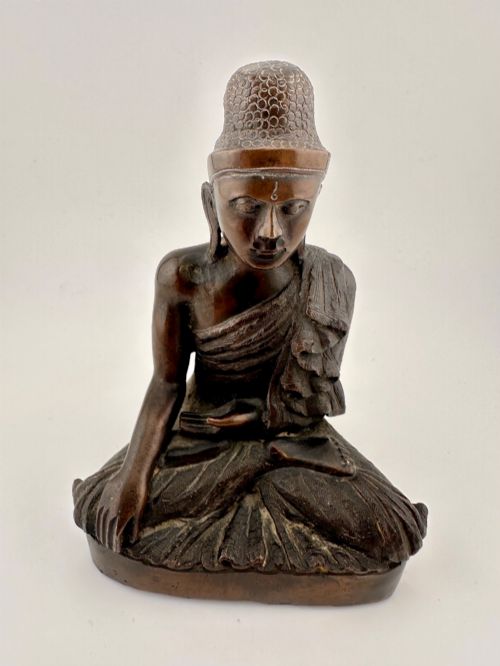
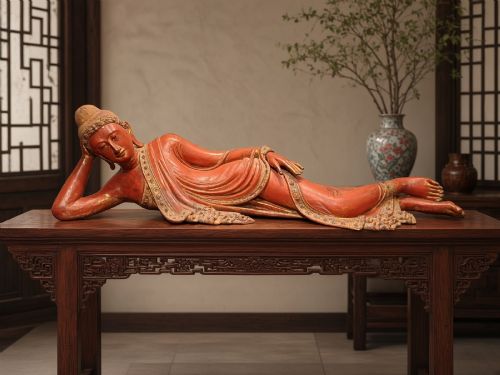
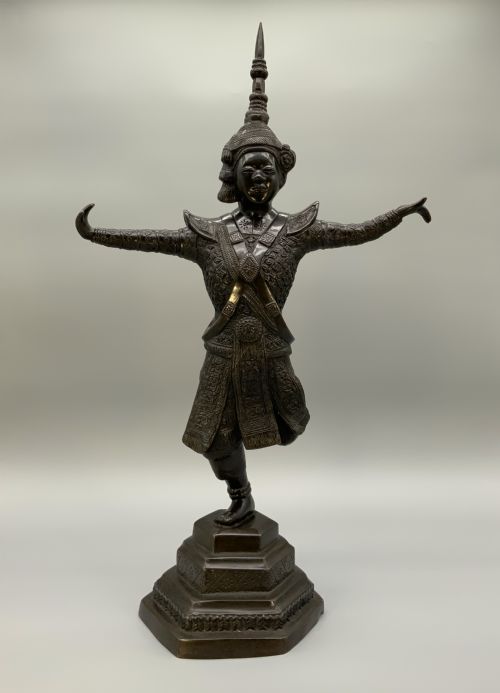
When you search for southeast asian sculpture, you encounter a diverse array of religious and secular figures shaped by distinct regional traditions. The selections on this page are dominated by bronze and wooden depictions of Buddha, alongside temple lions, court dancers, and mythical creatures.
Regional styles range from Ayutthaya and Rattanakosin works originating in Thailand to Burmese Mandalay pieces and Javanese classical figures. These objects bridge spiritual devotion and decorative arts, taking forms from monumental temple statues down to hand-carved wall reliefs and sword hilts.
How they were made
Metal sculptures rely on bronze and copper alloy casting, often enhanced with gold leaf gilding, silver, or glass inlay. Artisans achieved patination through chemical treatments or prolonged burial, leaving surfaces with distinctive tactile qualities.
Wooden and stone examples demonstrate meticulous hand carving in teak, hardwood, and marble, frequently finished with polychrome paint or lacquer. Terracotta figures utilise moulded clay fired to produce structured three-dimensional forms.
Southeast Asian Sculpture Retail Price Guide 2026
Typical asking prices for southeast asian sculpture among the pieces listed under this phrase on Sellingantiques today, from the lower quarter to the upper quarter. They describe what is for sale here now, not the wider market.
Materials documented across these listings include bronze, teak, marble, terracotta, gold leaf, and glass inlay.
What varies in quality
Execution of detail separates routine casting and carving from exceptional works, visible in the precision of facial expressions, drapery folds, and ornamentation. Masterpieces display balanced proportions and crisp rendering of fingers, crowns, and mudras.
The preservation of original surface treatments, such as genuine gilding, old patination, and traces of polychrome pigment, heavily influences the integrity of each piece. Age and origin dictate the depth of historical character embedded within the material.
The Southeast Asian Sculpture Glossary
- Mudra
- A symbolic or ritual gesture in Hinduism and Buddhism performed with the hands and fingers. These positions convey specific teachings or states of mind.
- Patination
- A surface coloration resulting from age, wear, or chemical treatment applied to metal or wood. This layer provides clues to an object's history and origin.
- Bodhisattva
- An enlightened being who delays nirvana to help others achieve salvation. They appear in Mahayana Buddhist art adorned with royal jewellery and crowns.
- Polychrome
- The practice of decorating architectural elements or sculpture in a variety of colours. Artisans applied pigments over wood, stone, or plaster surfaces.
Southeast Asian Sculpture: Frequently Asked Questions
What materials are used in southeast asian sculpture?
These sculptures employ a variety of materials including cast bronze, copper alloy, hand-carved hardwoods, teak, and marble. Many pieces incorporate surface embellishments such as gold leaf, lacquer, glass inlay, and polychrome paint.
Metal works rely on traditional foundry methods while organic materials demonstrate intricate manual carving by regional artisans.
What subjects are most common?
Religious figures dominate the category, particularly depictions of the Buddha in various mudras, alongside bodhisattvas and Hindu deities like Shiva and Vishnu. Mythical animals and temple guardians also appear frequently.
Secular subjects include court dancers, temple carvings of monkeys and elephants, and functional items like carved sword hilts.
How should I care for these materials?
Bronze and copper alloy pieces require minimal intervention, benefiting from gentle dusting and stable indoor humidity. Wooden, lacquered, and gilded surfaces need protection from direct sunlight and moisture fluctuations.
Avoid using harsh cleaning products or polishes that might strip away original patination, gold leaf, or aged pigments.