



Buddhist Altar Figure
A buddhist altar figure brings quiet devotion into a room, crafted in bronze, wood, or gilt wood to mark a sacred space.
Buddhist Altar Figure
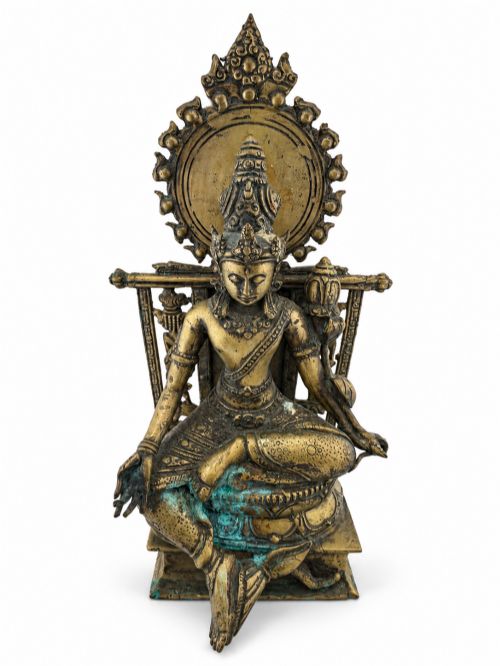
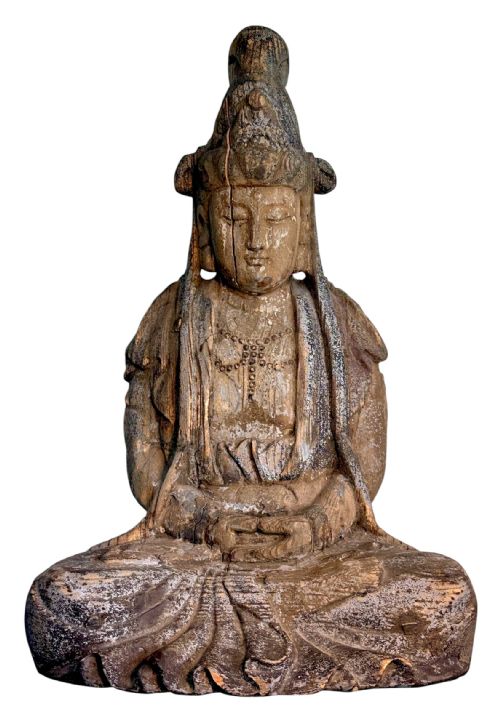
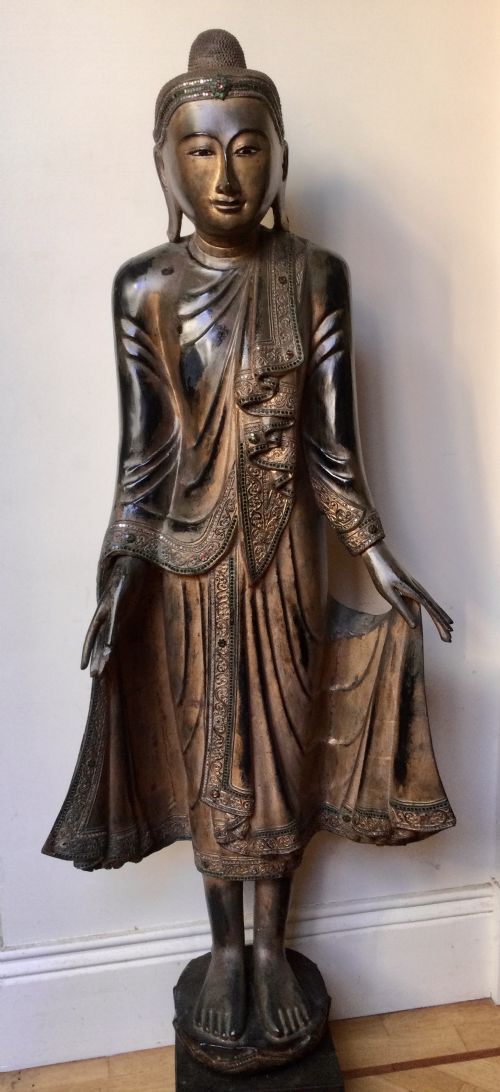
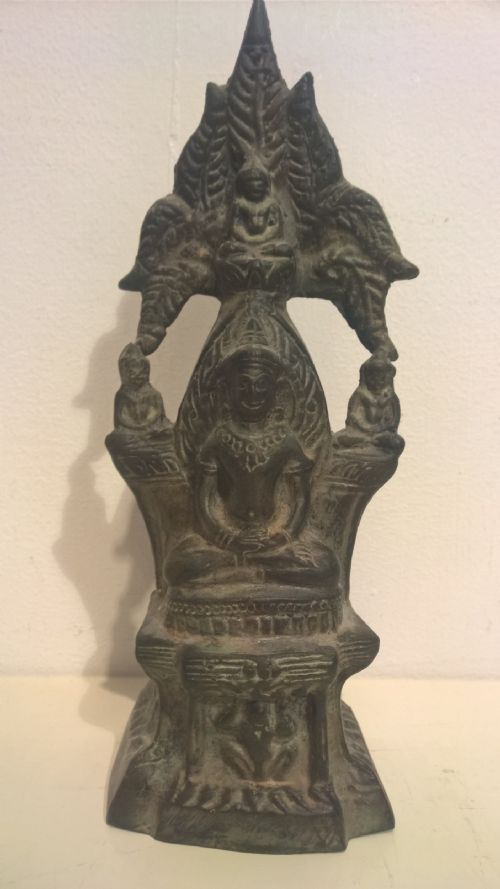
A buddhist altar figure takes the form of a deity or Buddha, created for personal shrines and devotional spaces. When you search for a buddhist altar figure, you encounter depictions ranging from the Green Tara and Garuda to Avalokiteshvara and seated Buddhas. These pieces span traditions from Tibetan and Sino-Tibetan to Southeast Asian and Qing Dynasty aesthetics.
The versions most commonly met on this page include cast bronze deities and carved wooden figures. Many originate from the eighteenth and nineteenth centuries, alongside Edwardian examples. They take the shape of statues and sculptures intended for tabletop or altar placement.
How they were made
Makers shaped these pieces primarily through casting and carving. Bronze and copper alloy figures utilise metal casting techniques, often finished with polishing or surface gilding. Gold leaf frequently enhances cast metal or wood surfaces.
Wooden examples rely on hand carving, utilising solid timber that may receive layers of lacquer or gilt wood finishes. Glass inlay appears in select pieces to accent the ornamentation and dress of the deity.
Buddhist Altar Figure Retail Price Guide 2026
Typical asking prices for buddhist altar figure among the pieces listed under this phrase on Sellingantiques today, from the lower quarter to the upper quarter. They describe what is for sale here now, not the wider market.
Listings feature bronze, wood, lacquer, copper alloy, glass inlay, gold leaf, and gilded wood.
What varies in quality
The integrity of the material, whether solid bronze or carved timber, determines the tactile presence of the piece. Patination built up through age and handling distinguishes superior sculptural depth.
The Buddhist Altar Figure Glossary
- Bronze
- A copper and tin alloy prized for durability and its ability to hold fine sculptural detail in cast figures.
- Gilt wood
- Timber treated with a thin layer of gold leaf or gold paint to impart a luminous surface.
- Green Tara
- A female bodhisattva in Tibetan Buddhism associated with protection and virtuous action.
- Avalokiteshvara
- A bodhisattva who embodies the compassion of all Buddhas, frequently depicted with multiple arms.
- Garuda
- A mythical bird-like creature in Buddhist and Hindu mythology serving as a divine mount.
Buddhist Altar Figure: Frequently Asked Questions
Where were these figures placed?
These figures stood upon domestic shrines, temple altars, and private devotional spaces. They anchored daily meditation and prayer.
Owners positioned them elevated above the floor to maintain respect for the sacred deity represented.
How do I care for a wooden figure?
Keep wooden and gilt figures away from direct sunlight and sudden humidity changes. Dust them gently with a soft, dry brush.
Avoid liquid cleaners that can damage delicate lacquer or gold leaf surfaces.
What materials are most common?
Bronze and carved wood form the majority of the pieces on this page. Copper alloy and stone also appear occasionally.
Surfaces are frequently enhanced with gold leaf, lacquer, or glass inlay.
How can I tell the period?
Dating relies on stylistic markers of regional traditions such as Tibetan, Sino-Tibetan, or Southeast Asian art. Material wear, patination, and tool marks offer further clues.
19th century and 18th century pieces exhibit distinct casting and carving characteristics compared to later works.