


Antique Bronze Icon
An antique bronze icon is a devotional sculpture or panel cast in metal, chosen for its spiritual depth and enduring material.
Antique Bronze Icon
These devotional works span from pre-sixteenth century examples to the early twentieth century, encompassing Buddhist, Hindu, and Christian subjects. When searching for an antique bronze icon, collectors encounter diverse regional traditions including Tibetan, Southeast Asian, Russian Orthodox, and Indian styles.
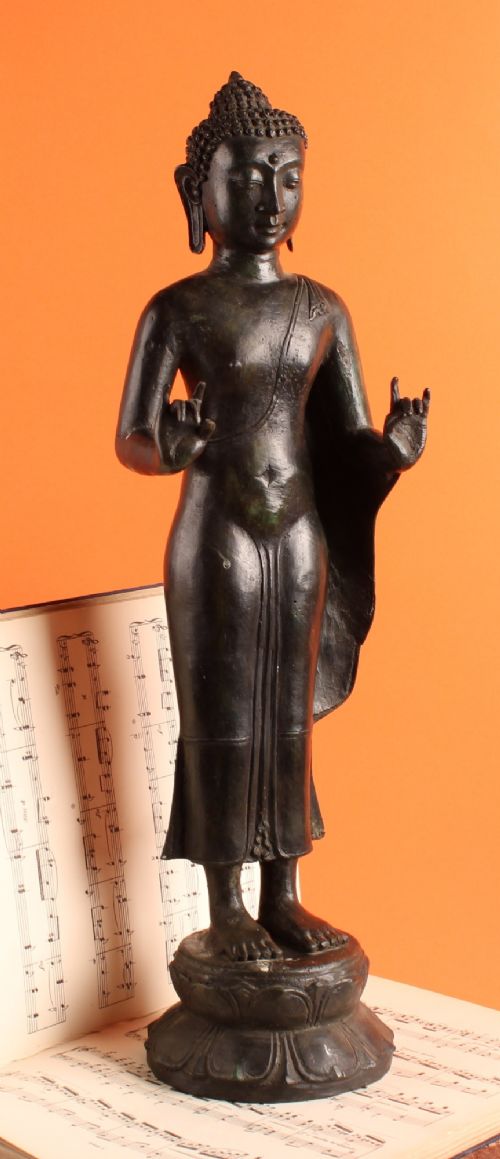
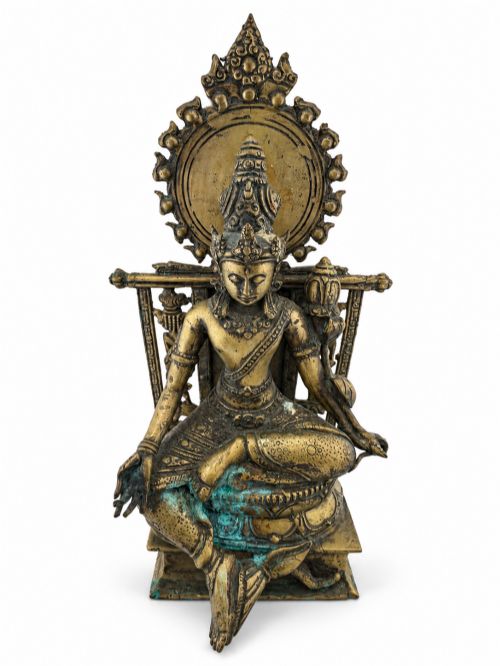
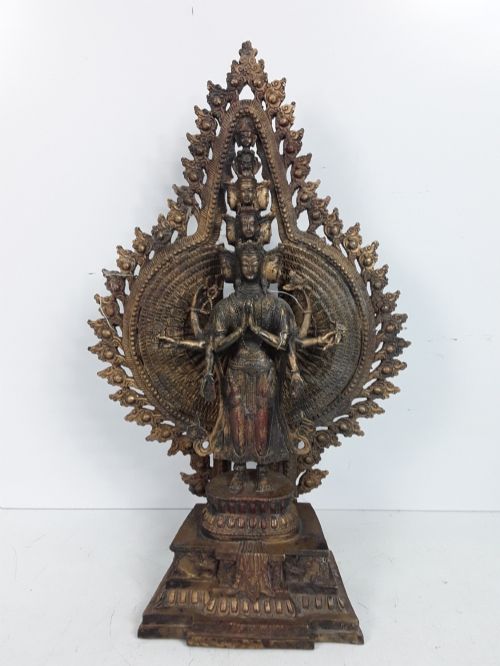
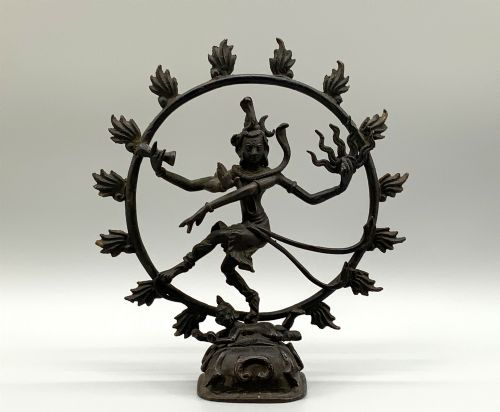
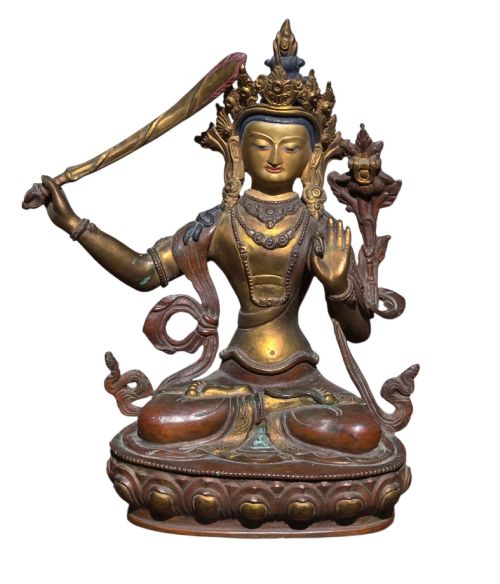
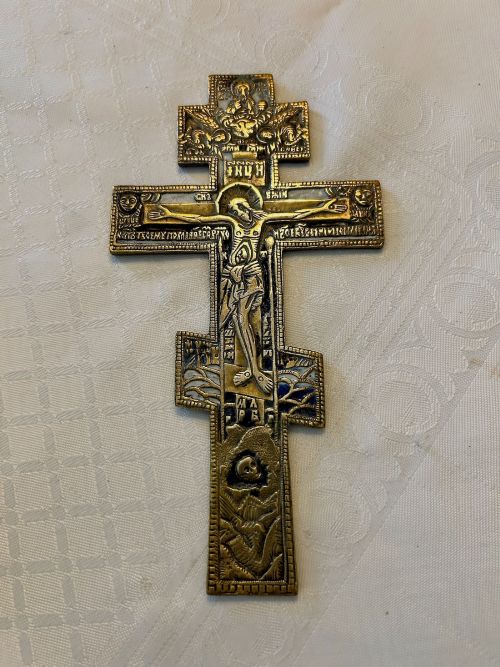
The most common forms on this page include standing and seated Buddha figures, deities such as Tara, Avalokiteshvara, and Shiva, alongside altar crosses, folding triptychs, and plaques. Many of these figures originate from temples, private shrines, and household altars.
Regional aesthetics dictate the posture, garments, and hand gestures, known as mudras, which identify each specific deity. A buyer navigates figures cast in solid bronze, copper alloy, and brass, often enriched with gilt surfaces, silver inlays, or coloured enamel.
Materials and casting methods
The vast majority of these sculptures rely on the lost-wax casting technique, allowing artisans to capture intricate details in molten bronze, copper alloy, or brass. This method produces both solid figures and hollow-cast statues with varying wall thicknesses.
Surface treatments define many pieces, ranging from applied gilding and fire-gilt bronze to inlaid silver and copper details. Enamel work frequently appears on Russian Orthodox crosses and triptychs, adding vibrant blue and other pigments to the metal substrate.
Antique Bronze Icon Retail Price Guide 2026
Typical asking prices for bronze icon among the pieces listed under this phrase on Sellingantiques today, from the lower quarter to the upper quarter. They describe what is for sale here now, not the wider market.
Even metal deities require travel arrangements, as evidenced by folding triptychs designed to accompany worshippers on the road.
Assessing craftsmanship and finish
The richness of the patination and the preservation of original applied elements, such as gilding or cold-painted pigments, separate exceptional pieces from heavily worn alternatives. The balance of the posture and the proportional harmony of the deity reveal the skill of the original workshop.
The Antique Bronze Icon Glossary
- Mudra
- A symbolic hand gesture used in Buddhist and Hindu iconography. These positions convey specific teachings, protection, or fearlessness.
- Triptych
- A three-panel artwork, often hinged for travel or altar use. Russian examples frequently combine cast bronze with enamel details.
- Gilt-bronze
- Bronze metal coated with a thin layer of gold. This finish enhances sacred figures by imparting a radiant, luminous surface.
- Copper alloy
- A broad category of metals containing copper, including bronze and brass. These mixtures were favoured for their durability and casting properties.
Antique Bronze Icon: Frequently Asked Questions
How do I care for a bronze icon?
Keep the metal away from excessive moisture and direct sunlight to protect any original gilding or enamel work. Dust gently with a soft, dry brush without applying modern polishes or cleaning agents.
Allow a natural patina to remain on the surface, as vigorous cleaning strips away historical evidence and alters the intended appearance of the metal.
Were these icons used in homes?
Many smaller pieces, including folding travel triptychs and domestic altar statues, served personal devotion in households. Others originated from larger temple complexes before entering collections.
Portable domestic icons allowed practitioners to maintain daily rituals while travelling or within private family shrines.
How can I tell regions apart?
Regional styles reveal themselves through distinct facial structures, headwear, and garments. Tibetan and Sino-Tibetan pieces often feature ornate crowns and multiple limbs, while Southeast Asian Buddhas display specific regional mudras and ushnishas.
Russian Orthodox items utilise specific cross geometries, Cyrillic inscriptions, and blue enamel panels that immediately separate them from Asian traditions.
What is a copper alloy?
Copper alloy refers to any metal mixture where copper is the principal component. Bronze and brass both fall under this broad classification used by makers across centuries.
Testing or visual inspection often reveals varying proportions of copper, zinc, and tin depending on the workshop and regional resources available at the time of casting.