
Antique Asian Sculpture
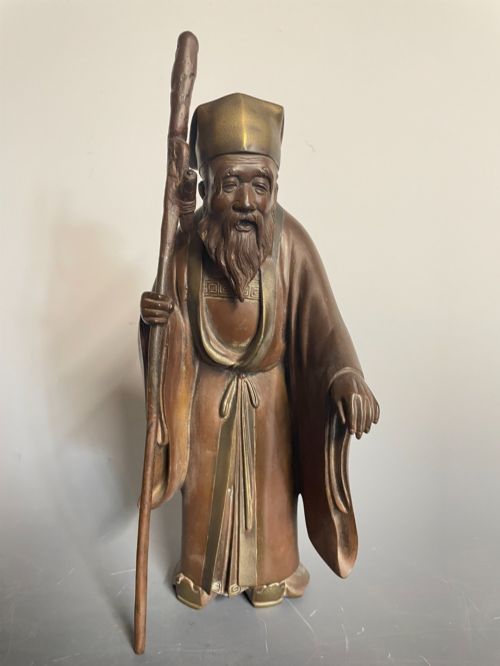
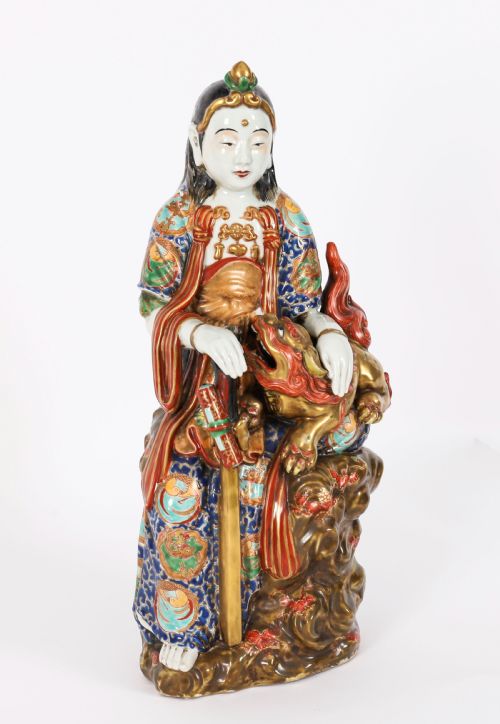
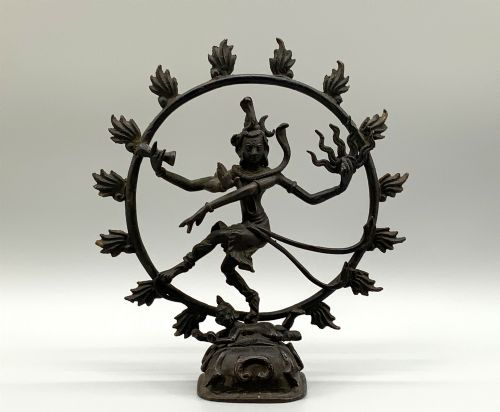
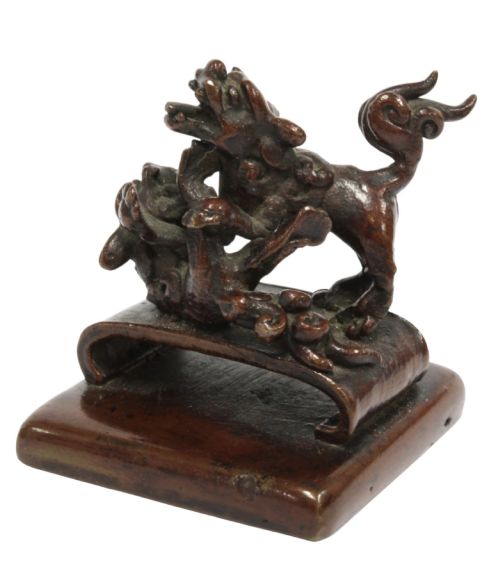
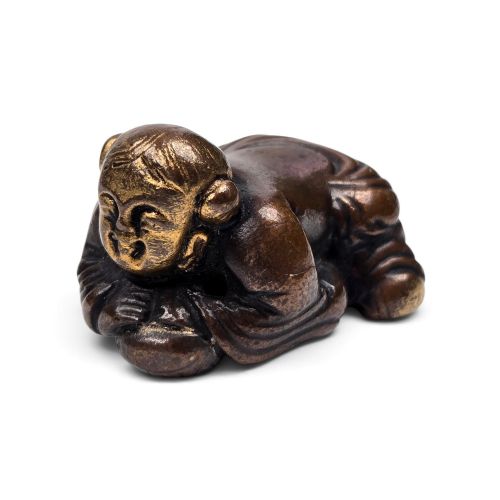
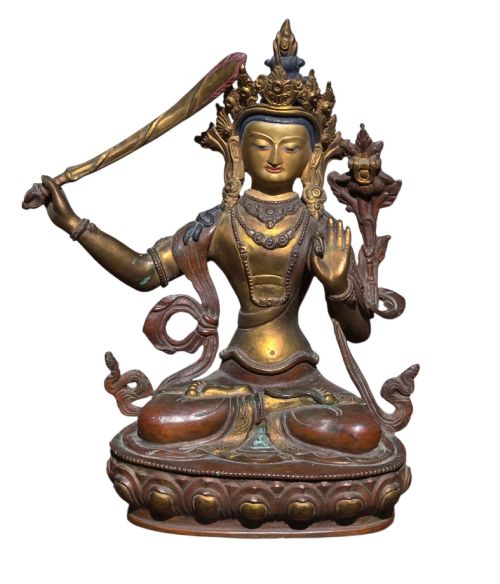
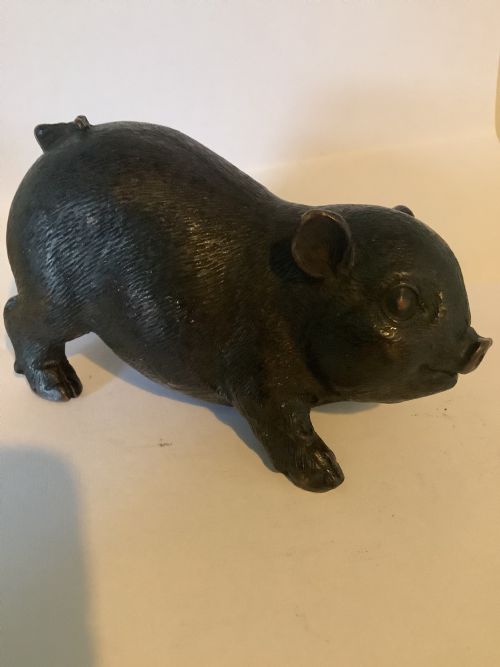
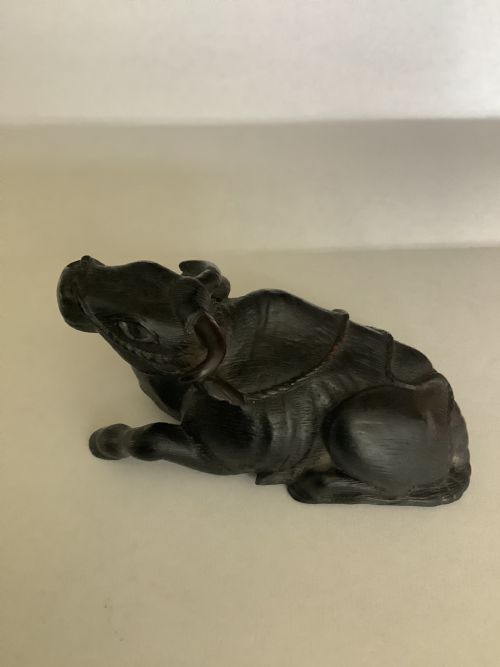
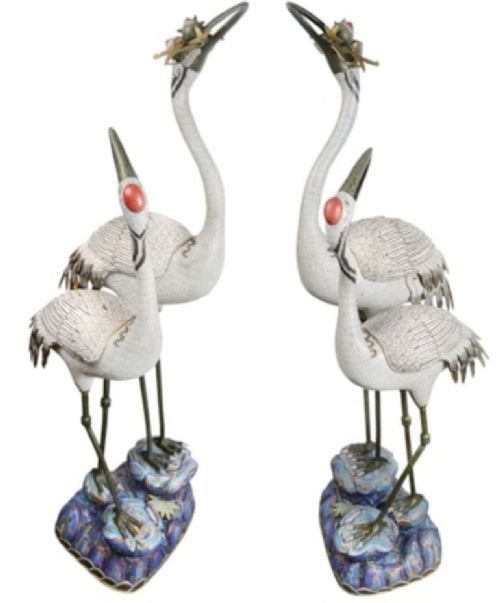
Antique asian sculpture brings tangible history indoors, offering figurative bronze and carved hardwood pieces that anchor a room.
Identifying antique asian sculpture
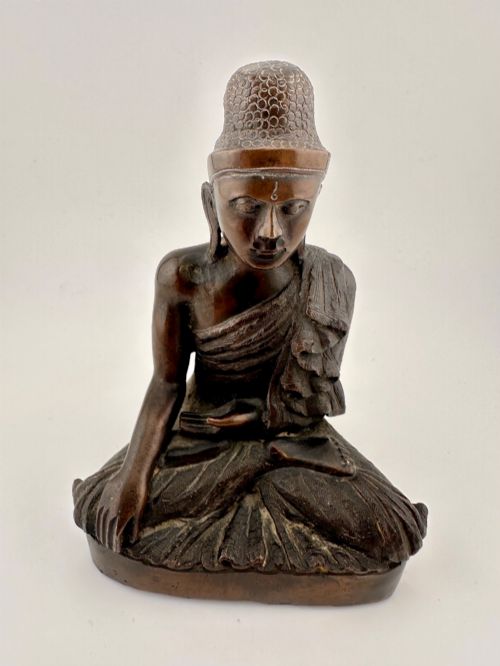
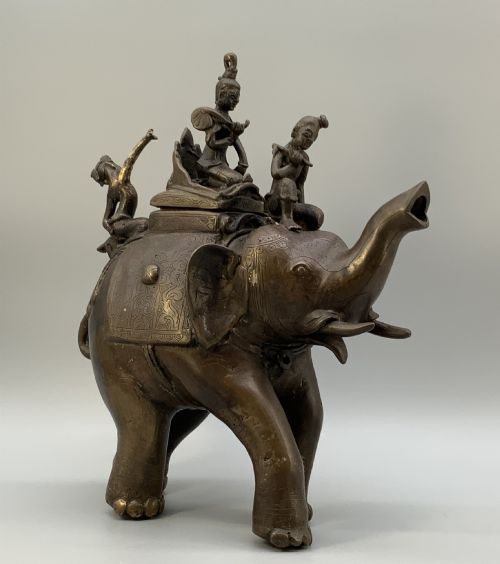
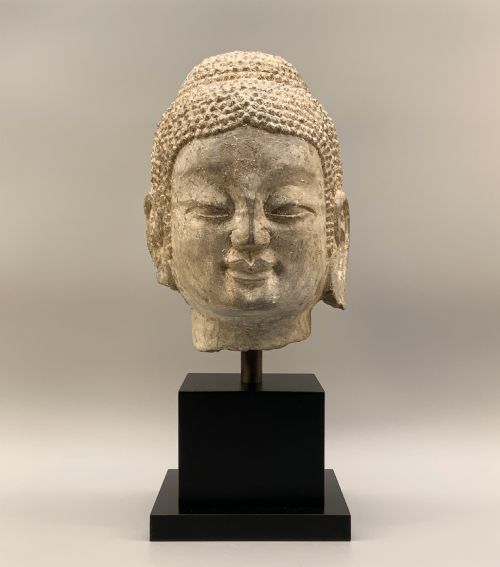
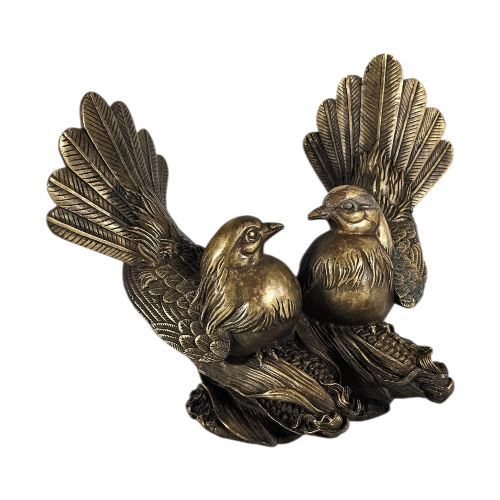
When you search for antique asian sculpture, you encounter figural works spanning the eighteenth and nineteenth centuries. These pieces encompass carved hardwood figures and cast bronze representations.
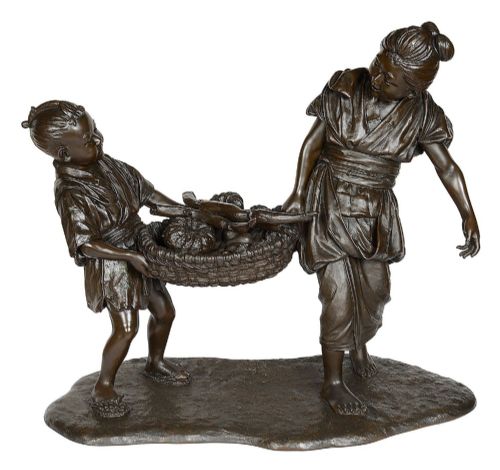
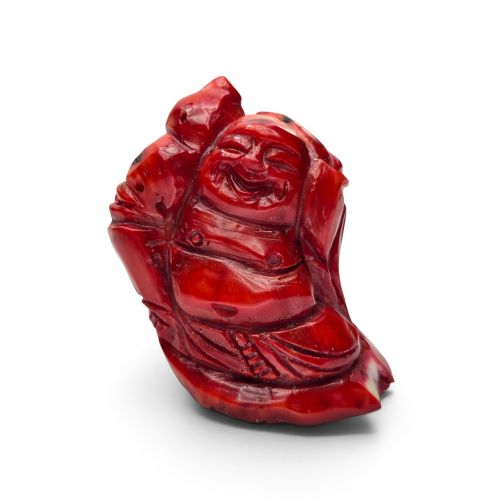
The selections available here lean heavily toward religious figures and cultural depictions. You meet seated Buddhas alongside fishermen and okimono figures.
Geographic origins recorded in these pieces stretch from China and Japan to Burma and broader Southeast Asia. Each item reflects the distinct artistic traditions of its specific region and period.
Materials and construction
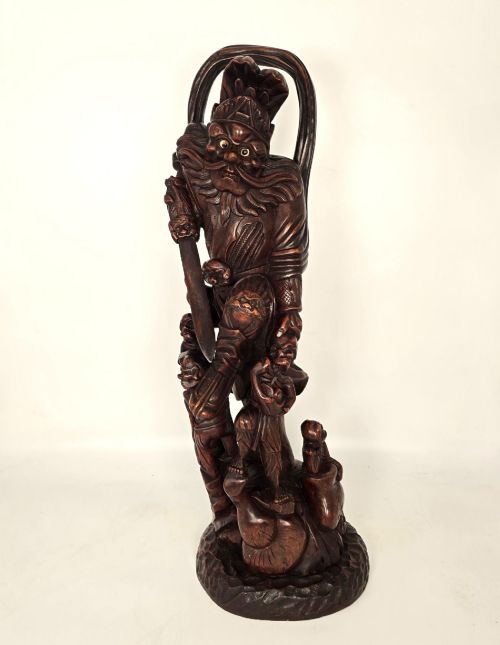
Hardwood serves as the medium for intricate figurative carving. Artisans shaped these timber pieces by hand to capture detailed clothing folds and physical expressions.
Retail Price Guide 2026
Typical UK retail prices for asian sculpture, calculated from the Sellingantiques database of over a million retail prices indexed since 2003. This retail price guide relies exclusively on Sellingantiques data; no external sources or auction records are used, so the figures do not describe the wider market.
Assessing quality
Proportion and stance dictate the visual success of figurative pieces. Master artisans achieved a natural balance in weight and posture that lesser workshops missed.
The Antique Asian Sculpture Glossary
- Okimono
- A Japanese decorative sculpture designed for display on a household shelf or tokonoma. These figures typically depict everyday people, animals, or mythical subjects in meticulous detail.
- Patinated bronze
- A metal alloy treated with chemical solutions or heat to alter its surface colour. This process creates protective layers and rich tonal variations across the sculpture.
- Hardwood
- Slow-growing timber prized for its dense grain and structural stability. Sculptors utilise these woods to create detailed figures that resist warping over centuries.
- Qing Dynasty
- The final imperial dynasty of China, lasting from the mid-seventeenth century until the early twentieth century. Objects from this period often display sophisticated carving techniques.
Frequently Asked Questions
How do I care for bronze sculptures?
Keep bronze figures away from excessive moisture and direct sunlight. Dust them gently with a soft dry cloth.
Avoid using liquid cleaners or metal polishes that strip the natural patina. Preserving the surface finish maintains the historical integrity of the piece.
Where were these sculptures displayed?
Religious figures typically occupied altars or private shrines within temples and domestic spaces. They served as focal points for contemplation and worship.
Secular figures like fishermen and okimono pieces stood in living areas as decorative art. Households placed them on flat surfaces to enrich the interior atmosphere.
How can I identify hardwood carvings?
Hardwood carvings feel noticeably heavy for their physical size. The timber grain appears tight and polished rather than open or porous.
Over decades of handling, the wood develops a deep natural sheen. This lustre distinguishes genuine antique timber from modern reproductions.