
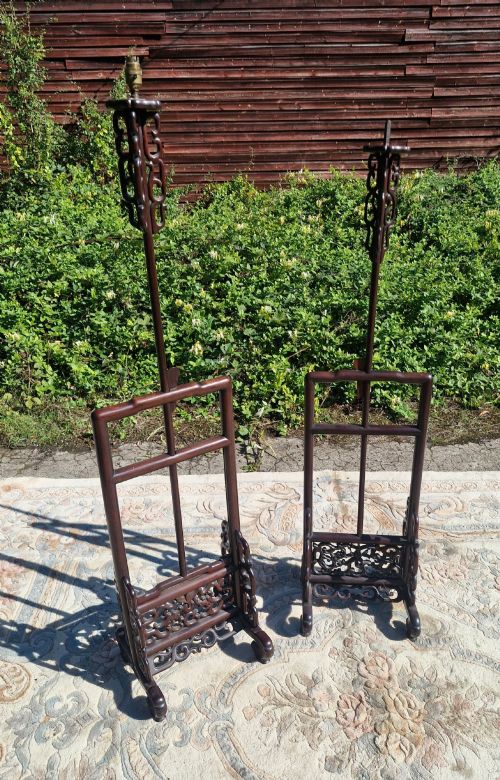
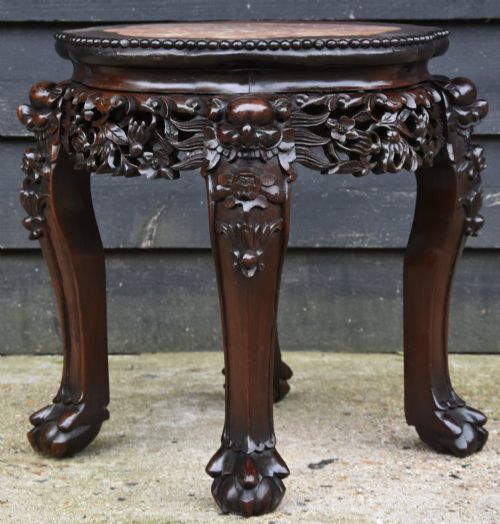
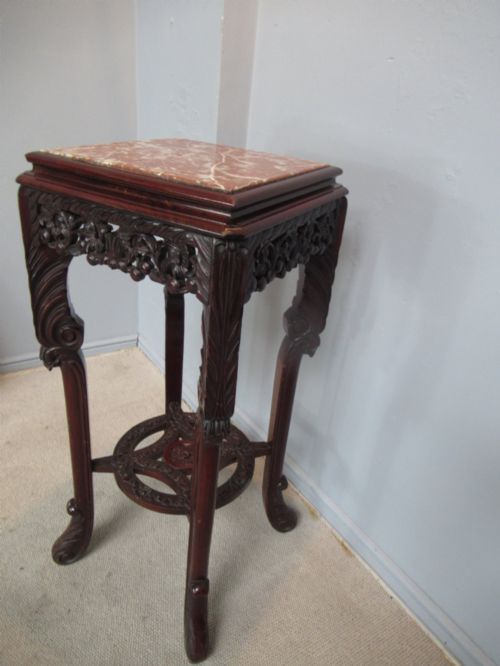
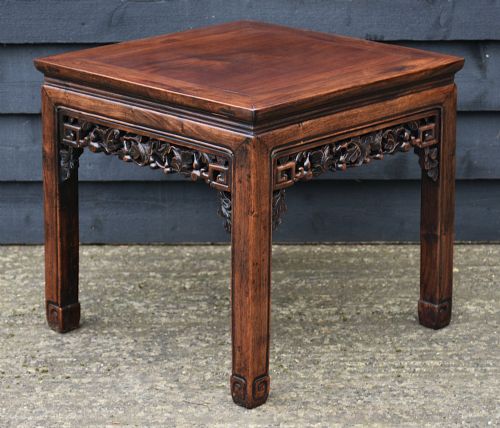
Chinese Wood Carving
A chinese wood carving brings rich texture and centuries of sculptural skill directly into a room.
What these pieces are
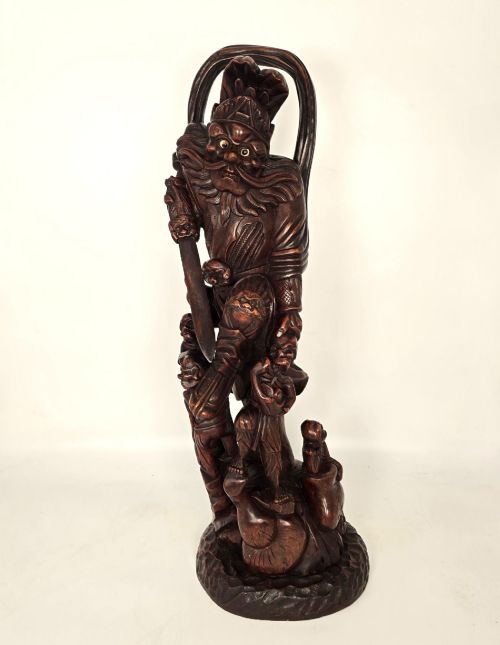
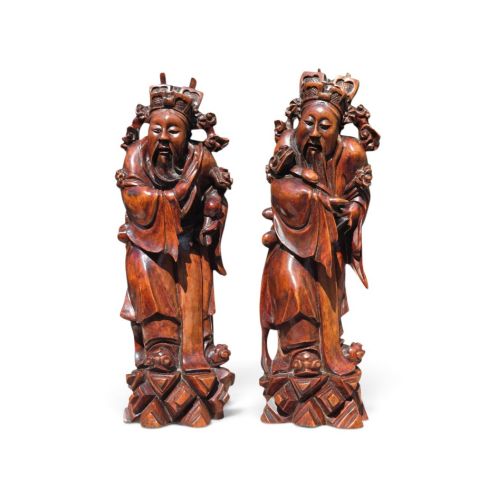
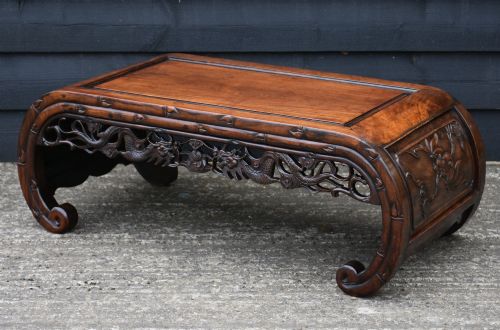
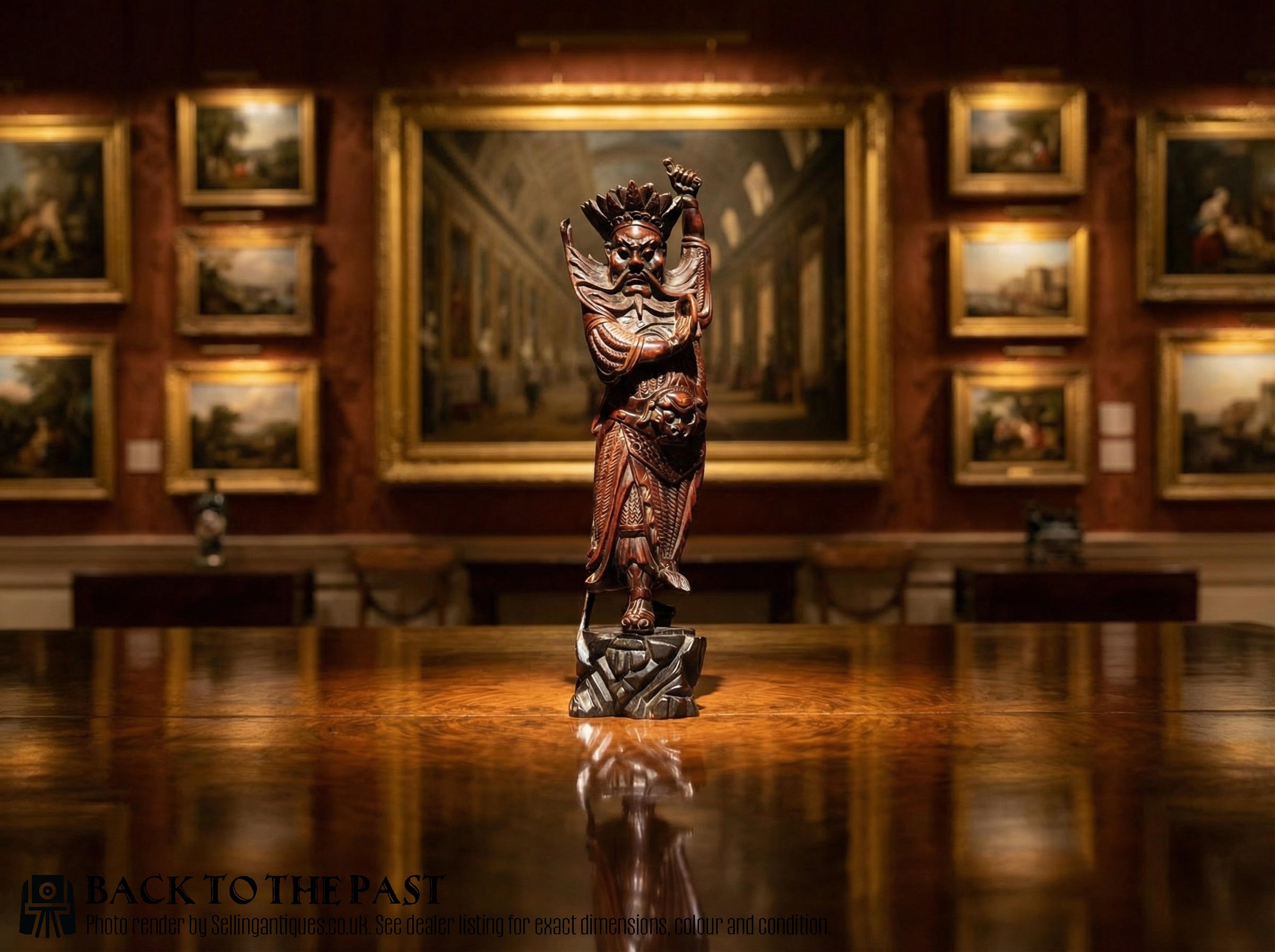
A chinese wood carving encompasses figures, temple guards, temple dogs, and figural groups shaped from dense timbers. These pieces emerge predominantly from the eighteenth century and the late nineteenth century, reflecting Qing Dynasty aesthetics and traditional Chinese folk art.
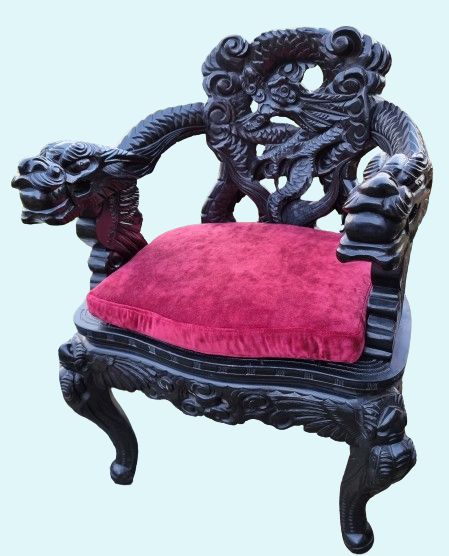
The objects span from large temple figures and dragon depictions to miniature giltwood figure groups and boxwood praying hands. Fishermen with traps and boys upon oxen frequently appear, capturing traditional rural and spiritual subjects.
Most examples found here utilise hardwood, rootwood, boxwood, and iron wood, often enriched with giltwood, lacquer, or polychrome pigment. The forms range from functional small treen items to substantial sculptural works created for display.
How they were made
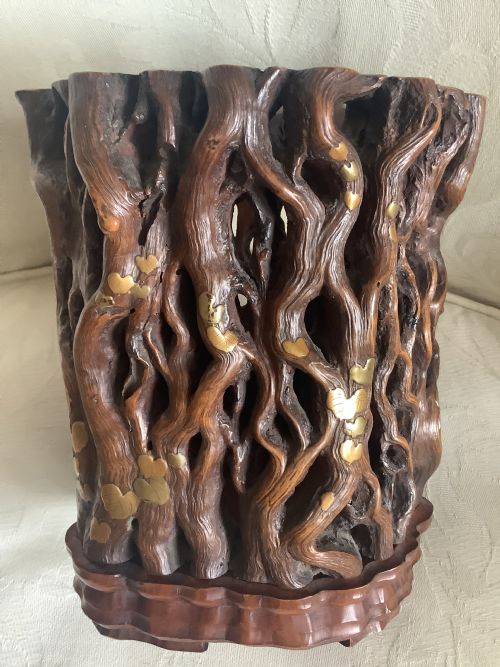
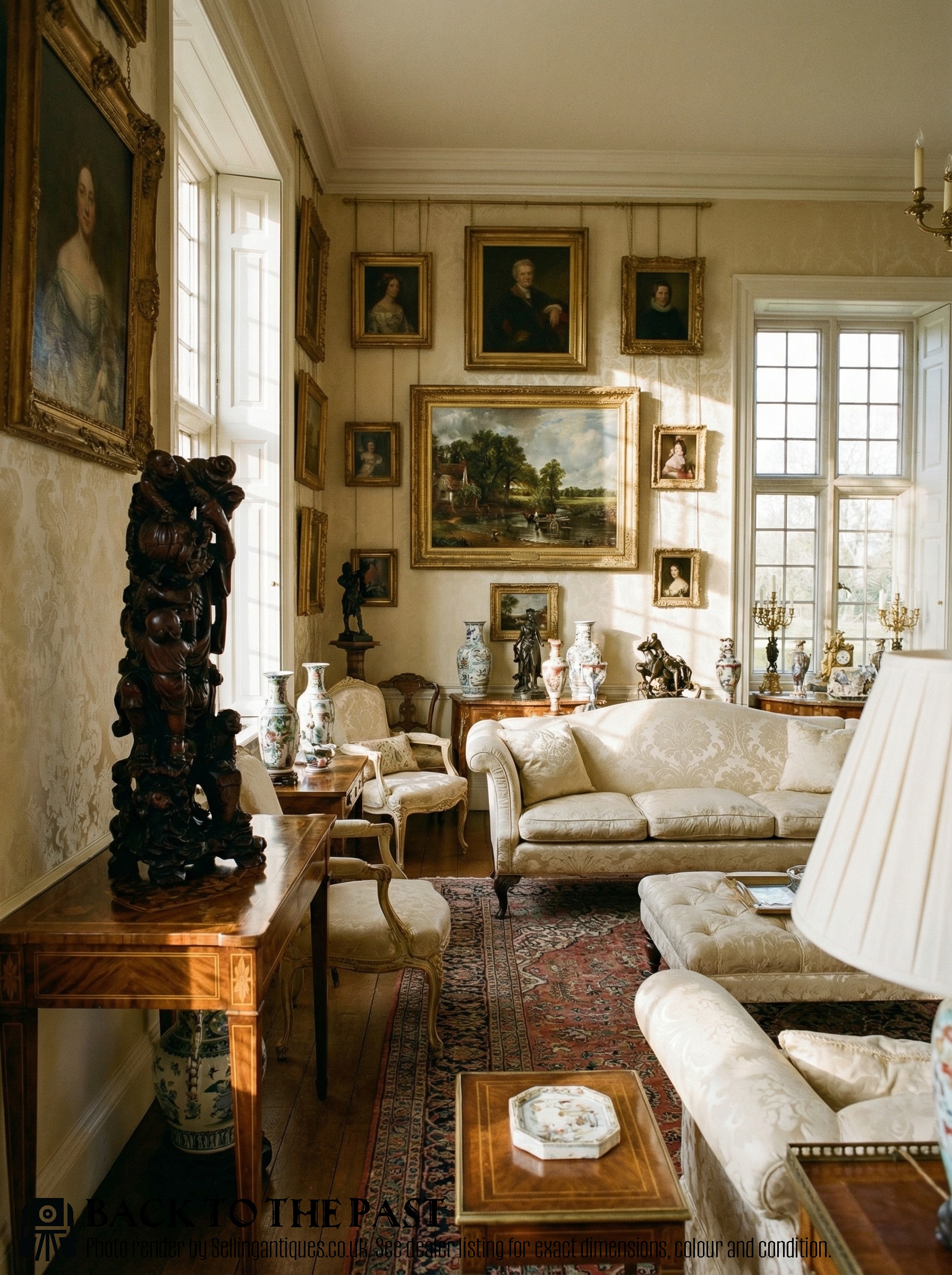
Craftsmen carved dense timbers such as hardwood, iron wood, and boxwood using hand chisels and gouges to reveal intricate details. Rootwood carvings utilised the natural contours of the timber growth to form figures of animals and humans.
Retail Price Guide 2026
Typical UK retail prices for chinese wood carving, calculated from the Sellingantiques database of over a million retail prices indexed since 2003. This retail price guide relies exclusively on Sellingantiques data; no external sources or auction records are used, so the figures do not describe the wider market.
The listings include pieces from the eighteenth century, eighteen ninety, and nineteen hundred.
What varies in quality
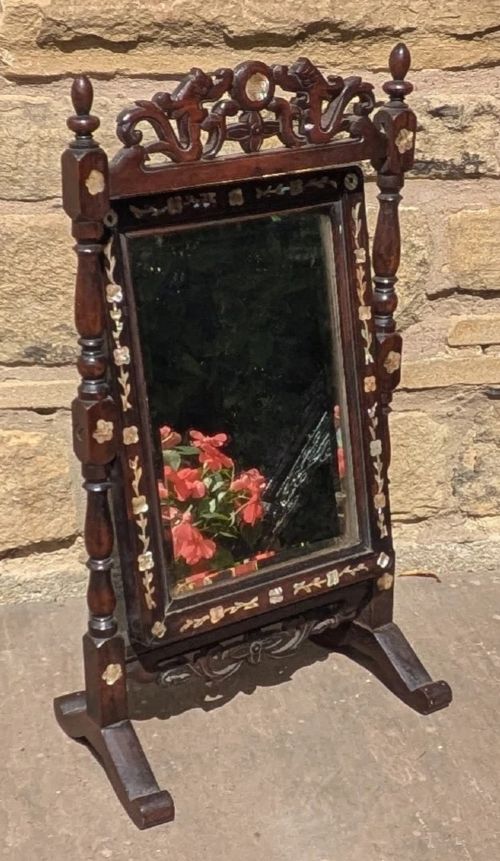
The depth of relief and the precision of the chisel work define the upper tier of these sculptures. Finer pieces demonstrate careful attention to facial expressions, drapery folds, and anatomical proportions.
The choice of material heavily influences the character of the piece, with dense iron wood and well-selected rootwood providing superior durability and intricate grain patterns. Traces of original polychrome pigment and intact giltwood enhance the preservation and visual impact.
The Chinese Wood Carving Glossary
- Hardwood
- Dense slow-growing timber used for detailed antique carvings. It resists warping and allows crisp chisel marks.
- Giltwood
- Wood that has been coated with gold leaf or gold paint. This technique adds bright highlights to decorative details.
- Foo Dog
- Traditional guardian lion sculpture found in temple and domestic settings. These mythical beasts symbolise protection and strength.
- Rootwood
- Timber shaped from the root mass of a tree. Artisans incorporate the natural twists and knots into the subject matter.
- Polychrome
- Decoration utilising several colours painted onto the wood surface. It brings realism and vibrancy to figural carvings.
Frequently Asked Questions
What are chinese wood carvings made from?
These sculptures utilise various dense timbers including hardwood, boxwood, iron wood, and rootwood. Artisans often enhanced the wooden surfaces using lacquer, polychrome pigment, and giltwood.
Some smaller objects fall under the category of treen, while larger temple sculptures rely on substantial blocks of timber to achieve their scale.
How old are these wood carvings?
The available pieces predominantly date from the eighteenth century and the late nineteenth century around nineteen hundred. These periods correspond with the Qing Dynasty and traditional Chinese folk art traditions.
Earlier examples often reflect temple use, whereas later nineteenth-century pieces frequently depict figures such as fishermen and boys upon oxen.
Where were these carvings displayed?
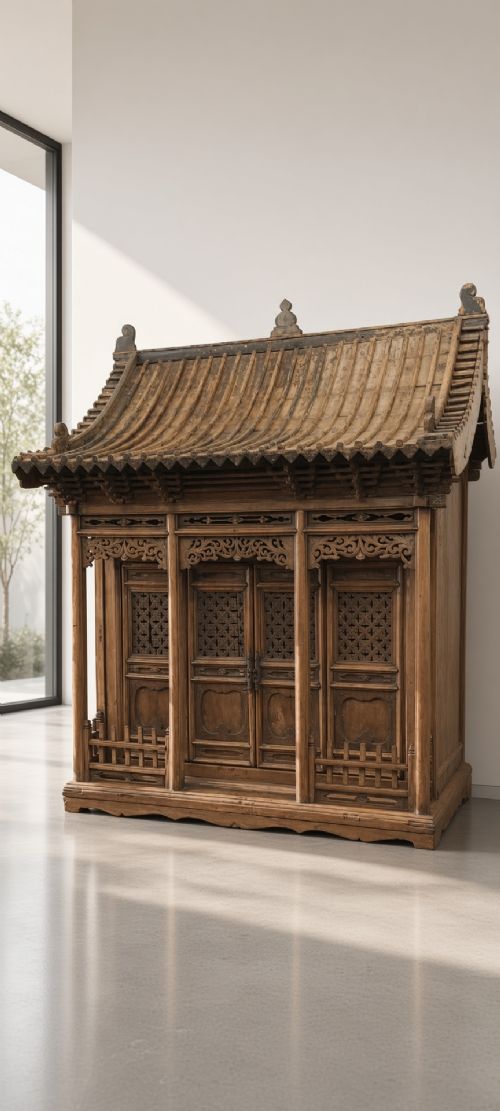
Many larger sculptures served as temple guards or protective figures within sacred spaces. Other pieces were created for domestic interiors as decorative tabletop sculptures and shrines.
Figurative groups and rootwood boat carvings functioned as ornamental display objects for scholars and collectors.
How do I care for antique wood carvings?
Keep wooden sculptures away from direct sunlight and sudden temperature changes to prevent the timber from splitting. Dust the carved surfaces gently with a soft dry brush.
Avoid using harsh chemical polishes, particularly on pieces finished with original lacquer, polychrome pigment, or giltwood.