


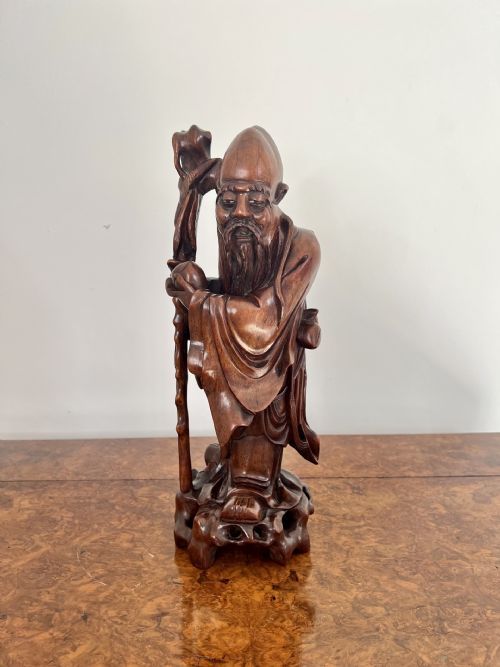


Hardwood Chinese Sculpture
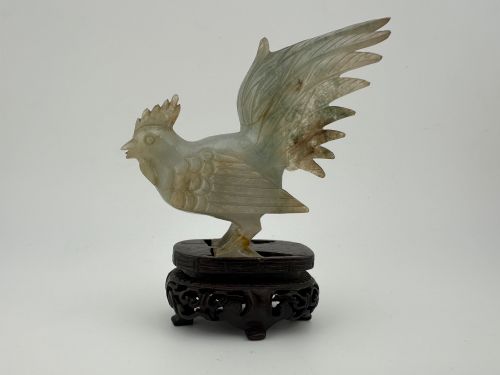
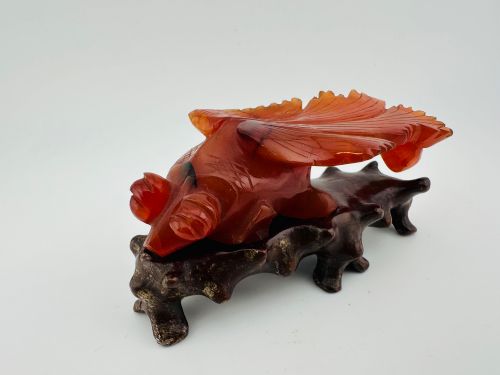
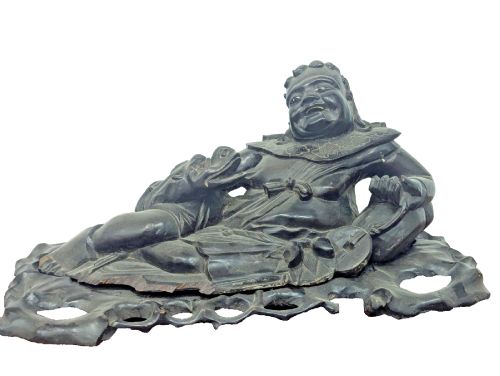
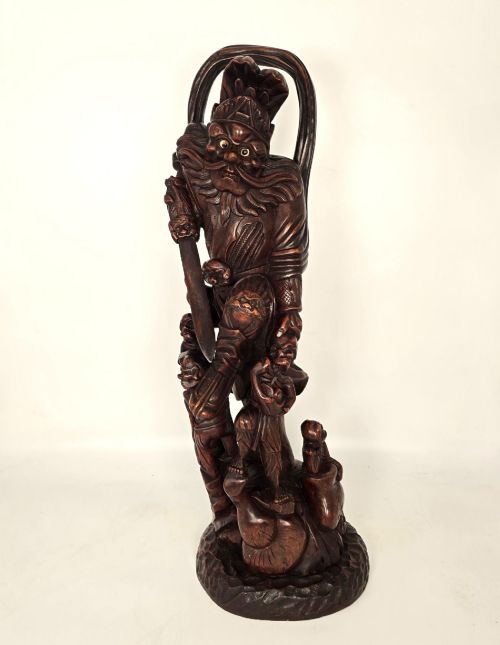
Hardwood chinese sculpture pieces bring the rich texture of traditional carving into a room, offering deep regional history and skilled hand-carving.
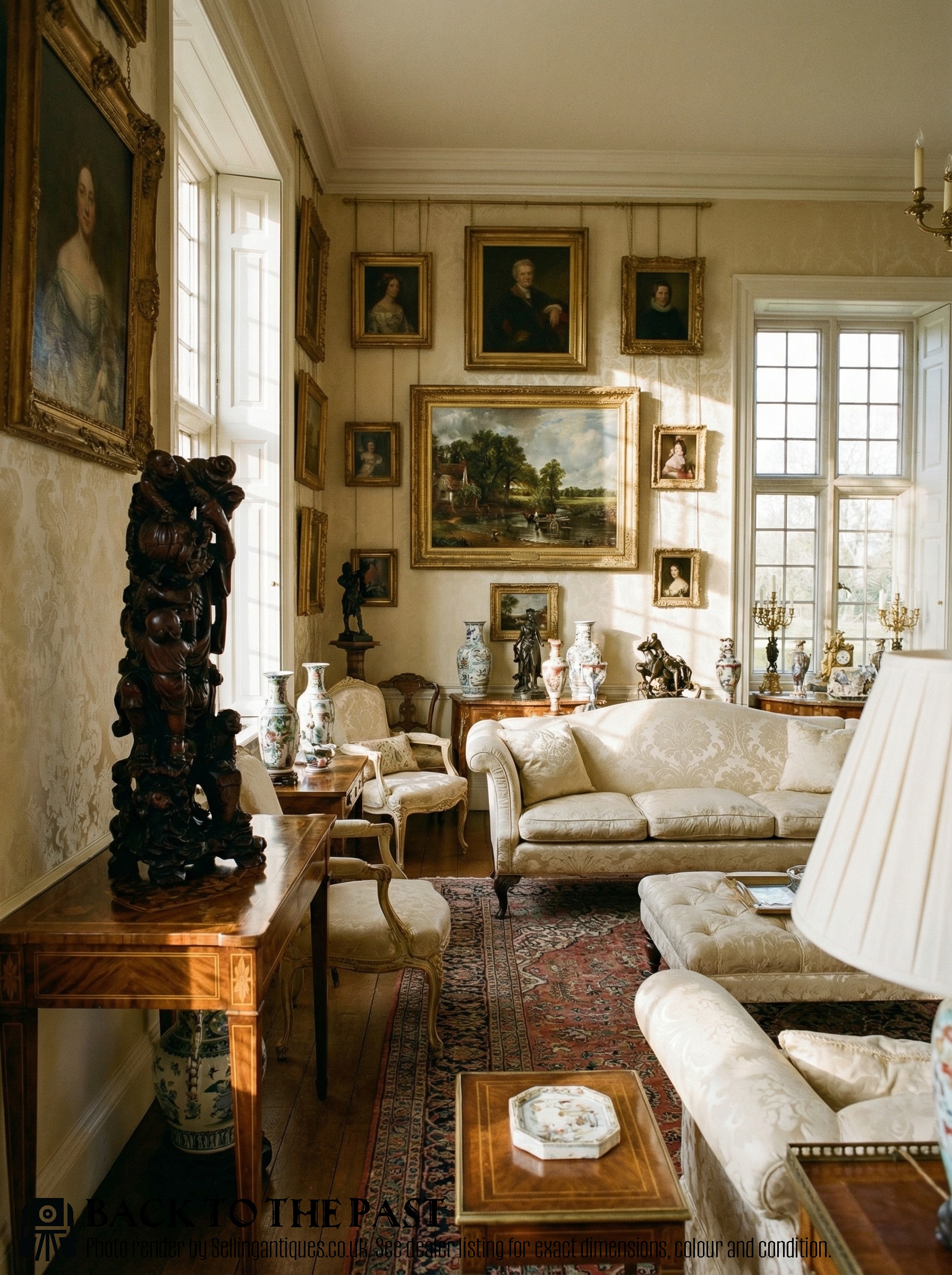
Hardwood Chinese Sculpture
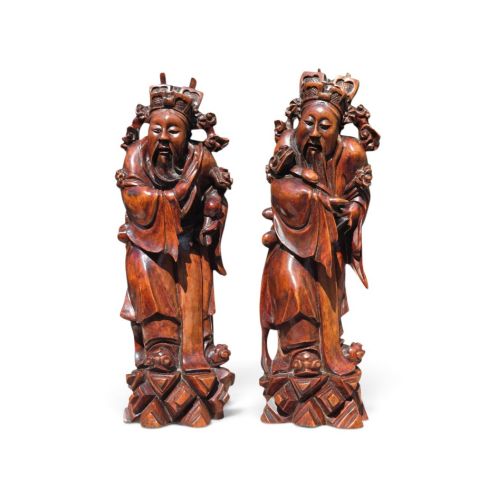
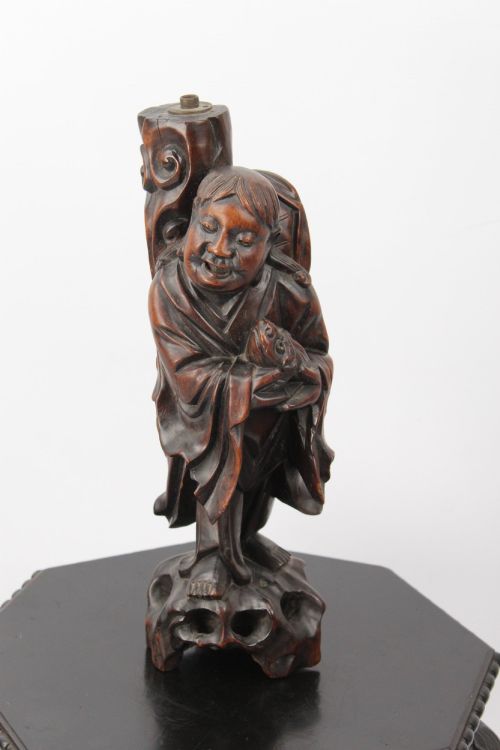
Hardwood chinese sculpture pieces range from depictions of figures such as Daoist immortals, Budai, and fishermen to animal studies of elephants, water buffaloes, and foo dogs. These items appear across periods including the nineteenth century, Edwardian era, and the early twentieth century.
The objects take the form of freestanding decorative figures, root wood carvings, and tea ceremony gongs mounted on carved stands. Most examples draw upon Qing Dynasty and traditional Chinese artistic conventions.
Buyers frequently encounter larger figures and matched pairs dating from the late nineteenth century and around nineteen hundred. These pieces demonstrate standard regional motifs such as mythical creatures, auspicious Mandarin ducks, and Guardian Kings.
Materials and construction
Carvers shaped these sculptures from dense hardwood and root wood, utilising the natural grain and root knots to dictate the posture of figures and animals. Secondary components incorporate mixed metal mounts, brass elements, bone, and glass detailing.
The creation process relies entirely on manual carving techniques, cutting directly into seasoned timber to define facial expressions, flowing robes, and animal musculature. Separate wooden stands are frequently integrated into the design to support heavier figural groups.
Materials documented across the inventory include hardwood, root wood, brass, glass, bone, and mixed metals.
Judging the work
The integrity of the timber influences overall success, with superior examples displaying stable grain, thoughtful handling of natural root forms, and well-integrated bases. Retaining matching pairs and original mixed metal or brass fittings elevates the standing of the work.
The Hardwood Chinese Sculpture Glossary
- Hardwood
- Dense, slow-growing timber selected for detailed carving and durability. This material resists warping and holds crisp tool marks over centuries.
- Root wood
- Timber sourced from the root system of a tree, where natural gnarled growth patterns inspire the shapes of figures and landscape carvings. Carvers often incorporate existing natural contours into the final subject.
- Qing Dynasty
- The final imperial dynasty of China, spanning from sixteen forty-four to nineteen twelve. Pieces from this era often follow traditional imperial aesthetic standards.
- Daoist Immortal
- A mythical or historical figure in Daoism who achieved spiritual perfection and immortality. These subjects appear frequently in traditional carving.
- Foo dog
- A traditional guardian lion sculpture placed to protect a space. They are typically rendered as a male holding a brocade ball and a female with a cub.
Hardwood Chinese Sculpture: Frequently Asked Questions
What periods do these sculptures date from?
The selections span the nineteenth century, Edwardian period, and early twentieth century. Many examples connect specifically to the late nineteenth century and the Qing Dynasty.
Items from these decades display traditional Chinese carving styles and recurring cultural motifs.
How are root wood carvings different?
Root wood carvings utilise the gnarled, twisting subterranean growth of trees rather than straight timber boards. Artisans work with the natural shape of the root to determine the final figure.
This technique allows the material to dictate the composition of the sculpture.
What subjects do these figures represent?
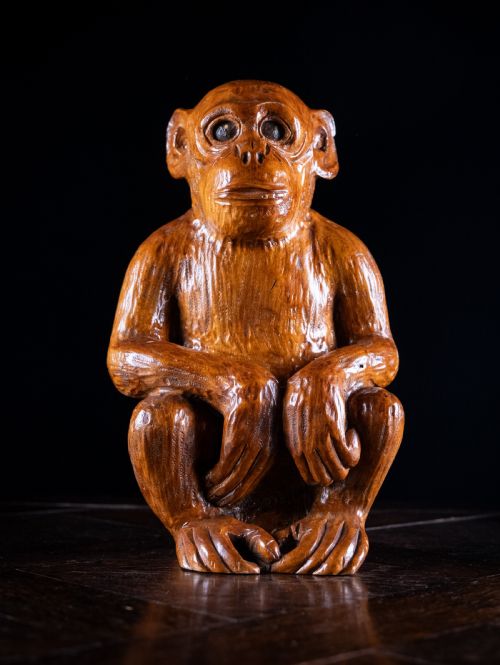
Common subjects include Daoist immortals, Budai, fishermen, and Guardian Kings. Animal carvings such as water buffaloes, elephants, monkeys, and Mandarin ducks also appear frequently.
Many of these figures carry symbolic meanings associated with luck, prosperity, and protection.
Are stands included with the sculptures?
Many figures and groups are mounted on integrated or matched wooden stands. Some pieces incorporate architectural bases or stands designed specifically to support heavier hardwood forms.
These elements form an original part of the presentation.
What materials are used alongside wood?
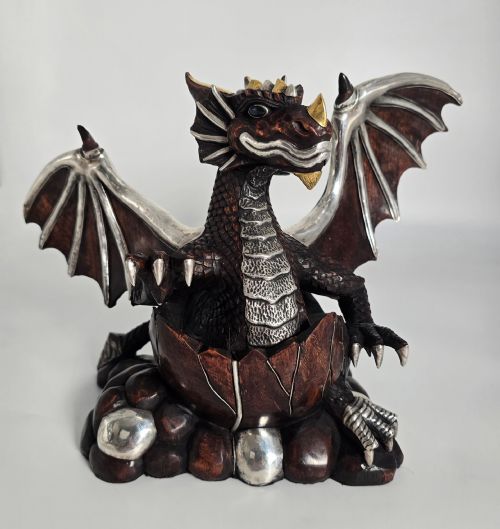
While the primary material is hardwood or root wood, certain objects incorporate mixed metal mounts, brass gongs, bone details, and glass. These auxiliary materials appear on specific forms like tea ceremony gongs and dragon sculptures.
They add textural contrast to the carved wooden surfaces.