
Qing Dynasty Wood Carving
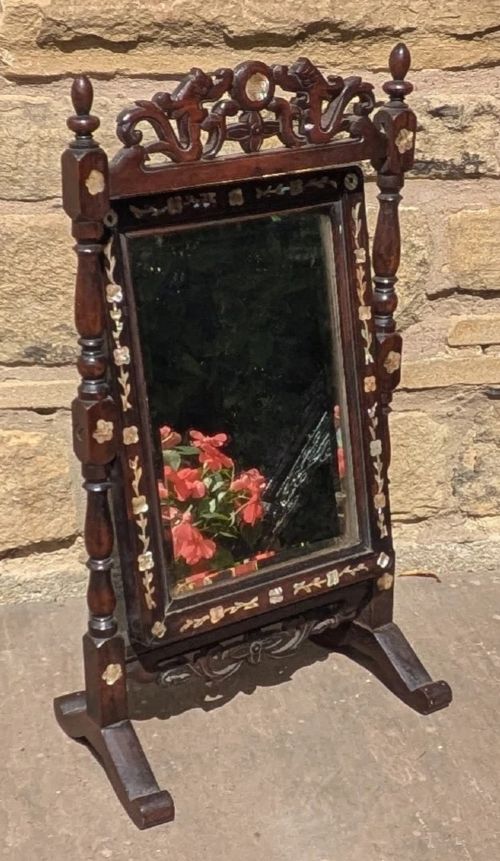
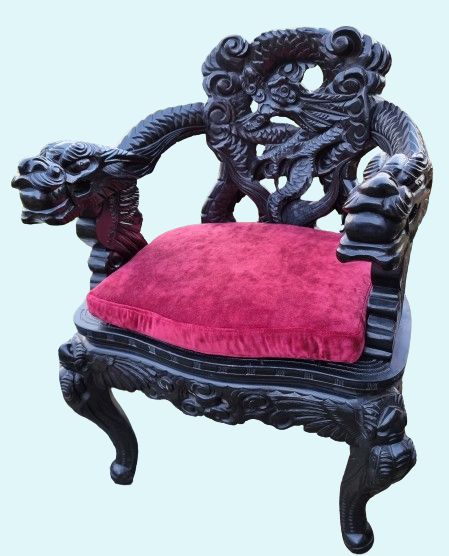
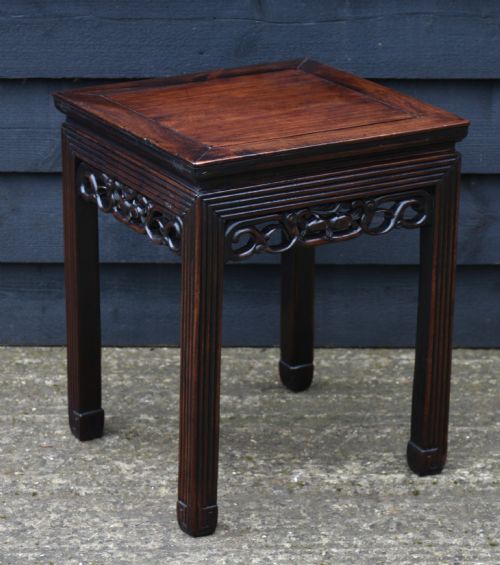
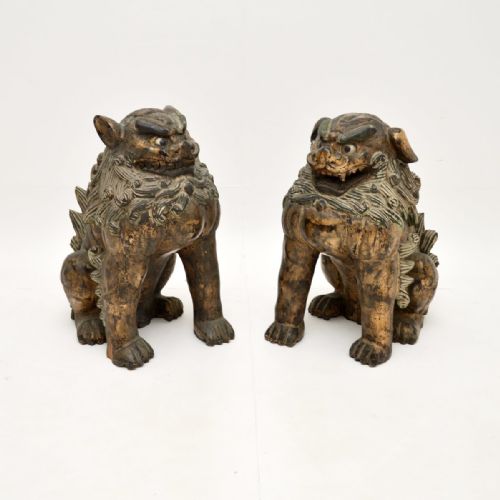
A qing dynasty wood carving brings organic forms and figurative sculpture into a room, offering tactile connection to historical Chinese craftsmanship.
What qing dynasty wood carving pieces are
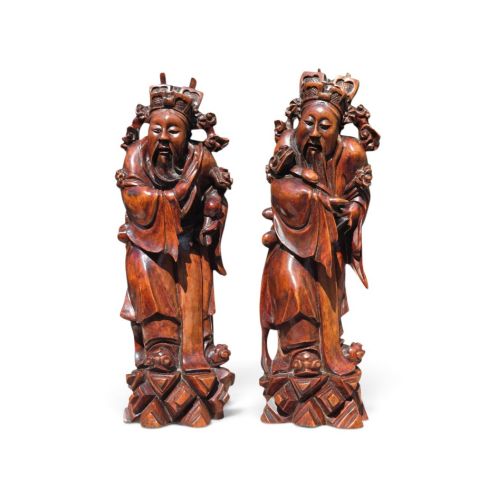
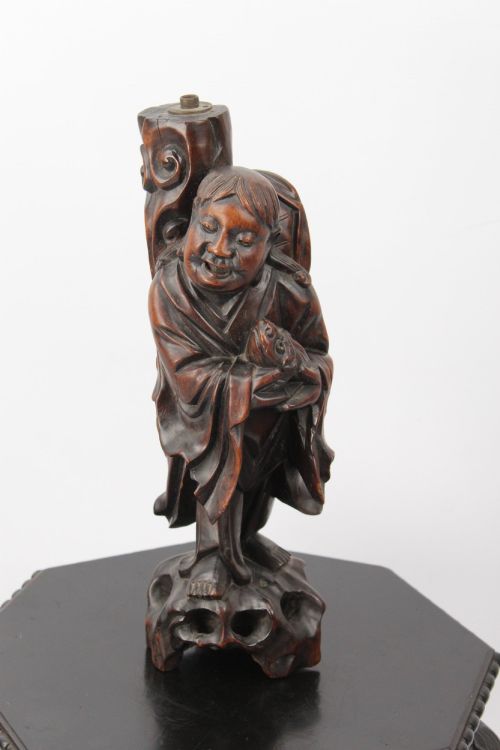
These items comprise sculptural works and decorative figures spanning the eighteenth and nineteenth centuries. A buyer searching for a qing dynasty wood carving encounters figures of immortals, scholars, and medical statues alongside botanical forms.
The most common examples on this page are rooted in the nineteenth century, including table lamps and standalone sculptures. Artisans shaped these objects to represent specific cultural narratives, such as the Daoist immortal Liu Hai or a boy riding an ox.
Forms range from compact depictions to large figures carved with considerable presence. The origins connect directly to Chinese production traditions associated with the Qing period and subsequent nineteenth-century output.
How qing dynasty wood carving works were made
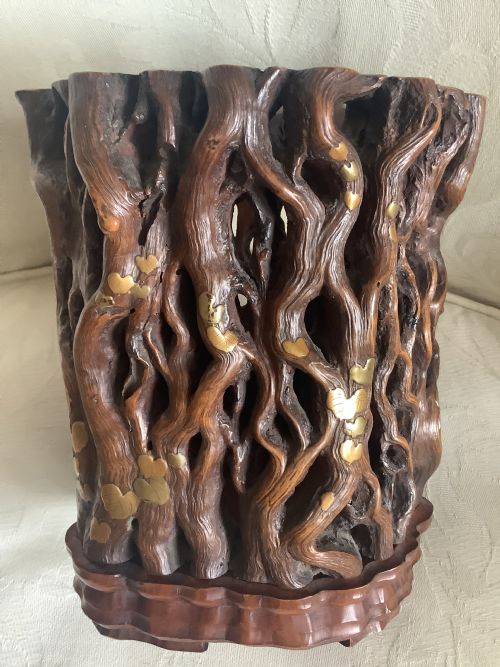
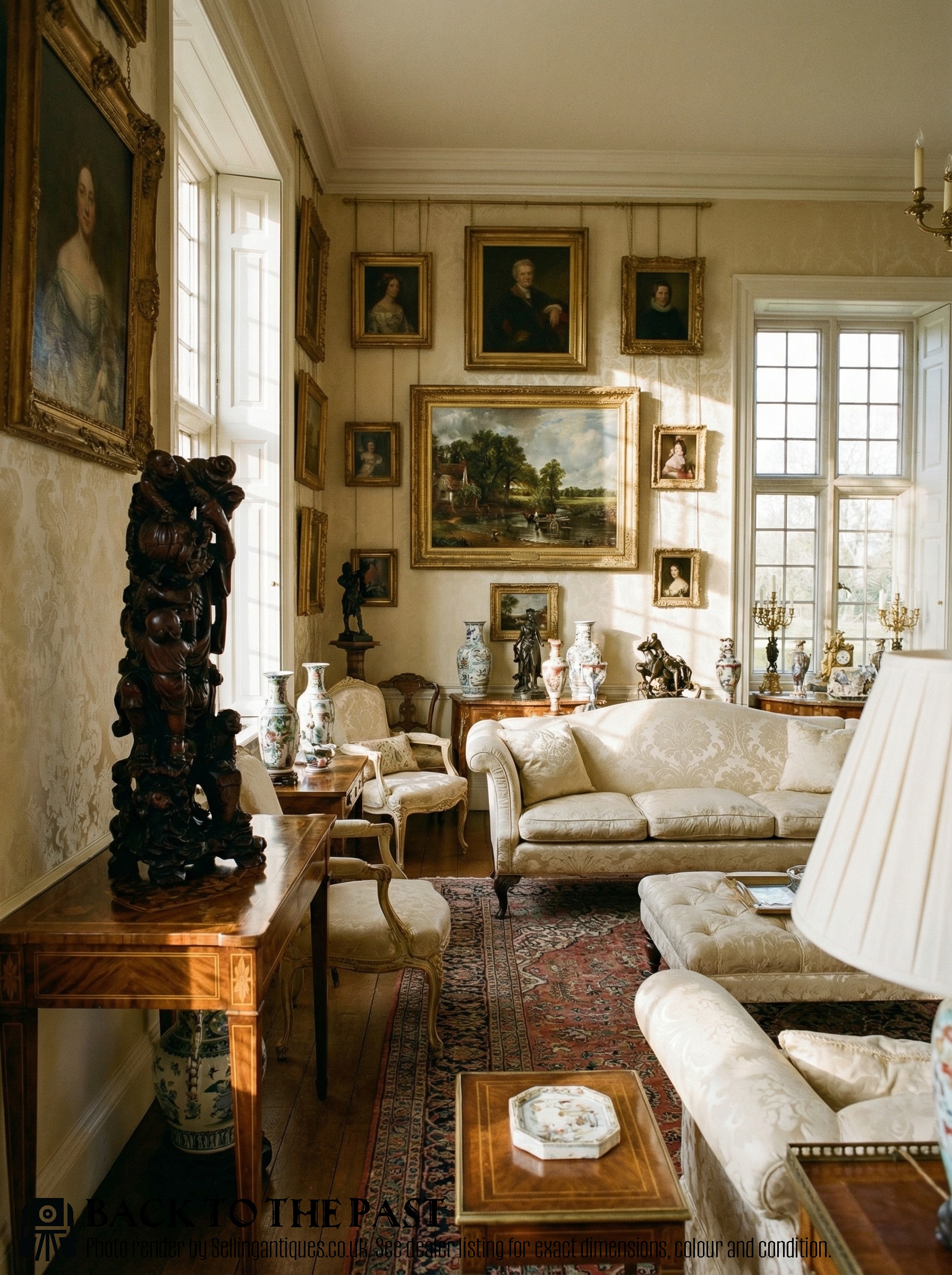
Maker techniques relied heavily on the natural contours of timber, utilising root wood, burr wood, and denser hardwoods. Artisans worked closely with the organic grain and knots of the material to suggest the shape of garments, animals, or landscape elements.
Surviving pieces show evidence of hand carving supplemented by occasional contrasting details such as inlaid glass. The underlying structure exploits the irregularities of timber to give each sculpture a dynamic silhouette.
Retail Price Guide 2026
Typical UK retail prices for qing dynasty wood carving, calculated from the Sellingantiques database of over a million retail prices indexed since 2003. This retail price guide relies exclusively on Sellingantiques data; no external sources or auction records are used, so the figures do not describe the wider market.
Listings feature items spanning the eighteenth century through to nineteen hundred, utilising root wood, hardwood, and burr wood.
What varies in quality
The distinction between standard and superior pieces rests upon the ambition of the carving and the exploitation of the natural timber. Superior examples demonstrate a confident translation of human anatomy or narrative detail from challenging root and hardwood forms.
Artistic execution dictates the visual success of the piece, particularly in how facial expressions and drapery are handled. Greater depth and undercut detailing separate masterwork sculptures from simpler decorative objects.
The Qing Dynasty Wood Carving Glossary
- Qing Dynasty
- The final imperial dynasty of China, lasting from sixteen forty-four to nineteen twelve. This era produced distinctive decorative arts and wood sculptures.
- Root wood
- Timber taken from the root system of a tree, prized for its gnarled, twisting shapes. Carvers integrated these natural irregularities into figurative compositions.
- Hardwood
- Dense, slow-growing timber used for detailed and durable sculptural work. It allows for crisp edges and polished surfaces that endure through centuries.
- Burr wood
- A tree growth where the grain has grown in a deformed manner, creating intricate patterns. It provides rich visual texture when shaped into figures.
Frequently Asked Questions
What is a qing dynasty wood carving?
It is a sculptural object fashioned from timber during the Qing period or the nineteenth century in China. These works typically depict figures, immortals, or narrative scenes.
Craftsmen often utilised roots and dense hardwoods, shaping the natural material to emphasise flowing robes or expressive gestures.
How were root wood sculptures used?
Figures carved from root wood served as desk ornaments, scholar's table items, or decorative displays within traditional interiors. Their organic shapes brought elements of nature into scholarly spaces.
Some later examples were adapted into functional objects such as table lamps while retaining their original carved forms.
How do I identify a nineteenth-century piece?
Dating relies on stylistic markers, tool marks, and the specific treatment of the timber. Nineteenth-century examples frequently employ root wood or burr wood with expressive, asymmetric silhouettes.
Comparing the subject matter, such as Daoist immortals or medical figures, helps establish the context within the broader Qing tradition.
How do I care for antique wood carvings?
These pieces require stable indoor humidity levels to prevent the timber from drying out or cracking. Avoid placing them in direct sunlight or near direct heat sources.
Dusting should be performed gently with a dry, soft cloth, avoiding commercial polishes that can build up on carved surfaces.