






Chinese Root Wood Carving
These Chinese root wood carving examples turn gnarled natural timber into lively figures that bring organic texture to any room.
What Chinese root wood carving pieces are
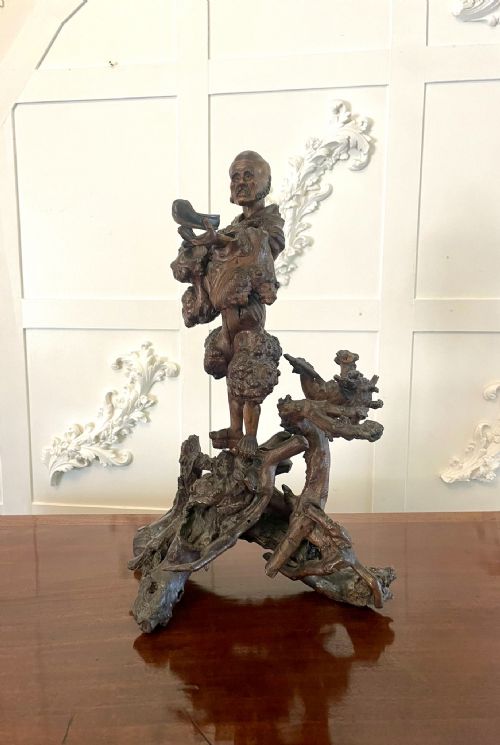
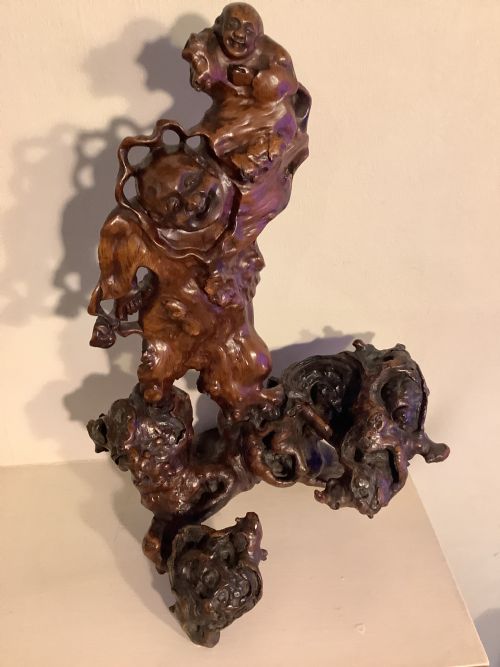
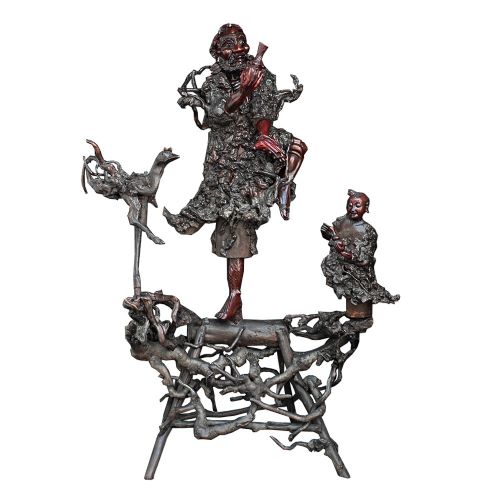
When you search for a chinese root wood carving, you are looking at sculptural works shaped directly from the twisting forms of timber roots and burls. The pieces available range from figures of scholars and mythical beasts to boats and pastoral scenes.
The forms include dogs of fo, lion dogs, men with boys, and oxen, reflecting traditional Chinese subjects. Each sculpture relies on the unique growth pattern of the root wood to dictate the final posture and energy of the carved subject.
How they were made
Carvers selected hard root wood, burr wood, and burl wood with complex, gnarled grains that suggested natural movement. They followed the natural twists of the timber rather than imposing a rigid geometric form upon the material.
Skilled artisans polished the wood to highlight the deep grain patterns and varied tones of the polished wood. Some sculptures incorporated bone inlay details, set directly into the carved wooden surface to create contrast.
Retail Price Guide 2026
Typical UK retail prices for chinese root wood carving, calculated from the Sellingantiques database of over a million retail prices indexed since 2003. This retail price guide relies exclusively on Sellingantiques data; no external sources or auction records are used, so the figures do not describe the wider market.
What varies in quality
Quality rests in how cleverly the carver used the natural gnarled growth of the timber to form a recognizable figure without overworking the material. The finest sculptures retain the wild, organic energy of the root while showing precise control in facial expressions and hands.
The density and figuring of the hardwood or burr wood create visual depth, with superior pieces displaying richer grain patterns and careful polishing. The integration of bone inlay also distinguishes more ambitious workshop productions from simpler carvings.
The Chinese Root Wood Carving Glossary
- Root wood
- Timber taken from the root system of a tree, prized for its twisting and irregular growth patterns. Carvers use these natural distortions to create dynamic sculptures.
- Burr wood
- A growth on a tree where the grain has grown in a deformed manner, resulting in complex and swirled patterns. This material is highly valued for decorative woodcarving.
- Qing Dynasty
- The last imperial dynasty of China, spanning from sixteen forty-four to nineteen twelve. Many traditional carvings originate from the later years of this period.
- Dog of fo
- A traditional guardian lion depicted in Chinese art and sculpture. These mythical beasts often feature prominently in root wood figures.
- Bone inlay
- A decorative technique where small pieces of bone are inserted into recesses in the wood. This adds contrasting white detail to dark wooden sculptures.
Frequently Asked Questions
What is a chinese root wood carving?
A chinese root wood carving is a sculptural piece shaped from the natural, twisting roots or burls of hardwood trees. Artisans work with the organic contours of the timber to create figures of scholars, animals, and mythical beasts.
These sculptures emphasise the wild, gnarled grain of the wood, turning natural flaws and twists into drapery, muscles, and landscape elements. Each piece is entirely unique due to the natural growth of the root used.
How were they displayed?
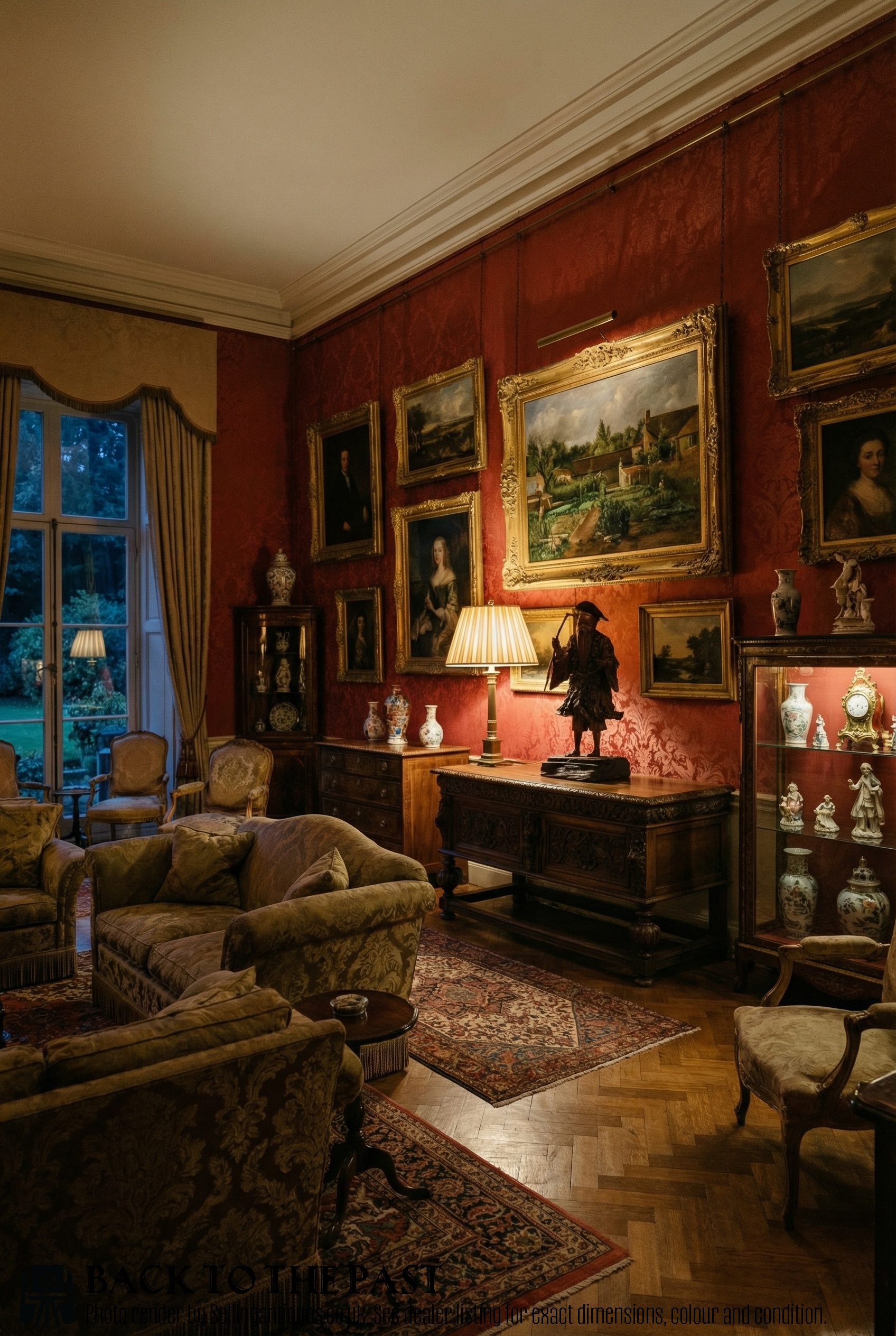
Historically, scholars and collectors placed these sculptures on wooden stands within studies and reception rooms for contemplation and appreciation. Their complex, organic forms provided a contrast to the rigid architecture of traditional rooms.
Today, they function well as focal points on tables or shelves where light can catch the polished grain and intricate details of the carving. They require stable indoor humidity to keep the hardwood from drying out.
What subjects do they show?
Common subjects include Daoist immortals, scholars, figures with boys, oxen, and guardian lion dogs or dogs of fo. Boat scenes and figures within natural landscapes also appear frequently.
The choice of subject often depended on the natural shape of the root wood, as carvers allowed the twisted timber to suggest the posture and activity of the figure.