

Oriental Wood Sculpture
These pieces of oriental wood sculpture span centuries of craftsmanship, offering tactile depictions of deities, animals, and scholars that bring historical depth to any room.
Oriental Wood Sculpture
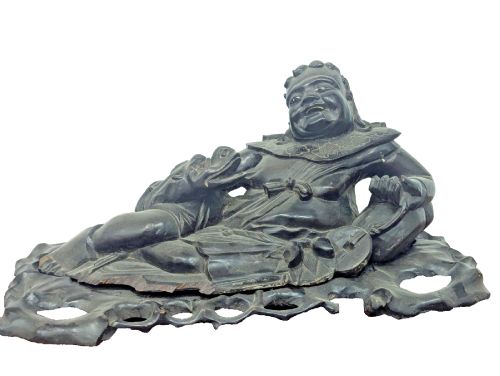
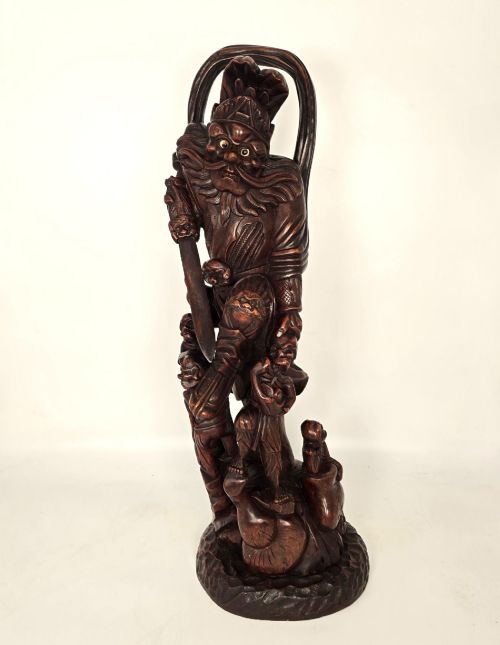
An oriental wood sculpture encompasses hand-carved figures, temple guards, deities, and animals originating from traditions across China, Japan, India, and Southeast Asia. The selections encountered most frequently on this page date from the nineteenth and early twentieth centuries, reflecting diverse regional aesthetics from the Qing Dynasty to the Meiji period.
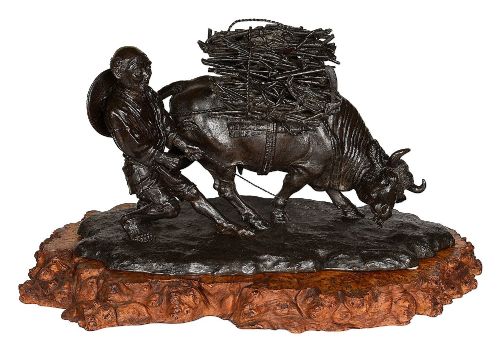
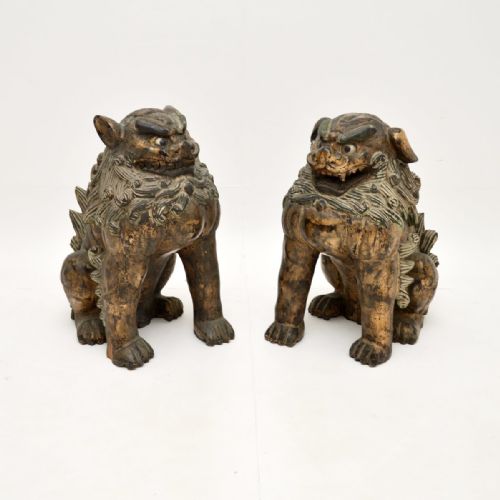
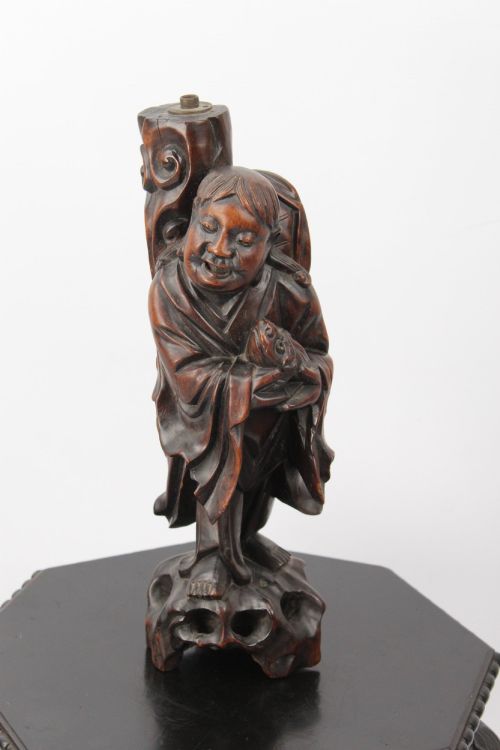
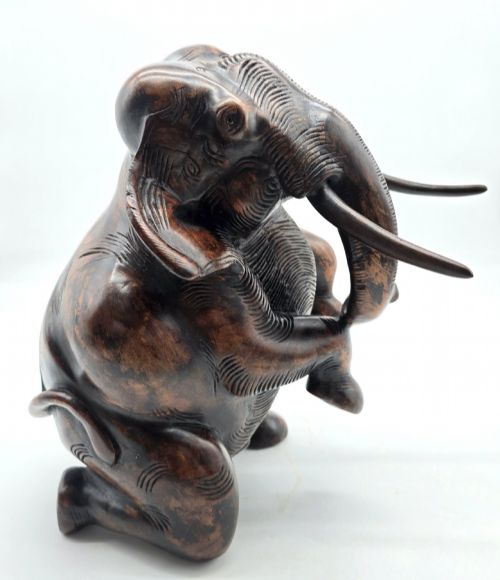
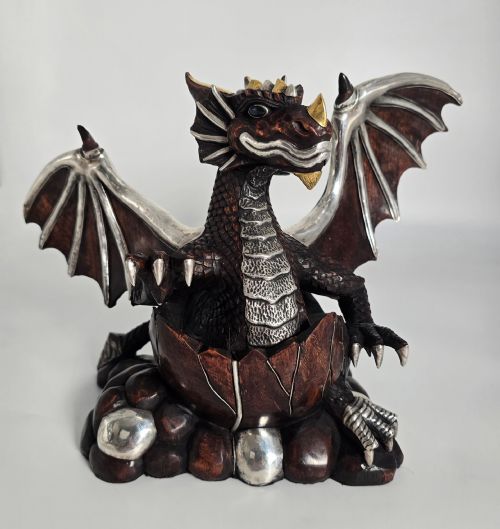
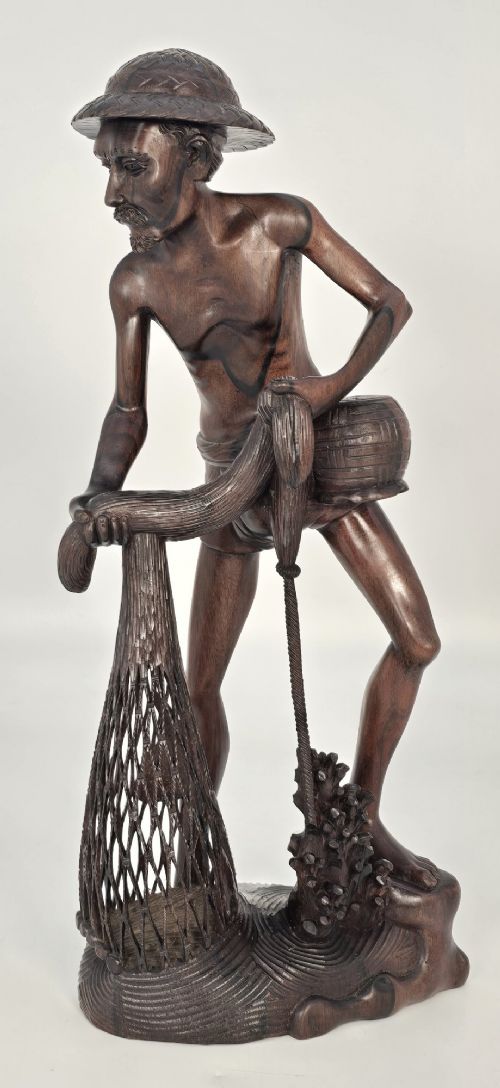
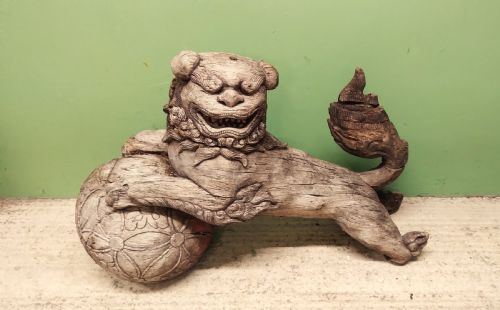
Forms range from monumental temple figures and guardian kings to intricate desktop okimono, rootwood displays, and miniature bamboo carvings. Scholars, fishermen, and mythical beasts such as foo dogs and dragons dominate the subjects, rendered through distinct regional iconography and carving traditions.
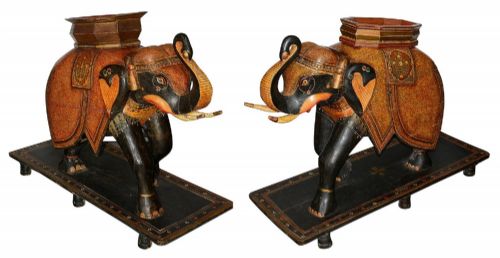
Pieces span multiple centuries, including older examples from the eighteenth and seventeenth centuries alongside Edwardian and 1930s interpretations. Buyers encounter varying scales, from miniature carvings and headrests to large freestanding statues and matched pairs.
Evaluating Quality
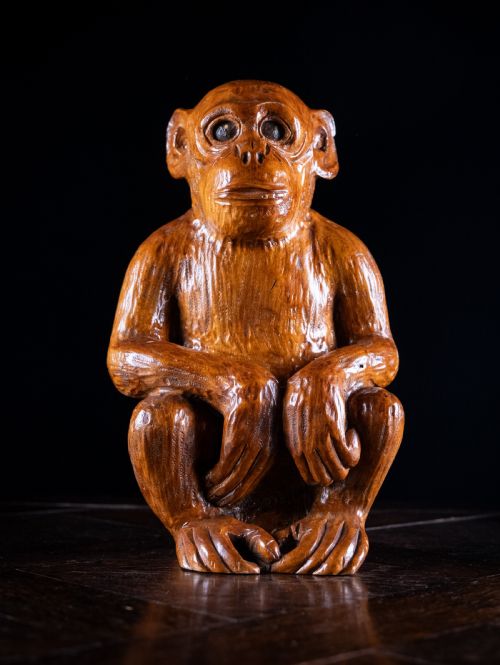
Depth of carving and anatomical precision separate standard decorative items from superior works, particularly in the rendering of drapery folds, facial expressions, and hands. Master carvers achieved fluid movement and lifelike presence even within dense, recalcitrant hardwoods.
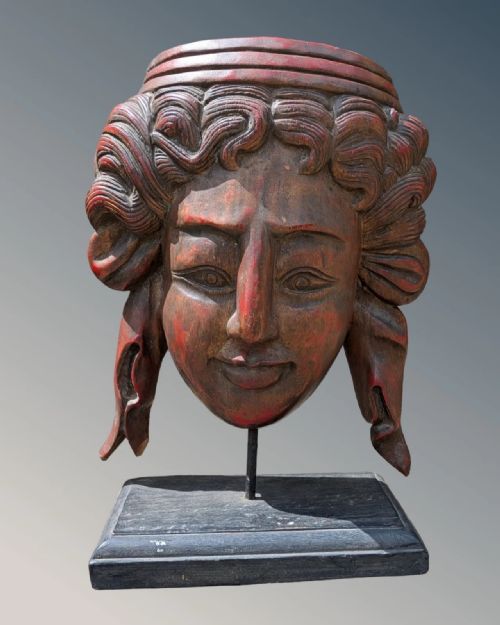
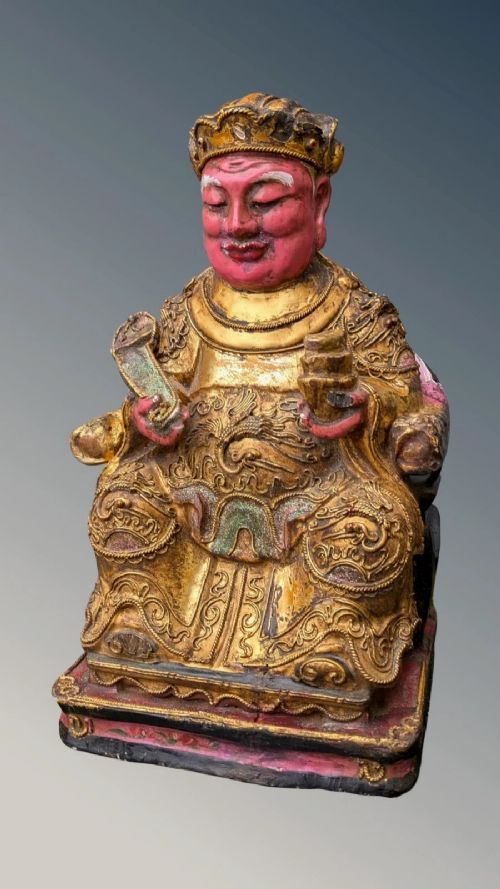
The preservation of original surface treatments, such as polychrome paint, lacquer, and gold leaf, significantly influences the integrity of a piece. Finer examples retain their original patination and delicate metal or mixed-media mounts without heavy modern restoration.
Materials span native hardwoods, boxwood, bamboo, and rootwood, frequently enhanced with lacquer, gesso, paint, and gold leaf.
The Oriental Wood Sculpture Glossary
- Okimono
- A Japanese ornamental carving designed for display, typically smaller than a full-scale statue. These decorative objects often depict figures, animals, or daily scenes from the Meiji period.
- Foo Dog
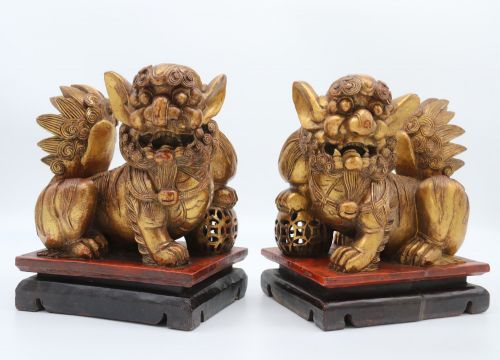
- A traditional guardian lion figure originating in Chinese art, symbolising protection and prosperity. Pairs frequently flank entrances or sit upon carved wooden bases.
- Rootwood
- Timber utilised for its natural, irregular growth patterns and roots, shaped minimally by carvers to highlight organic forms. Scholars and craftsmen favoured these pieces for their unique, unrepeated silhouettes.
- Polychrome
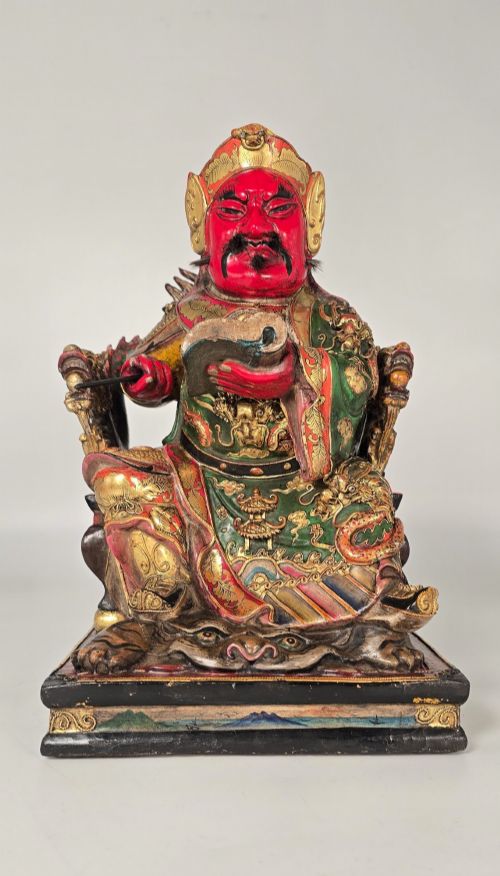
- Painted in several colours, frequently applied over gesso or wood in religious and secular figures. This surface treatment brings vibrancy to temple guardians and deities.
- Guanyin
- The bodhisattva of compassion in East Asian traditions, commonly depicted in wood sculpture holding sacred attributes. These figures often date from the nineteenth century or earlier.
Oriental Wood Sculpture: Frequently Asked Questions
How were temple figures used?
Temple figures served devotional and protective functions within religious structures across China, Japan, and Southeast Asia. Guardian kings and civil officials stood watch to ward off malevolent forces.
Many figures, such as Buddhist lions and deities, were placed on altars or flanking doorways. Their imposing presence and elaborate polychrome surfaces commanded reverence in sacred spaces.
How do I care for antique wood?
Antique wood sculptures require stable indoor humidity and protection from direct sunlight to prevent drying and cracking. Maintaining consistent environmental conditions preserves fragile surface treatments like lacquer and gold leaf.
Dusting should be performed gently with a dry, soft brush rather than liquid cleaners or polishes. Respecting the original patination ensures the finish remains stable over time.
How do I identify Meiji period pieces?
Meiji period Japanese carvings often display exceptional naturalism in human figures, animals, and okimono. Artisans during this era demonstrated mastery of fine anatomical detail and varied wood grain.
Subject matter frequently includes fishermen, tradespeople, and native wildlife such as bears. The execution reflects the high standards of nineteenth-century Japanese craftsmanship.