





Carved Wooden Immortal
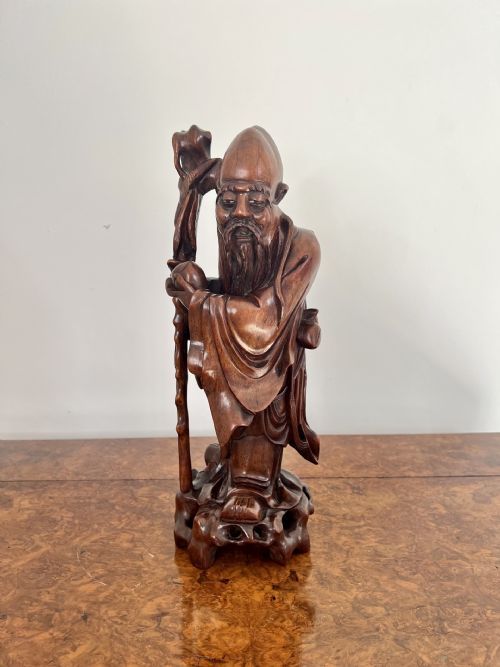
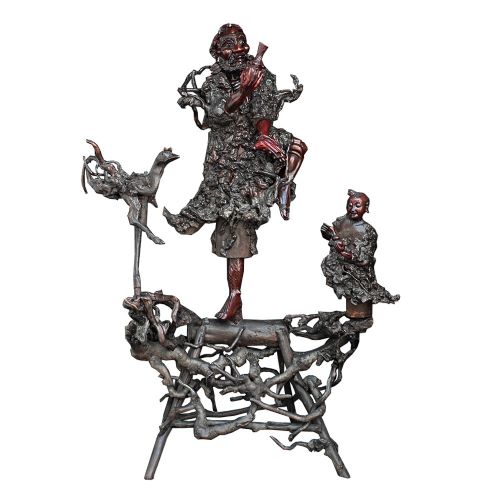
A carved wooden immortal brings the quiet focus of traditional Asian sculpture into a room, fashioned from dense hardwoods or gnarled roots by skilled hands.
Carved Wooden Immortal
A carved wooden immortal represents figures from Daoist and Buddhist traditions, often taking the form of wise elders, scholars, or deities. These sculptures serve as sculptural embodiments of spiritual devotion and traditional craftsmanship.
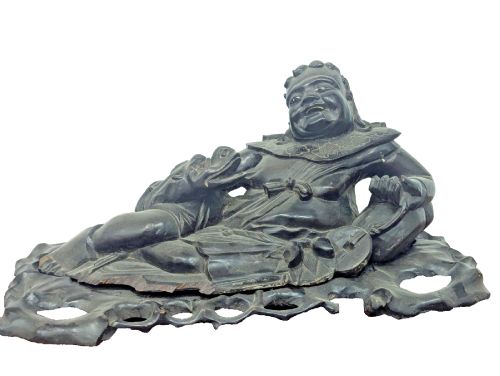
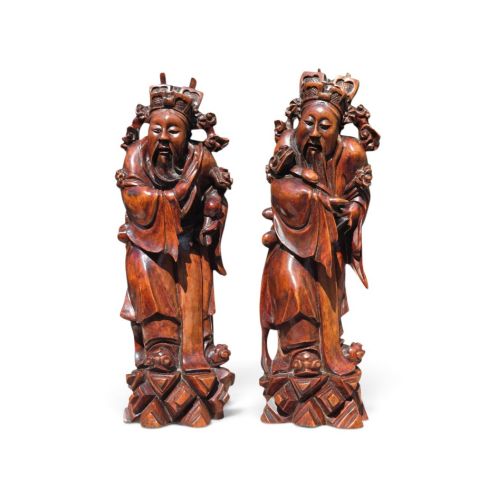
The selection on this page relies heavily on 18th century, 19th century, and Edwardian periods, with styles drawing from the Qing Dynasty and the Meiji Period. Figures range from matched pairs of Daoist immortals to individual carvings of Liu Hai or Budai.
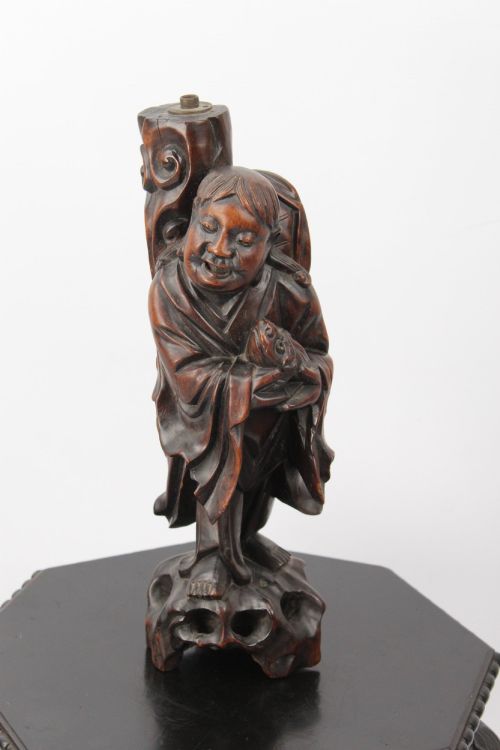
Forms vary from monumental freestanding sculptures and smaller figurines to functional root wood table lamps. Materials extend beyond standard wood into burr root wood, hardwood, and occasional accents of brass, gesso, and gold leaf.
Materials and carving techniques
Carvers utilise dense hardwoods and irregular root wood, following the natural contours of the timber to shape robes, beards, and facial expressions. Burr wood and root wood are chosen for their organic grain patterns and twisted forms.
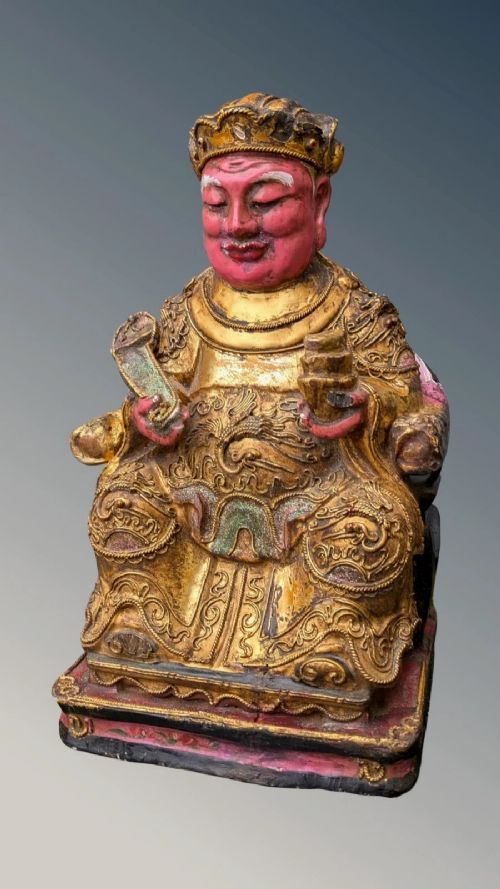
Finishes range from polished natural hardwood surfaces to polychrome painted details and gold leaf over gesso. Artisans shape these materials using traditional hand-carving chisels to achieve deep relief and expressive detail.
Materials recorded across the inventory include hardwood, burr wood, brass, gesso, and gold leaf.
Distinctions in quality
The choice of material heavily influences the standard of the piece, with dense hardwoods and well-selected root wood commanding greater presence. Proportion and balance in larger figures separate masterworks from simpler workshop output.
The Carved Wooden Immortal Glossary
- Daoist immortal
- A legendary figure in Chinese tradition who has achieved spiritual transcendence and harmony with nature. These figures often appear with distinct attributes such as gnarled staves or mythical creatures.
- Root wood
- Timber taken from the root system of a tree, prized by carvers for its knotty and convoluted growth patterns. Artisans incorporate these natural shapes directly into the subject matter of the sculpture.
- Qing Dynasty
- The final imperial dynasty of China, spanning from the seventeenth to the early twentieth century. Pieces from this era often exhibit traditional motifs and meticulous hardwood carving techniques.
- Meiji Period
- An era in Japanese history marked by opening to the West alongside a continuation of master craftsmanship. Wood carvings from this period demonstrate precise attention to human anatomy and expression.
- Budai
- A popular Chinese folkloric deity often depicted as a stout, laughing monk carrying a cloth sack. Sculptures of this figure symbolise contentment, abundance, and good fortune.
Carved Wooden Immortal: Frequently Asked Questions
How do I identify a root wood carving?
Root wood carvings make use of the natural, gnarled twists and knots found in tree root systems. Carvers incorporate these organic shapes directly into the posture and form of the figure.
Examination of the grain reveals undulating patterns that follow the natural growth of the timber rather than a straight-grained plank. These pieces often retain the irregular contours of the original root.
Where were these wooden figures placed originally?
These figures held places of reverence within temples, domestic shrines, and scholars' studies across China and Japan. They served as focal points for contemplation and cultural display.
Larger sculptures stood on dedicated pedestals or tables, while smaller items rested on scholar's desks alongside brushes and inkstones.
How should I care for an antique wood carving?
Antique wooden sculptures require stable indoor humidity and protection from direct sunlight to prevent the timber from drying out or splitting. Dusting should be done gently with a dry, soft brush.
Avoid applying modern polishes or oils, as these can accumulate in the carved recesses and alter the historic surface finish of the wood.
What distinguishes Qing Dynasty carvings?
Qing Dynasty carvings typically feature dense hardwoods like zitan or huanghuali, worked with deep relief and rigorous attention to traditional iconography. The forms reflect centuries of established artistic convention.
Surface patination on these older pieces develops a deep, warm lustre through decades of handling and exposure to the air.