



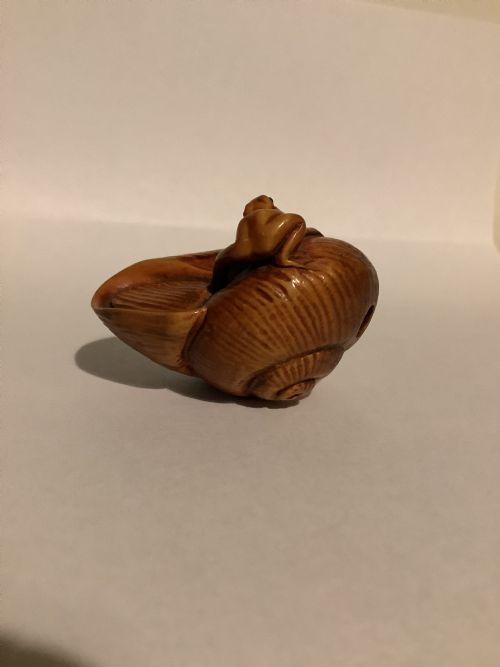

Antique Japanese Netsuke
These antique japanese netsuke miniature toggles secured traditional garments and display extraordinary sculptural detail.
Antique Japanese Netsuke
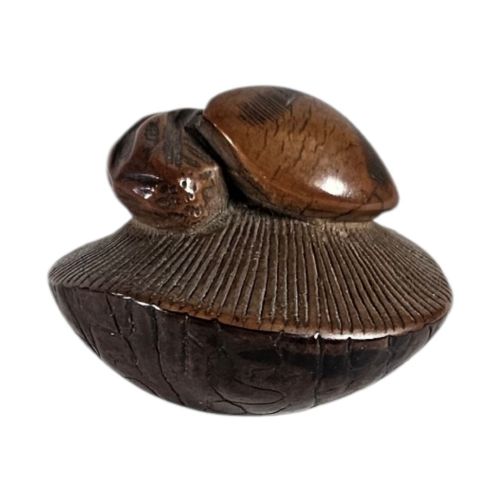
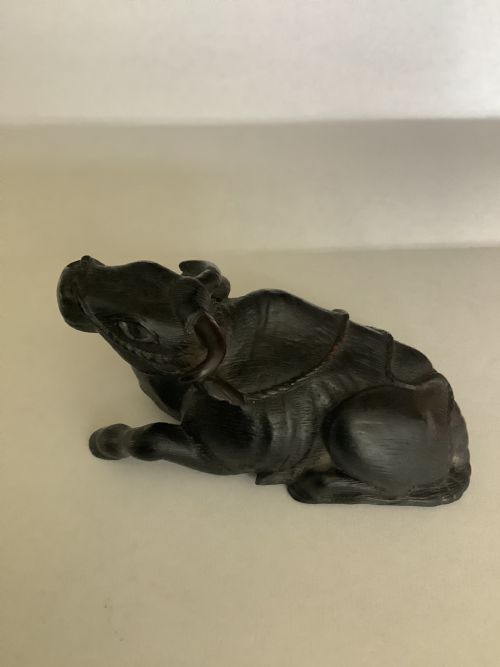
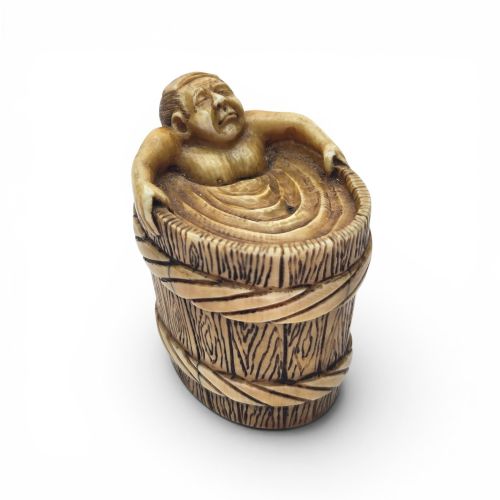
When you examine antique japanese netsuke, you handle small sculpted toggles designed to anchor suspended pouches and boxes to traditional kimono sashes. The examples on this page span the Edo, Meiji, and Taisho periods, ranging from the mid nineteenth century into the twentieth century. Most pieces take the form of carved wood or boxwood figures depicting animals, humans, and mythical subjects.
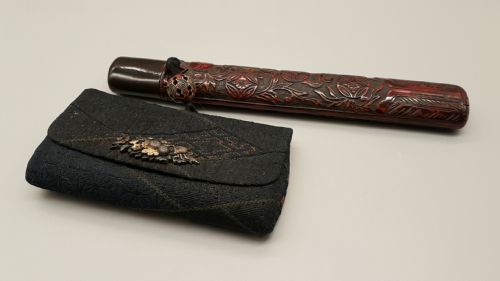
The inventory includes specialised variants such as circular kagamibuta netsuke inset with champleve cloisonne enamel panels, sashi netsuke designed to slip directly behind an obi, and larger okimono sculptures. Smoking accessories like tobacco boxes, pipe cases, and silk pouches also appear alongside standalone toggle carvings. Subjects range from naturalistic snails, frogs, and cats to figures of Ebisu, Daruma, and scholars.
How they were made
Carvers shaped these objects primarily from boxwood, exotic woods, stag antler, boar tusk, and horn using hand chisels and knives. Artisans frequently utilised gold inlay and mixed-metal applications to accent details on wood and bronze elements. Certain pieces incorporate champleve cloisonne enamel work set into circular wooden bases.
Makers integrated functional cord holes, known as himotoshi, directly into the composition of the carving without disrupting the overall design. Surfaces received careful polishing to create a tactile finish developed through handling over generations.
Antique Japanese Netsuke Retail Price Guide 2026
Typical asking prices for japanese netsuke among the pieces listed under this phrase on Sellingantiques today, from the lower quarter to the upper quarter. They describe what is for sale here now, not the wider market.
Listings feature boxwood, stag antler, bronze, and horn across Edo and Meiji period examples.
What varies in quality
The standard of carving defines the distinction between ordinary pieces and superior examples, particularly in the rendering of facial expressions, fur texture, and anatomical naturalism. Skillful execution of the himotoshi holes without compromising the sculptural integrity remains an indicator of fine craftsmanship. Signed pieces by recognised carvers demonstrate a higher degree of artistic refinement in the detailing.
Material selection also dictates quality, with dense, unblemished boxwood, well-figured cherry amber, and substantial stag antler commanding attention. The patination achieved through age and handling contributes to the visual depth of the material.
Tomochika·Masayuki·Masanao
The Antique Japanese Netsuke Glossary
- Netsuke
- A small carved toggle used to secure a suspended container to a kimono sash. These objects evolved from simple functional fasteners into miniature masterpieces of Japanese sculpture.
- Okimono
- A standalone Japanese decorative figurine intended for display rather than fastening. These sculptures share materials and subjects with functional toggles.
- Kagamibuta
- A flat, circular manju-style netsuke featuring a metal disc set into a bowl-shaped body. The metal lid often displays intricate enamel or inlay work.
- Himotoshi
- The integrated cord channels carved into a netsuke through which the fastening cord passes. Their placement demonstrates the carver's ingenuity in preserving the design.
- Sashi
- A long, slender form of netsuke designed to be slipped vertically behind the obi. This style secures pipe cases and tobacco pouches.
- Ojime
- A small decorative bead threaded onto the cord between the netsuke and the pouch. It slides along the string to secure the container opening.
Antique Japanese Netsuke: Frequently Asked Questions
What is an antique japanese netsuke?
An antique japanese netsuke is a small sculpted toggle used historically in Japan to anchor suspended pouches and medicine boxes to the sash of a kimono. Carved from materials like boxwood and stag antler, they combine practical utility with miniature art.
These pieces feature two cord holes called himotoshi that allow the securing string to pass through the sculpture seamlessly. Their designs range from naturalistic animals to complex figural scenes.
How do I date a netsuke?
Dating relies on stylistic evidence, material wear, and period characteristics associated with the Edo, Meiji, and Taisho eras. Pieces from the mid nineteenth century often display distinct Edo characteristics, while later Meiji examples frequently show more elaborate mixed-metal work.
Signatures and school attributions provide further chronological markers when linked to recorded carvers. Examining the natural patina of the wood or antler helps confirm the age of the piece.
Were they used every day?
Yes, these items served an essential daily function in traditional Japanese dress where garments lacked pockets. Men carried personal items like tobacco, pipes, and seal boxes suspended from their sashes.
The constant handling during daily use created the smooth, tactile patinas seen on many surviving wooden and antler examples today. This repeated contact gradually softened sharp edges and enriched the surface texture.
How should I display them?
These objects are tactile sculptures meant to be held and examined closely from all angles. Displaying them on flat surfaces allows the three-dimensional composition and fine carving details to be appreciated.
Stable indoor humidity and protection from direct sunlight preserve the integrity of organic materials like wood, amber, and antler. Open placement lets viewers appreciate the intricate cord channels and signature marks.