

Brown Wood Carving
Brown wood carving brings together sculpture and folk art spanning centuries, offering warmth and tactile depth to any room.
What these pieces are
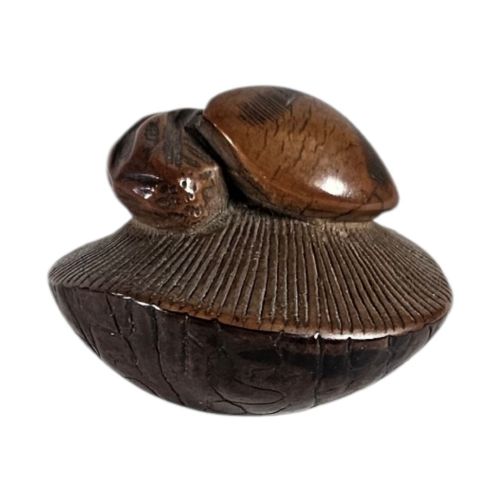
A brown wood carving is a sculptural object fashioned from timber, encompassing diverse forms such as figurative busts, animals, and traditional netsuke. When exploring brown wood carving on this page, buyers encounter pieces originating from European folk traditions, continental religious workshops, and African tribal artistry.
The selections range from nineteenth-century Black Forest animal groups and continental religious figures to twentieth-century folk art sculptures and tribal friction oracles. These works showcase varied regional aesthetics, from meticulous realism to stylised tribal forms.
How they were made
Carvers utilised a variety of woods including linden wood, pine, boxwood, and general carved wood, applying hand-cutting and chiselling techniques to shape the raw material. Some items feature additional components in iron, integrating mixed elements into the wooden structure.
Makers employed distinct regional styles such as Black Forest realism, Japanese Edo detailing, and African tribal carving methods. Surfaces often bear the tool marks of the artisan, revealing the direct physical interaction between maker and material.
Retail Price Guide 2026
Typical UK retail prices for brown wood carving, calculated from the Sellingantiques database of over a million retail prices indexed since 2003. This retail price guide relies exclusively on Sellingantiques data; no external sources or auction records are used, so the figures do not describe the wider market.
Among the creatures carved in wood, a friction oracle crocodile from the Congo waits quietly to divine answers.
What varies in quality
Quality rests in the anatomical precision and expressive depth of the carving, distinguishing master sculptors from provincial artisans. Pieces bearing artist signatures or workshop stamps demonstrate documented provenance that elevates their standing.
The finesse of the surface detailing dictates the visual success of each object, from the intricate rendering of animal groups to the stark power of tribal figures. Material choice also plays a role, with dense boxwood or fine linden wood permitting greater sculptural intricacy than softer pine.
J Huggler·Boudewijn Tuerlinckx
The Brown Wood Carving Glossary
- Black Forest
- A nineteenth-century style of wood carving originating from the mountainous region of central Europe. This tradition is renowned for realistic animal groups rendered in linden wood.
- Netsuke
- A small carved toggle traditionally used in Japan to secure small pouches to kimono sashes. These miniature sculptures demand exceptional dexterity from the carver.
- Boxwood
- A dense, pale wood prized by carvers for its fine, even grain. It allows for microscopic detail in miniature works.
- Folk art
- Utilitarian or decorative objects created by self-taught or provincial makers outside academic traditions. These pieces rely on direct, unpretentious forms.
Frequently Asked Questions
How should I display a wooden sculpture?
Place carvings away from direct heat sources and strong sunlight to prevent the timber from drying out and splitting over time. Stable indoor humidity keeps the wood stable.
Position them at eye level on sturdy surfaces where the hand-carved details and grain can be appreciated up close without risk of knocks.
Are these carvings made by hand?
The pieces listed reflect traditional hand-carving techniques using chisels, gouges, and knives rather than modern industrial machinery. Each object bears the individual touch of the artisan.
Close examination often reveals subtle tool marks that distinguish genuine historical carvings from mass-produced reproductions.
How do I identify the period of a wood carving?
Dating relies on stylistic conventions, the specific treatment of form, and the type of wood employed by the maker. Comparing pieces to dated examples or signed works helps narrow the timeframe.
Signatures, stamps, and the natural ageing of the timber also provide reliable clues to a piece's chronological origin.
What is tribal art carving?
Tribal art carvings are objects created within indigenous cultural traditions, often serving ceremonial, spiritual, or utilitarian functions. Examples include friction oracles used in divination.
These pieces embody distinct regional iconography and symbolism that reflect the social structures and beliefs of their makers.