
Polychrome Wood Carving
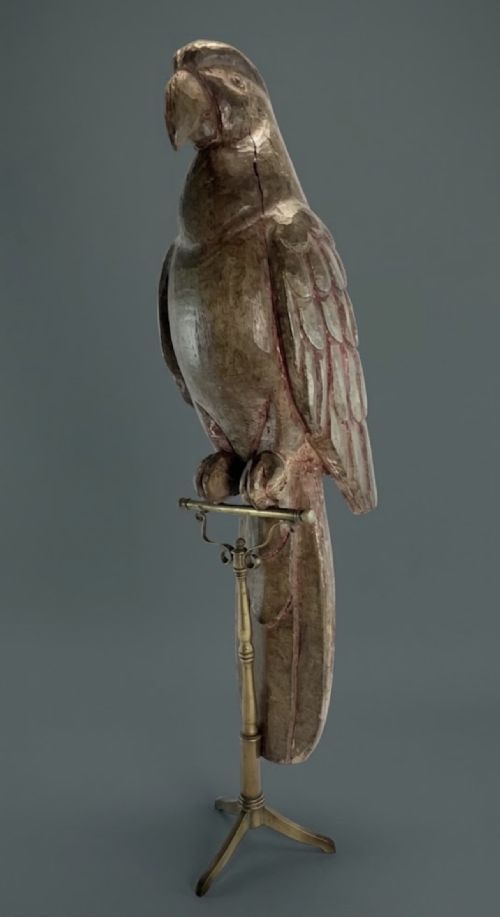
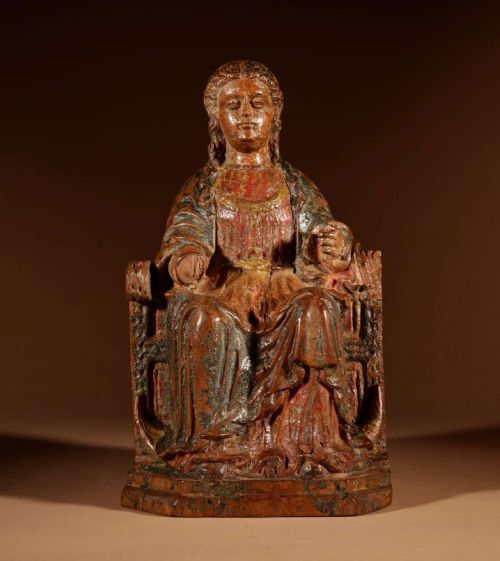
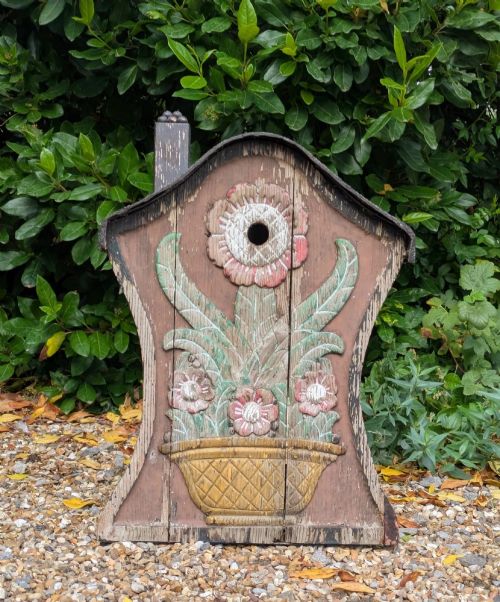
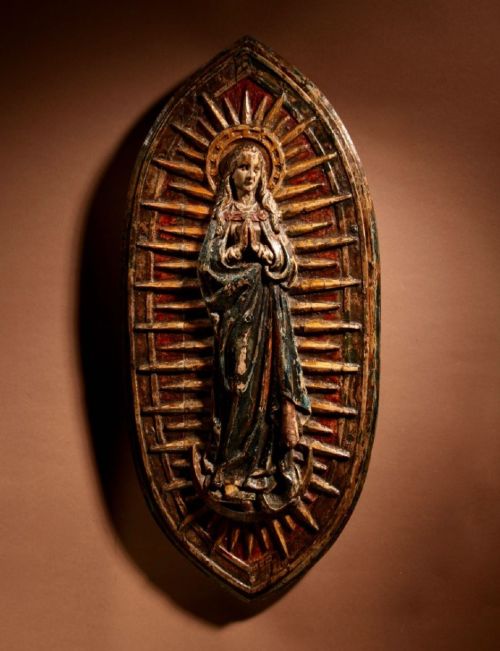
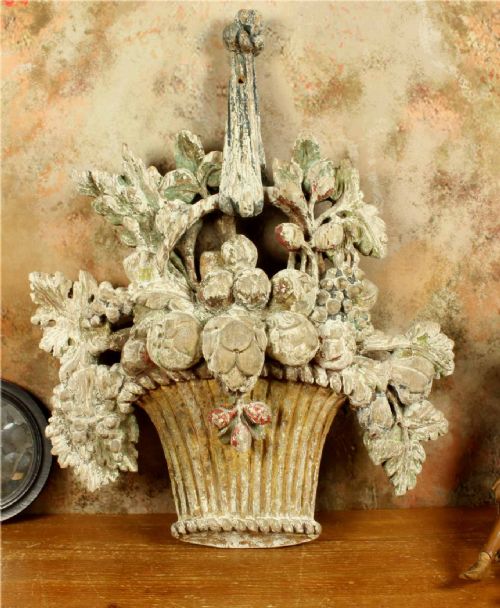
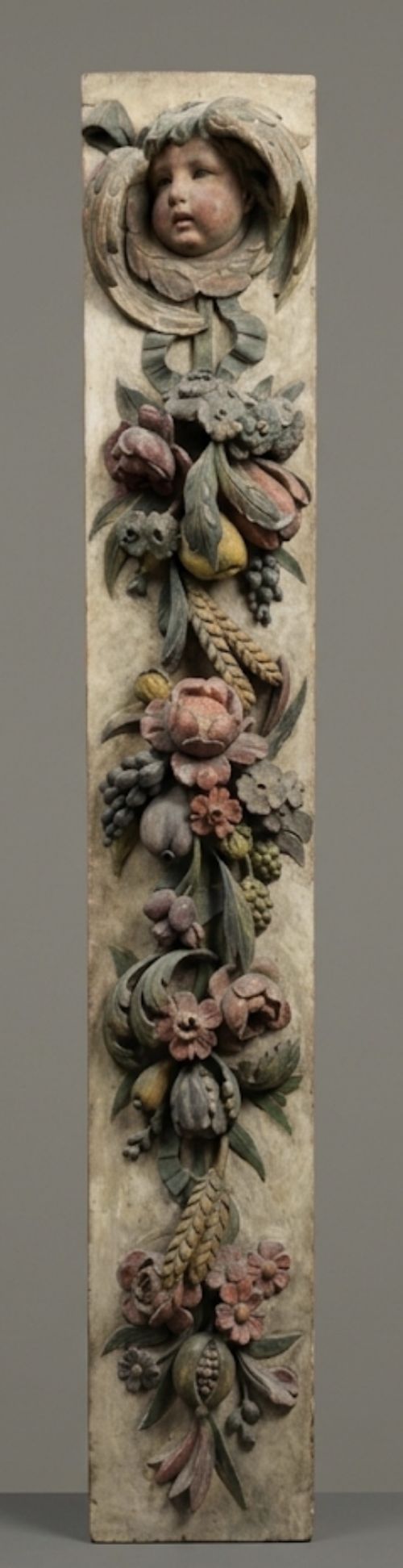
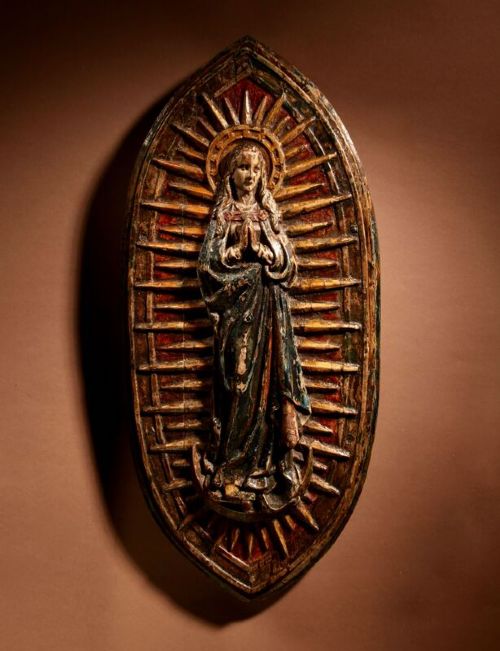
These pieces of polychrome wood carving range from medieval religious panels to folk art bird boxes, bringing layered colour and texture straight into a room.
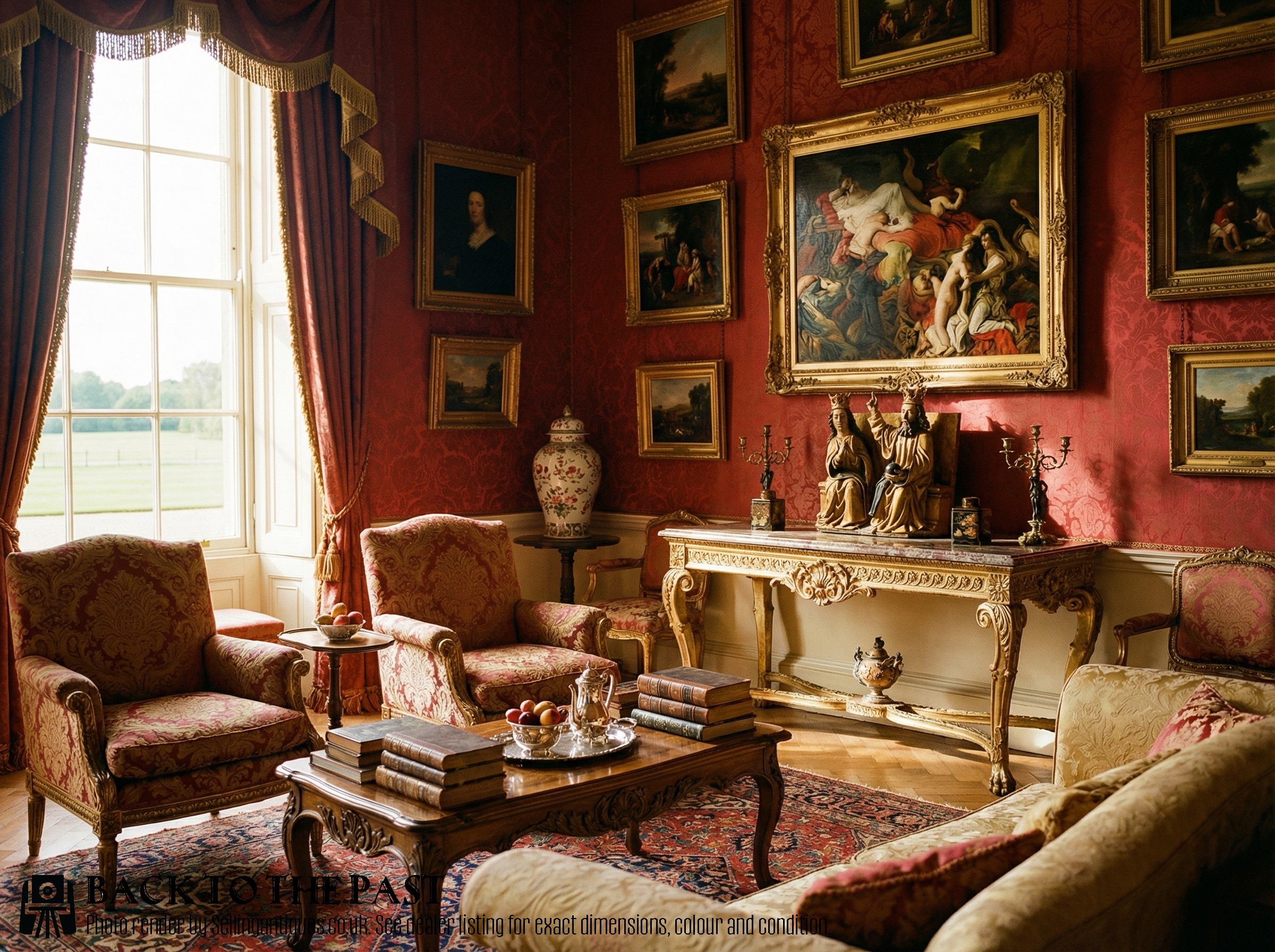
Polychrome Wood Carving
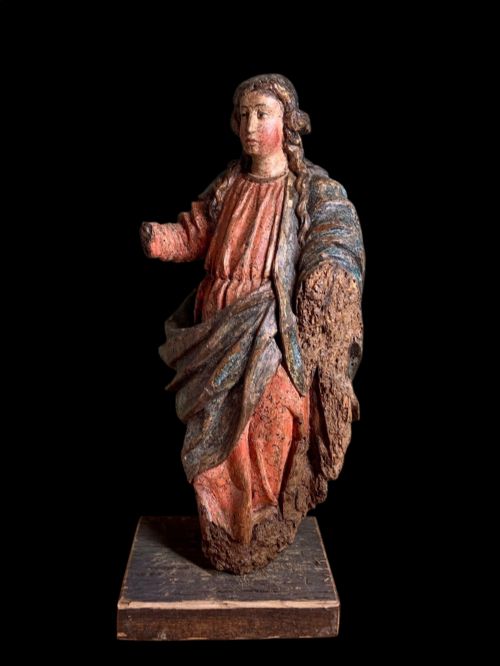
A polychrome wood carving brings together carved timber and applied paint, gesso, or gold leaf to create figurative and decorative works. When searching for polychrome wood carving, buyers encounter everything from sixteenth century religious sculptures and saints to nineteenth century marriage plaques and folk art bird boxes.
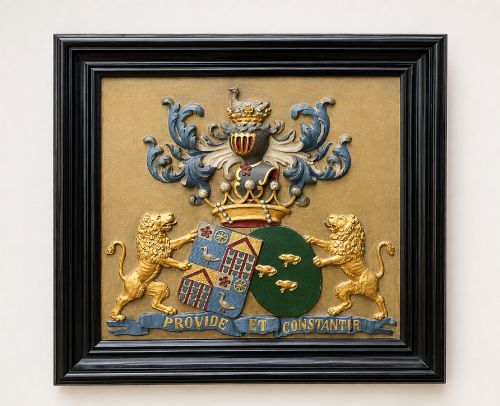
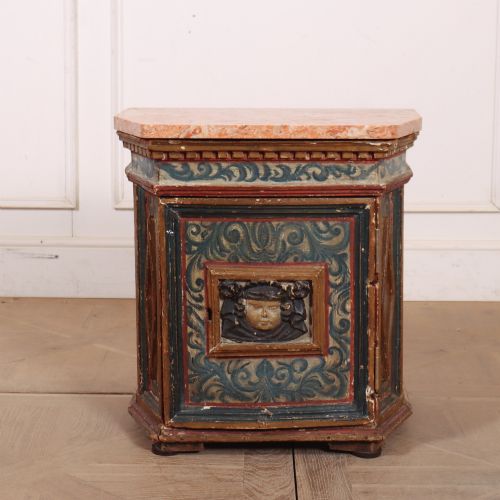
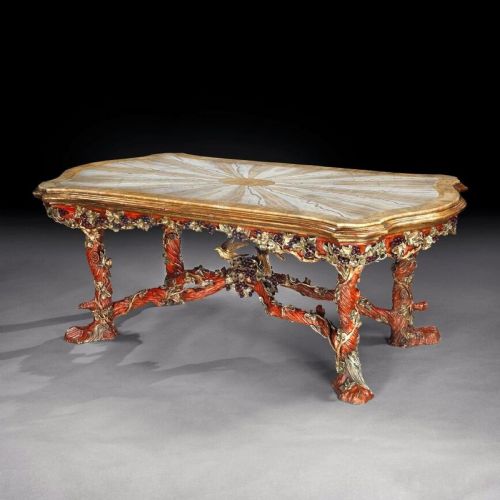
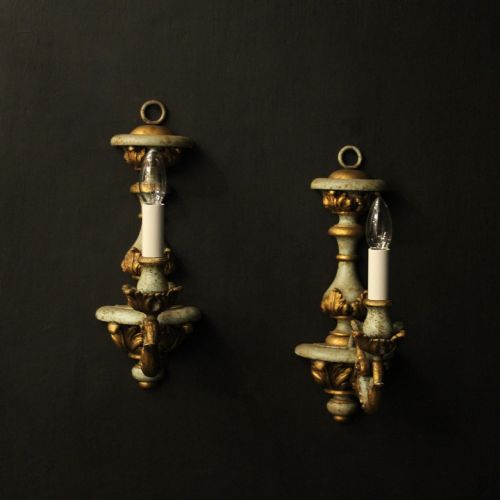
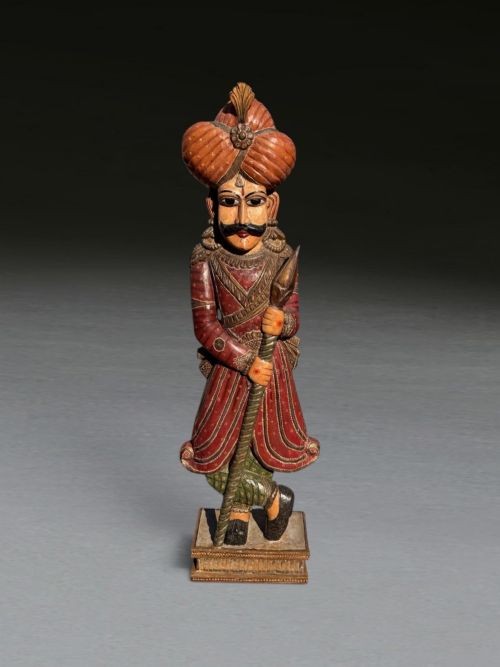
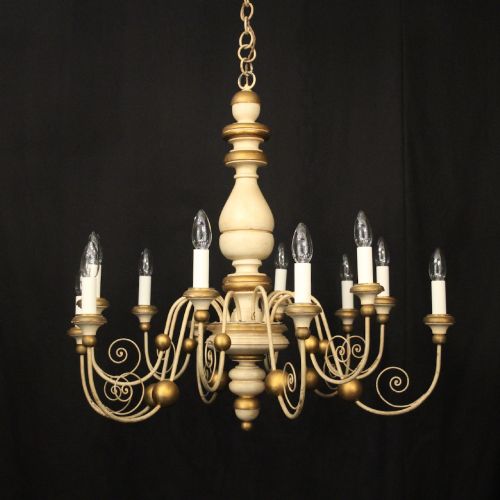
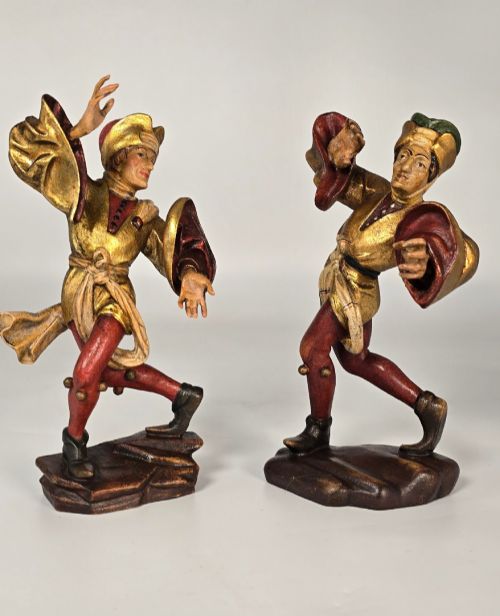
The selection on this page draws heavily from continental European workshops, featuring Italian Baroque figures, Dutch heraldic panels, and Swiss dancing figures alongside Asian and Anglo-Indian works. Forms span from wall lights and chandeliers to side tables, pedestals, and substantial freestanding figures.
Earlier periods are represented by oak and walnut devotional panels, whilst later nineteenth and twentieth century pieces lean towards decorative domestic items, wall reliefs, and painted furniture.
Materials and Construction
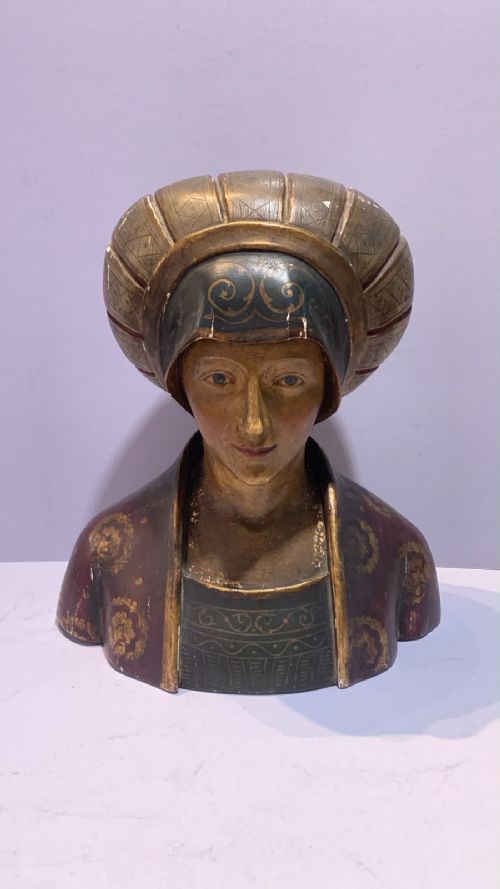
Carvers shaped native timbers such as oak, walnut, limewood, and olive wood before applying surface decoration. Many pieces received a preparation layer of gesso to smooth the grain before artists added polychrome paint and gold leaf.
Finishes vary from traditional oil and water-based pigments to hand-painted lacquer, wax decoration, and gilding. The interaction between the exposed grain of the carved wood and the surviving layers of paint defines the physical character of each piece.
Polychrome Wood Carving Retail Price Guide 2026
Typical asking prices for polychrome wood carving among the pieces listed under this phrase on Sellingantiques today, from the lower quarter to the upper quarter. They describe what is for sale here now, not the wider market.
Assessing Quality
Quality rests upon the crispness of the original wood carving and the integrity of the surviving polychrome surface. Superior pieces exhibit confident, detailed chisel work in the underlying timber, particularly in facial expressions and drapery folds.
The relationship between the carving and the painted finish matters greatly. The finest examples maintain a harmonious balance where the application of gesso, paint, or gold leaf enhances the sculptural form without obscuring the craftsmanship beneath.
Amleto Bertoni
The Polychrome Wood Carving Glossary
- Polychrome
- Decorated in a variety of colours. This describes timber surfaces finished with multiple painted pigments.
- Gesso
- A plaster mix used as a base. Artisans applied this mixture to wood to create a smooth surface for painting or gilding.
- Capipote
- A carved wooden figure with a realistic head and hands, often featuring fabric garments. These devotional statues appeared in Spanish traditions.
- Altarpiece
- A structured panel or screen behind an altar. Many medieval wooden sculptures originated as central panels within these larger religious settings.
- Heraldic
- Displaying coats of arms or family crests. These carved and painted plaques commemorated marriages and alliances.
Polychrome Wood Carving: Frequently Asked Questions
What are polychrome wood carvings?
These works combine timber sculpture with applied paint, gesso, or gold leaf. They include religious figures, wall plaques, and decorative objects.
Craftsmen across Europe and Asia produced these pieces from the medieval period through to the twentieth century.
How were these carvings used originally?
Many early pieces served devotional purposes in churches as altarpiece panels or figures of saints. Later examples fulfilled domestic roles as wall lights, furniture, and decorative reliefs.
Secular items like marriage plaques and bird boxes recorded family history or provided folk art utility.
How should I live with these pieces?
Place them away from direct sunlight and sudden temperature changes to protect the delicate painted and gilded surfaces. Stable indoor conditions help preserve the underlying wood and gesso.
Wall-mounted pieces require secure fixings suited to their weight, whilst freestanding figures need stable surfaces.
How do I tell periods apart?
Early pieces from the sixteenth century typically feature religious subjects carved in heavy timbers like oak or walnut with remnants of early pigment. Nineteenth and twentieth century works often display brighter decorative palettes and varied forms such as chandeliers and tables.
Stylistic cues, from Baroque curves to folk art simplicity, indicate the era of production.