

Antique Wooden Sculpture
These pieces of antique wooden sculpture bring warmth, texture and centuries of hand-carving directly into interior spaces.
Antique Wooden Sculpture
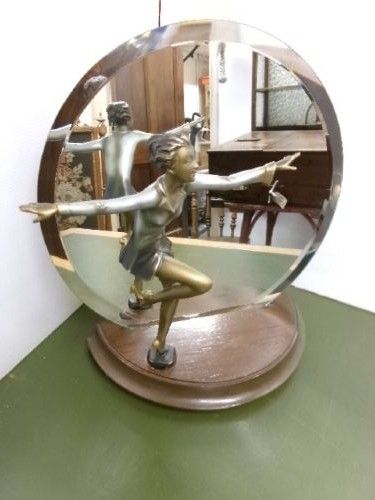
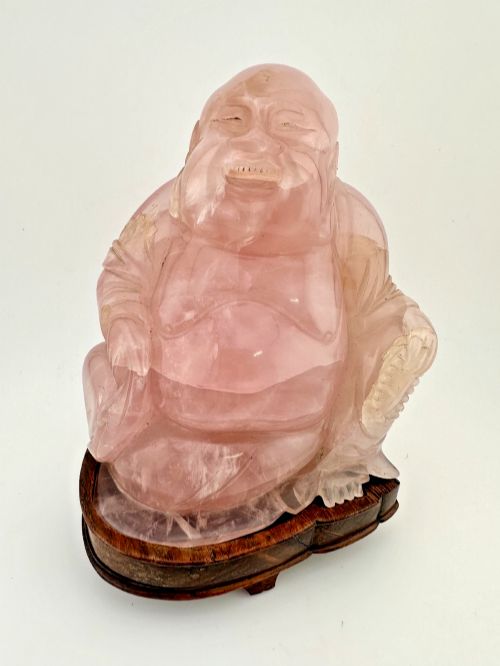
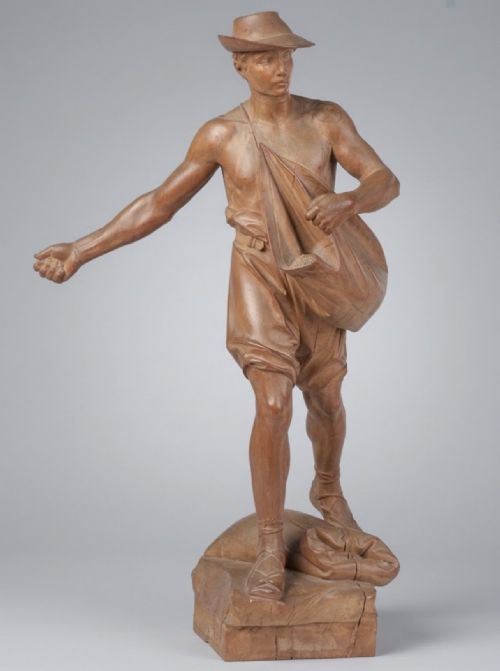
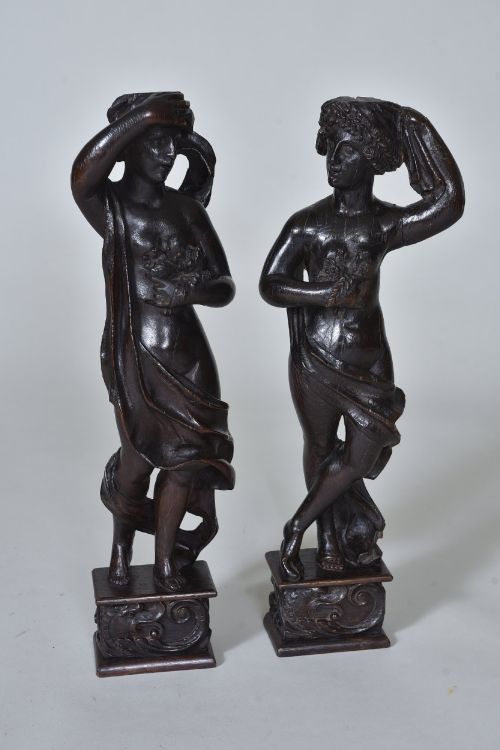
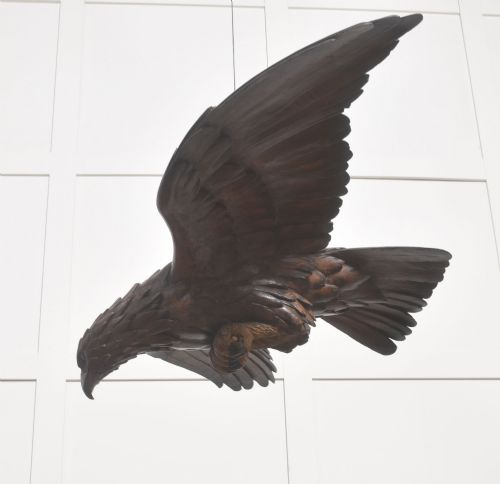
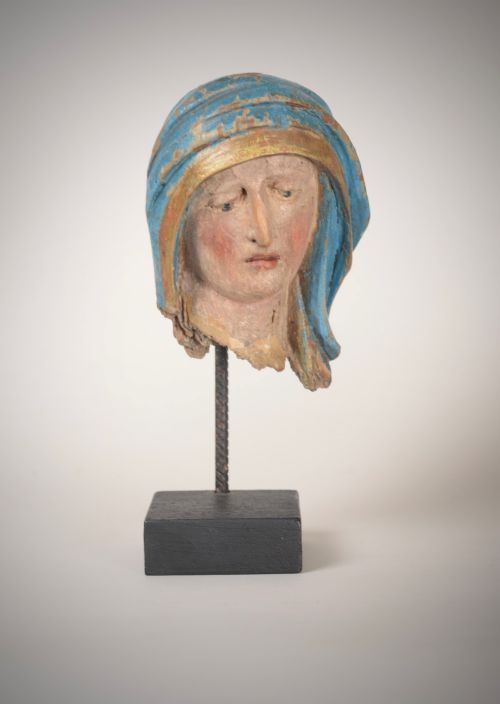
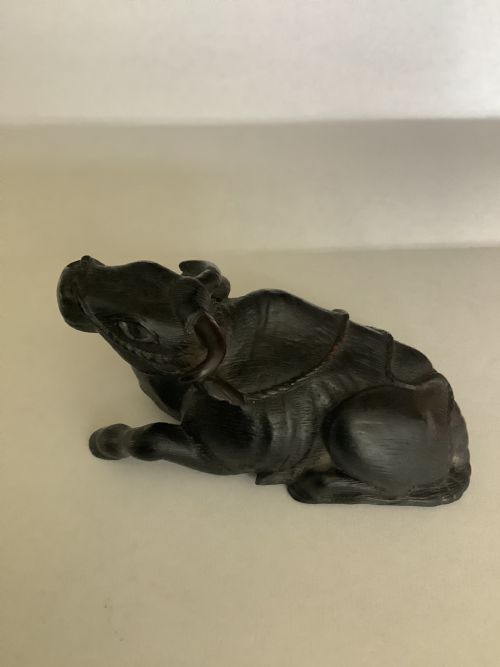
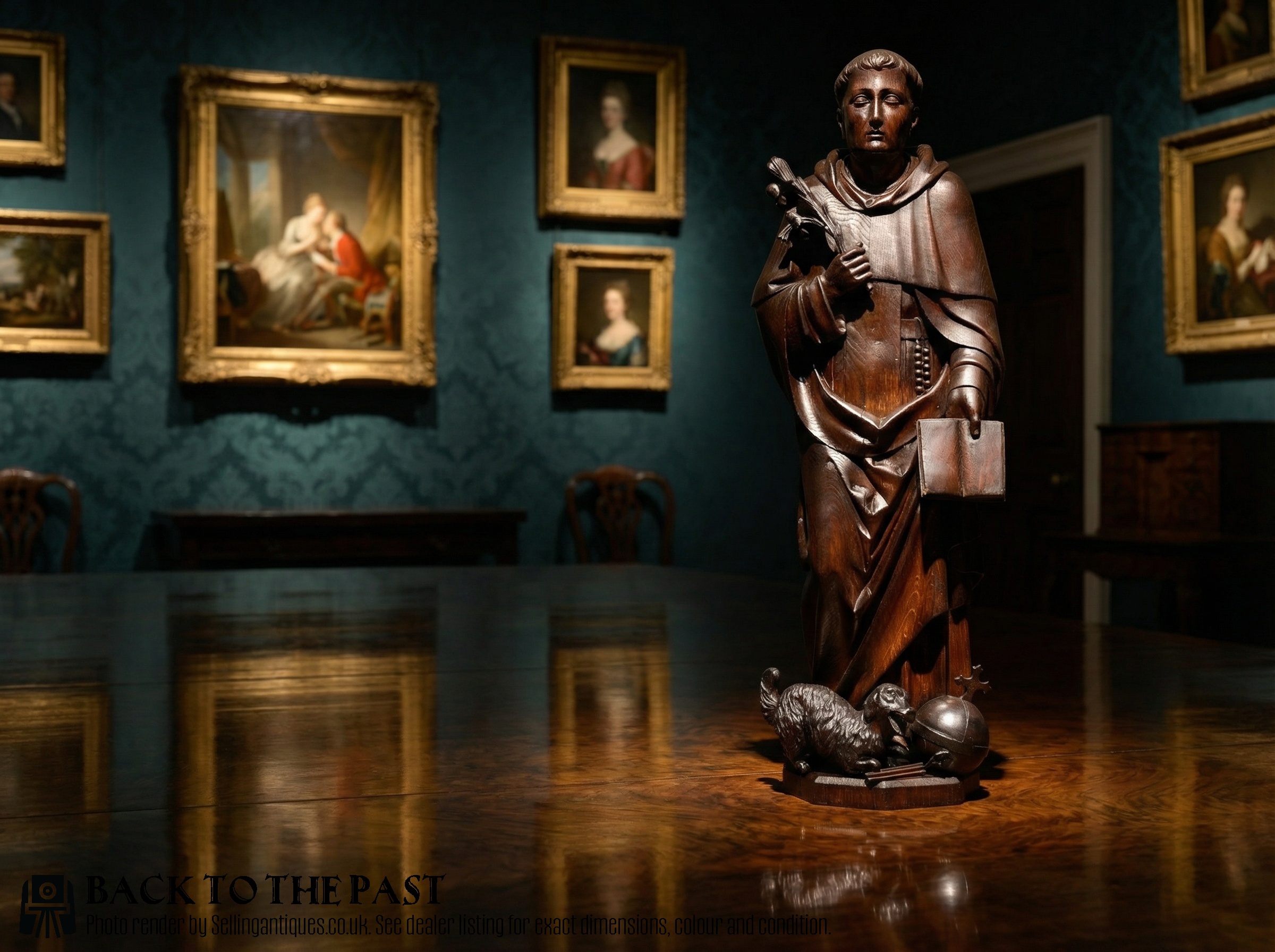
When you search for antique wooden sculpture, you encounter figures, animals, architectural fragments and decorative objects spanning the sixteenth to the twentieth centuries. The selection encompasses European church carvings, folk art, Asian figures and Black Forest animal studies created across diverse global traditions.
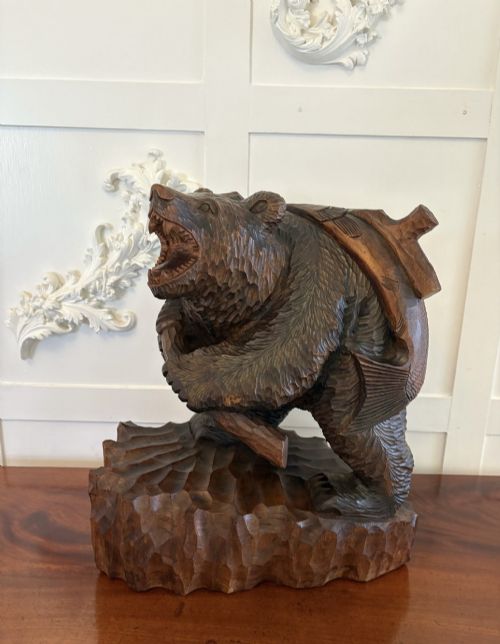
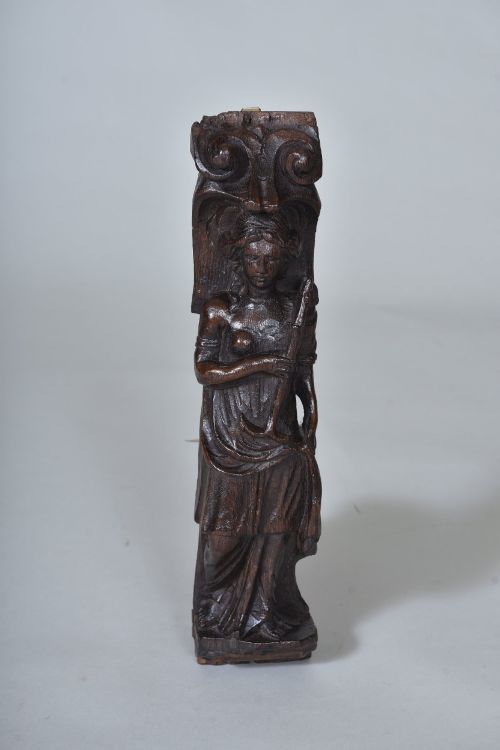
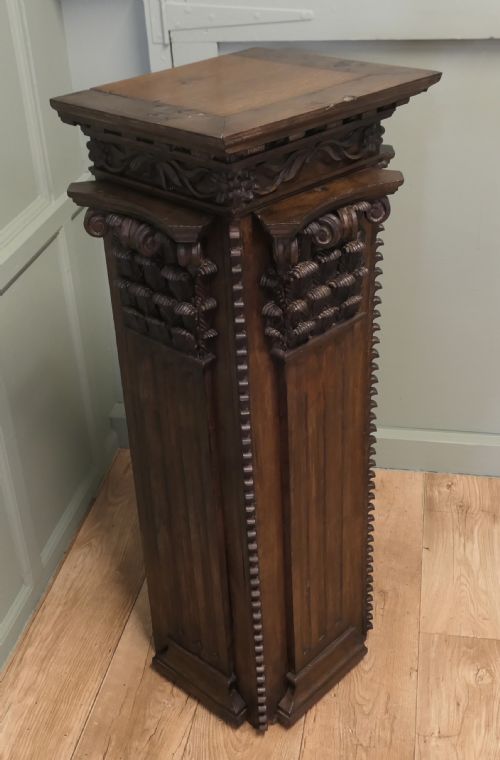
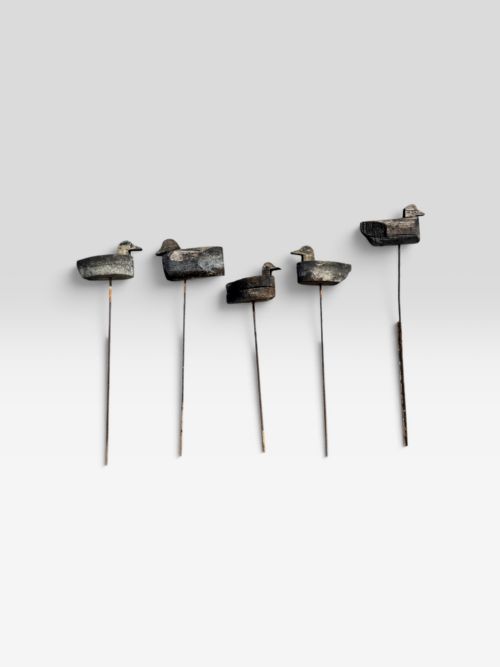
You are most likely to meet nineteenth-century Black Forest studies, eighteenth-century oak carvings and folk art animal figures on this page. These pieces range from substantial architectural pedestals and continental figures to small decorative carvings and painted wooden birds.
Materials and construction
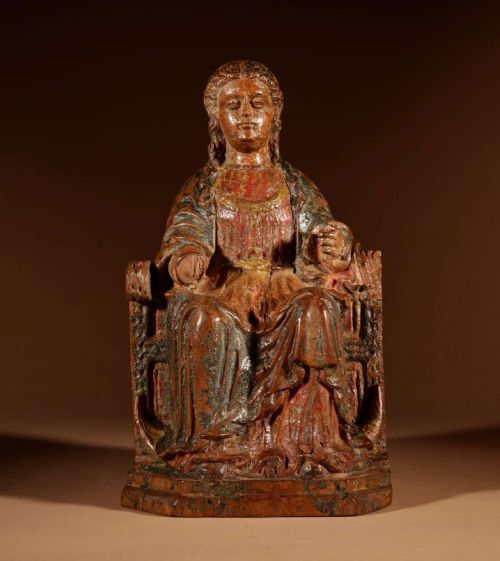
Carvers utilised native hardwoods such as oak, walnut, linden and fruitwood, shaping them with gouges and chisels to capture anatomical and textural detail. Many surfaces remain in natural timber, while others received gesso, gold leaf, or polychrome paint.
The construction methods vary from solid block carving for animal studies and figures to joined timber for architectural panels and pedestals. Certain pieces incorporate applied paint finishes or delicate relief work on wall panels and temple pediments.
Antique Wooden Sculpture Retail Price Guide 2026
Typical asking prices for wooden sculpture among the pieces listed under this phrase on Sellingantiques today, from the lower quarter to the upper quarter. They describe what is for sale here now, not the wider market.
Listings feature carved wood, oak, walnut, paint, gesso, gold leaf, and polychrome across centuries of production.
Distinctions in quality
The standard of a carving rests upon the anatomical precision, depth of relief and fluidity in the handling of timber. Superior examples demonstrate confident toolwork that defines musculature, drapery or fur without stiffness.
The Antique Wooden Sculpture Glossary
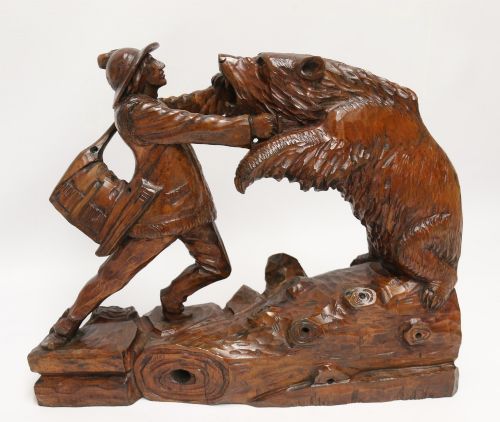
- Black Forest
- A style of wood carving originating in the Brienz region of Switzerland, known for realistic animal studies and whimsical household objects. These pieces typically utilise linden wood and date from the nineteenth and early twentieth centuries.
- Polychrome
- A surface decoration utilising multiple colours of paint applied to wood or gesso. This technique appears on medieval saints and folk art figures.
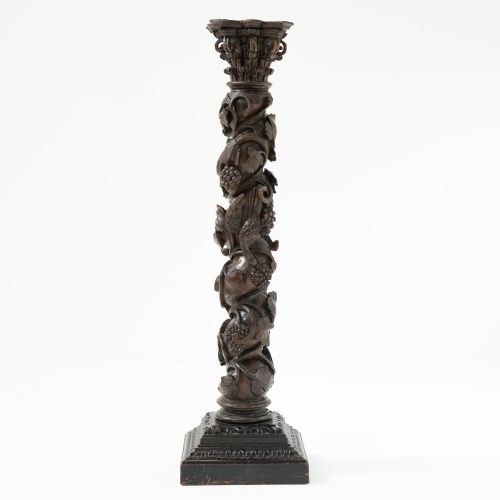
- Solomonic
- A column type characterised by a spiralling twist along the shaft. These architectural supports appear in seventeenth and eighteenth-century continental furniture and pedestals.
- Torchiere
- A tall ornamental stand or candlestick base often carved in wood with figural or scroll supports. Italian Baroque examples frequently incorporate putti.
- Gesso
- A plaster-like mixture applied to wood surfaces as a preparation for gilding or painting. Gilt gesso appears on decorative wings and architectural panels.
Antique Wooden Sculpture: Frequently Asked Questions
How do I date an old wooden sculpture?
Dating relies upon tool marks, timber species, stylistic conventions and the nature of any surface preparation like gesso or paint. Examining the joinery and wear patterns helps determine whether a piece belongs to the seventeenth century or later periods.
Historical context also guides identification, as specific motifs such as Black Forest bears or Qing dynasty figures correspond to defined manufacturing eras.
Where should I place a wooden sculpture at home?
These sculptures suit tabletops, mantels, or dedicated pedestals and columns depending on their scale and original function. Freestanding animal studies and figures command attention in open spaces or on sideboards.
Wall sculptures and architectural fragments mount directly onto plaster surfaces to introduce three-dimensional texture to a room.
How do I care for antique carved wood?
Protect wooden sculptures from direct sunlight and sudden humidity changes to prevent timber from splitting or warping. Dusting gently with a dry, soft brush preserves the original patina and surface finishes.
Avoid applying modern polishes or oils unless recommended for specific painted or gilded surfaces.
What is the difference between folk art and studio carvings?
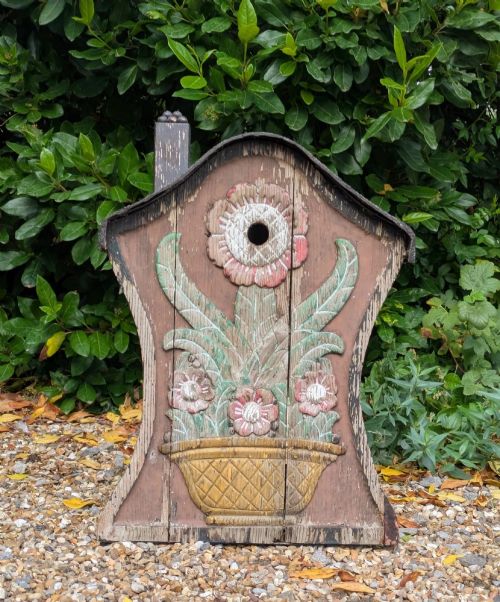
Folk art sculptures, such as decoys and bird boxes, reflect regional traditions and individual maker interpretations rather than academic training. They often display charming simplicity and bold painted surfaces.
Studio or workshop carvings exhibit formal anatomical precision, refined tool technique and adherence to established artistic periods like the Baroque or Art Deco.