




Carved Boxwood Figure
A carved boxwood figure brings incredible detail to a desk or cabinet through dense, warm timber carved with immense patience.
Carved Boxwood Figure
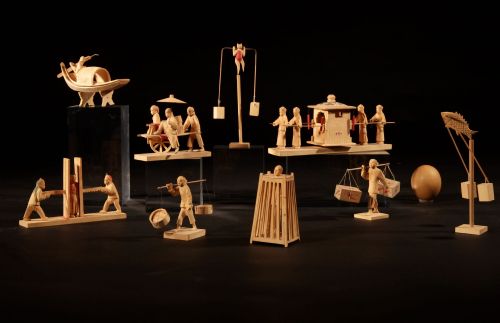
When you search for a carved boxwood figure, you encounter miniature sculptures and larger statuettes produced across various continents and centuries. The selection ranges from devotional figures and mythological deities to playful depictions of daily life and folklore.
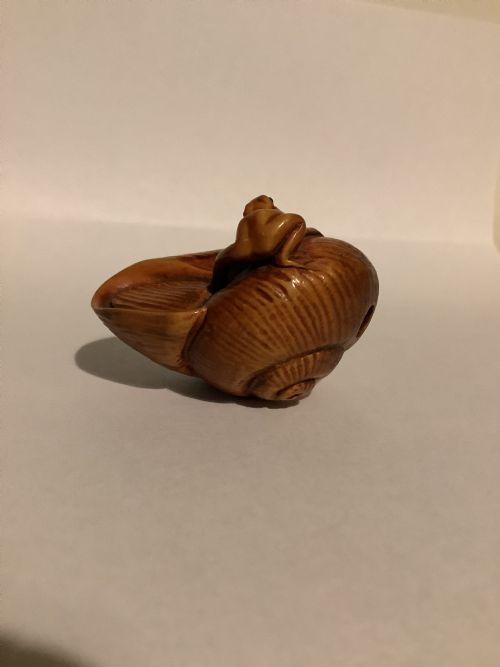
You are most likely to meet Japanese netsuke and okimono alongside Chinese immortals, sages, and German Baroque sculptures. These pieces serve as desk accessories or cabinet items, shaped by traditions spanning the seventeenth century through to the early twentieth century.
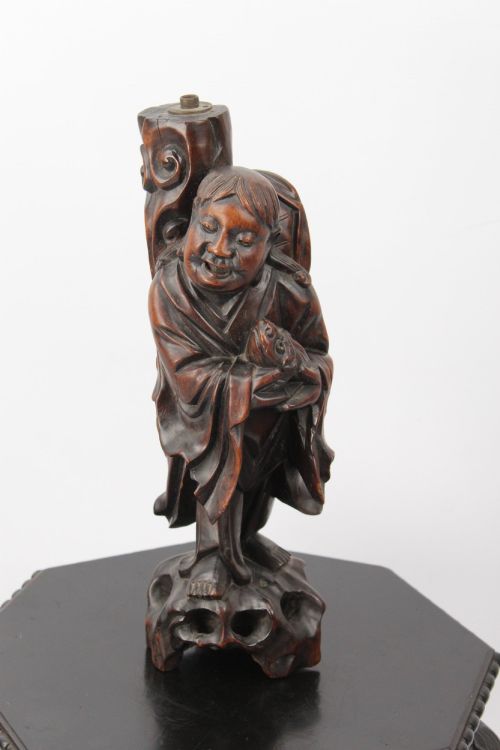
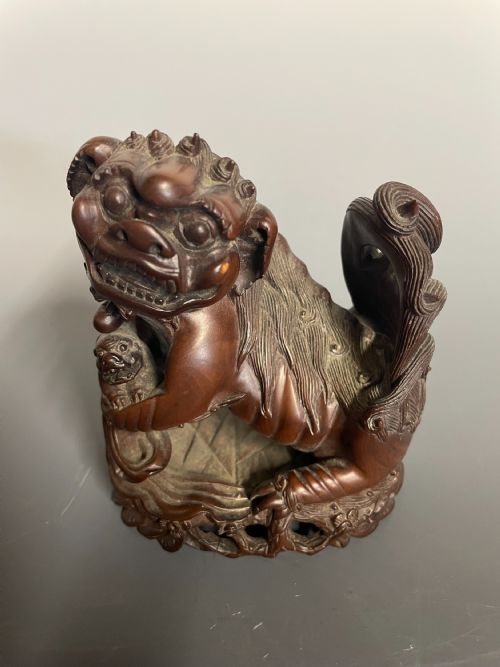
The form encompasses everything from recumbent Buddhas and Foo dogs to deities such as Ebisu and Fukurokuju. Makers utilised the fine grain of boxwood to capture delicate expressions and intricate clothing folds on a remarkably small scale.
How they were made
Carvers shaped dense boxwood using specialised chisels and knives to achieve microscopic detail without splintering the close-grained timber. Some European and Asian examples incorporate contrasting materials like ivory or feature turned wood bases and brass mounts.
The natural pale yellow tone of boxwood is often left unpainted, relying entirely on deep undercut carving and polished surfaces to create contrast and depth. Over decades, handling and light develop a rich golden patina across the exposed wood surfaces.
Several figures depict corpulent sages and reclining Buddhas with remarkably cheerful expressions carved into stubborn boxwood.
What varies in quality
Quality rests entirely on the precision of the carving and the vitality of the subject, distinguishing master carvers from commercial workshops. Superior pieces display crisp facial expressions, correct human or animal proportions, and deep undercutting that creates true three-dimensional presence.
The handling of the timber also dictates the tier of the piece, with finer examples utilising the natural grain to suggest muscle, fabric, or hair. Poor examples feel stiff, lack depth in the folds of drapery, and show blunt tool marks rather than fluid hand-carved execution.
Simon Troger·Tomochika·Masayuki
The Carved Boxwood Figure Glossary
- Boxwood
- A dense, hard, pale yellowish wood prized by carvers for its fine, even grain that allows for minute, splinter-free detail.
- Netsuke
- A small Japanese toggle carved with a cord channel, traditionally used to secure a pouch or small container to a kimono sash.
- Okimono
- A Japanese decorative freestanding sculpture intended for display on a shelf or in a domestic alcove rather than for practical wear.
- Foo dog
- A traditional guardian lion depicted with stylised curls and a powerful stance, commonly rendered in Asian sculpture.
- Corpus Christi
- A representation of the body of Jesus Christ on the cross, frequently executed in carved wood or ivory during earlier European periods.
Carved Boxwood Figure: Frequently Asked Questions
How do I care for boxwood figures?
Keep carved boxwood away from direct sunlight and sudden temperature shifts to prevent the dense timber from splitting. Dust gently with a soft, dry brush and avoid using liquid polishes or oils on the bare wood.
Allow the natural patina to develop over time through gentle handling. Excessive dryness in modern heated rooms can stress old wood, so maintain a stable indoor environment.
Were these figures meant to be handled?
Many Japanese netsuke and okimono were designed to be touched, held, and passed between hands as tactile objects. This regular handling accounts for the warm, glossy patina found on older examples.
Other sculptures, such as European Baroque figures or Chinese altar pieces, were created strictly for visual display on desks or cabinets. Understanding the original function helps explain the degree of wear on the surfaces.
How do I date a boxwood carving?
Dating relies on stylistic clues, costume details, and the depth of the golden patina accumulated across the exposed timber. Carvings from the seventeenth and eighteenth centuries often display different tool marks and subject conventions compared to Meiji period or early twentieth-century works.
Examine the base of the piece for signature cartouches or mounting holes that indicate the period of manufacture. Comparing the style of carving to documented examples from known makers also aids in establishing an accurate timeframe.
Why are some figures signed?
Master carvers in Japan and Europe occasionally signed their work with carved seals or engraved signatures to denote authorship and prestige. A signature often links a piece to a specific school of craftsmanship or an individual artist working within a particular era.
Unsigned pieces remain common and do not necessarily indicate inferior quality, as many fine workshop pieces and folk art items were left unmarked. The merit of the carving itself ultimately determines the standing of the object.