




Scholar Studio Object
These scholar studio object pieces are scholarly implements and desk ornaments designed for contemplation, most commonly met here as carved hardwood brush pots, bronze censers, and jade brush washers.
Scholar Studio Object
A scholar studio object encompasses the traditional implements used by literati scholars for writing, painting, and quiet contemplation. When exploring this category, you encounter items shaped by dynastic traditions and later Victorian interpretations.
The most common forms on this page include brush pots, incense burners, brush washers, and intricate carvings in jade, hardwood, and bronze. These pieces range from functional desk accessories to ornamental stones and display sets.
The physical evidence spans from the sixteenth century through to the early twentieth century, reflecting both Ming and Qing Dynasty aesthetics. Pieces frequently feature naturalistic motifs, figural sculptures, and inscribed studio marks.
Materials and methods
Makers utilised a diverse range of organic and mineral materials, notably hard wood, boxwood, bamboo, buffalo horn, and various grades of jade including celadon and nephrite. Metals such as bronze and brass appear frequently, often enhanced with fire-gilding or gold leaf.
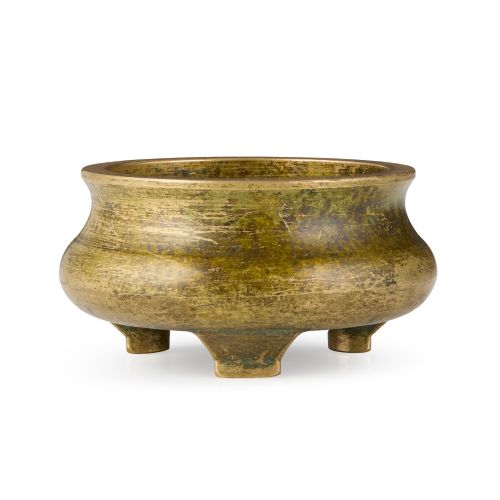
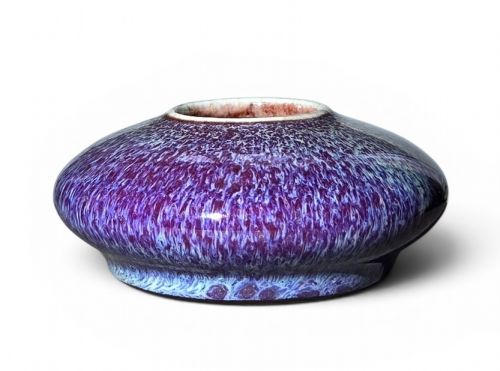
Techniques rely heavily on intricate hand-carving for wood and horn, and solid-casting for bronze pieces like tripod censers and paperweights. Porcelain examples demonstrate fine throwing and glazing methods, including flambé and blue and white finishes.
Listings feature works spanning from the 16th Century to the 1920s, incorporating materials from bronze and nephrite jade to buffalo horn and boxwood.
Judging quality
Quality rests upon the depth and precision of the carving, where naturalistic forms and figural scenes display crisp detail rather than soft execution. Heavyweight bronze castings with fine patina and deliberate fire-gilding stand apart from simpler alloy productions.
The choice and inherent character of the raw material dictate the upper tier of the range, such as flawless pale celadon jade or dense, figured hardwoods and boxwood. Presence of imperial-quality glazes, precise studio marks, and balanced proportions further elevate a piece.
The Scholar Studio Object Glossary
- Bitong
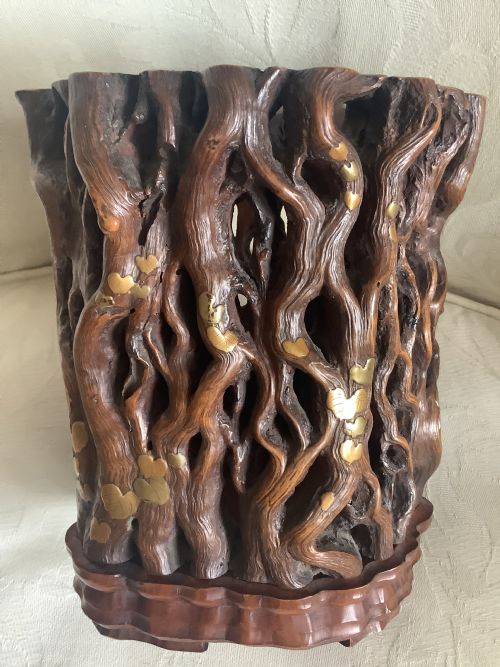
- A cylindrical brush pot used on a scholar's desk to hold writing brushes. These vessels are commonly carved from bamboo, hardwood, or formed in porcelain.
- Censer
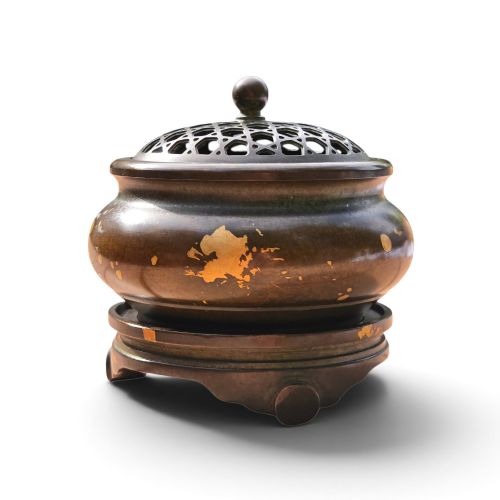
- An incense burner, frequently cast in bronze with tripod supports and fitted covers. They are designed for burning aromatic incense during quiet study.
- Brush washer
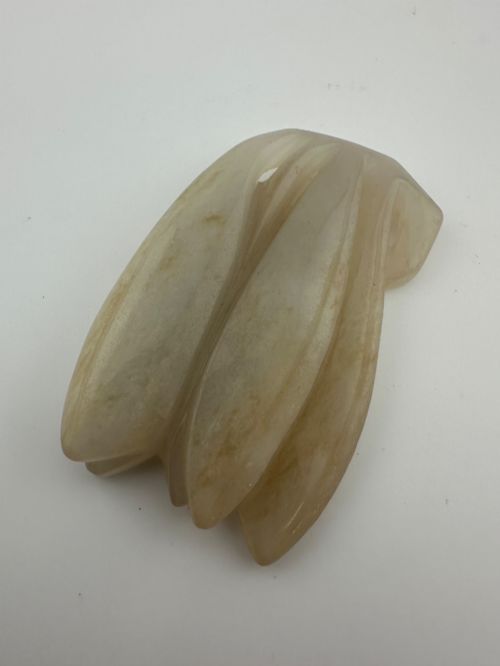
- A vessel used for cleaning writing brushes, appearing in jade, porcelain, and horn. They vary from compressed basin forms to naturalistic shapes.
- Ruyi sceptre
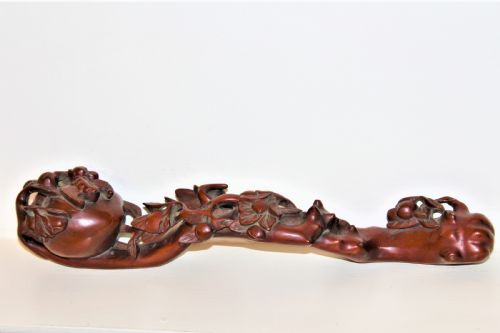
- A decorative S-shaped ceremonial object symbolising power and good fortune. They are often intricately carved from naturalistic boxwood.
- Celadon
- A term for ceramics and jade exhibiting a pale green jade-like glaze or stone colour. It remains a defining aesthetic of traditional Chinese craftsmanship.
- Zhenzhi
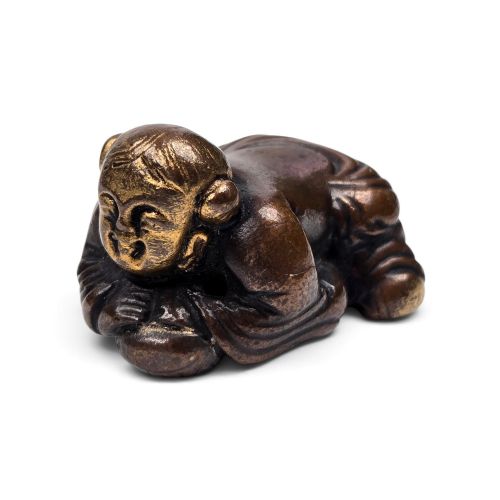
- A specialised paperweight placed on the desk to hold paper flat during calligraphy or painting. They often take figural forms such as reclining boys.
Scholar Studio Object: Frequently Asked Questions
What is a scholar studio object?
These items are traditional tools and decorative pieces used by scholars and literati in East Asian studies. They include implements for writing, burning incense, and meditating.
The category covers a wide array of forms, from functional brush pots and ink stones to carved jade figures and bronze censers, spanning several centuries of production.
How were these objects used?
Scholars used them daily for writing calligraphy, painting scrolls, and burning incense to clear the mind. Each item had a specific purpose in the quiet pursuit of arts and letters.
Desk accessories like brush washers cleaned tools, while paperweights kept rice paper steady. Ornamental stones and sceptres provided visual inspiration during contemplation.
What materials are most common?
Hardwood, bronze, jade, and porcelain dominate the selections found on this page. Artisans also worked with boxwood, bamboo, buffalo horn, and brass.
Organic materials like bamboo and boxwood show intricate hand-carving, while metals and minerals exhibit casting mastery and careful surface patination.
How do I date these pieces?
Dating relies on stylistic evidence, material characteristics, and manufacturing techniques associated with specific dynasties and periods. Pieces range from sixteenth-century Ming examples to nineteenth-century Qing and Victorian works.
Inscriptions, studio marks, and specific glaze types like flambé provide additional clues to the era of manufacture.
How do I care for antique wood and jade?
Keep organic materials away from direct sunlight and extreme humidity changes to prevent splitting. Dust carved wooden surfaces gently with a soft, dry cloth.
Jades and hardstones are more resilient but still benefit from gentle handling and stable environmental conditions. Avoid harsh chemical cleaners on any antique surface.