




Hand Carved Wood Netsuke
These hand carved wood netsuke pieces are small, tactile toggles shaped from boxwood and horn, prized for their intricate detail and historical form.
Hand Carved Wood Netsuke
A hand carved wood netsuke is a traditional Japanese miniature sculpture functioning as a toggle for hanging pouches or small containers from kimono sashes. The selection spans the nineteenth century, including Edwardian examples, alongside Meiji period pieces and Japanese Edo styles.
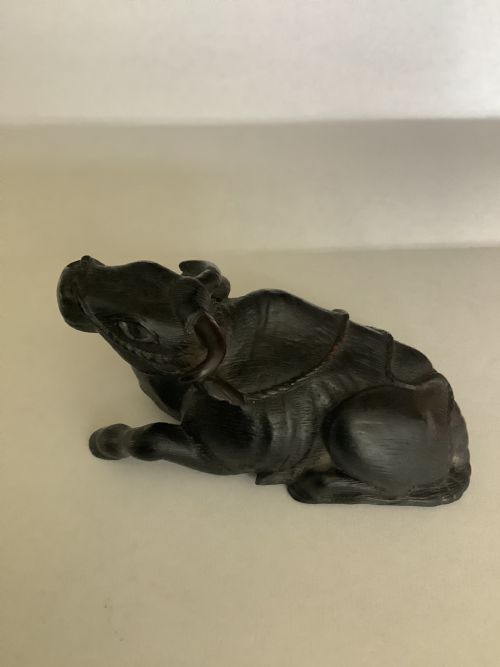
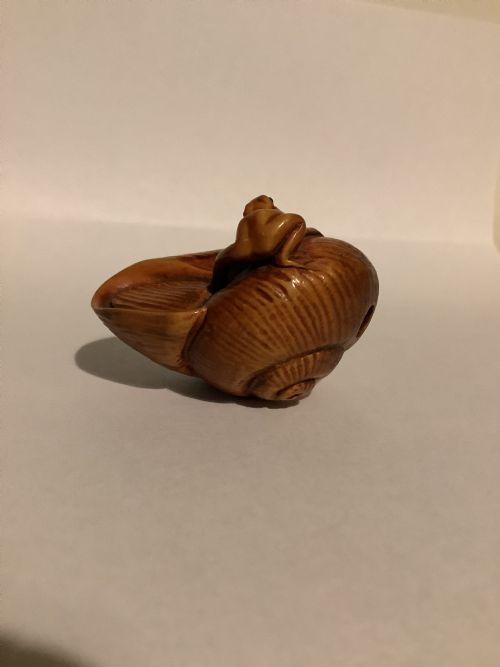
Forms include representations of figures such as a bearded man, a young boy sitting on a ram, animals like frogs, rodents, and rabbits, as well as a cluster of nuts and a sashi netsuke pipe case holder. These organic subjects dominate the offerings, showcasing naturalistic carving traditions.
Most items on this page are carved from boxwood, wood, carved wood, horn, stag antler, and stain. The majority date to the nineteenth century, aligning with Japanese Edo period and Meiji period aesthetics.
How hand carved wood netsuke were made
Carvers utilised boxwood and various exotic woods, working the material with hand tools to achieve fine textures and naturalistic contours. Horn and stag antler also served as mediums for these small sculptures, shaped through meticulous carving.
Signatures appear on select pieces, indicating individual maker involvement alongside traditional Japanese carving methods. Stains were applied to enhance depth and contrast within the wood grain and carved details.
Listings feature boxwood, horn, and stag antler, spanning the nineteenth century through the Edwardian era.
What varies in quality
Quality rests in the precision of the carving, distinguishing deeply detailed figures and animals from simpler forms. Naturalistic anatomical depiction in subjects like frogs, rabbits, and human figures indicates higher artisan skill.
The Hand Carved Wood Netsuke Glossary
- Netsuke
- A small carved toggle used in traditional Japanese dress to secure suspended pouches. These objects combine practical function with miniature sculpture.
- Sashi netsuke
- A long, slender form of netsuke designed to slip directly behind the obi sash rather than toggle above it. This type often secures a pipe case or similar accessory.
- Boxwood
- A dense, pale wood prized by carvers for its fine grain and ability to hold microscopic detail without splintering. It serves as a primary material for nineteenth-century netsuke.
- Okimono
- A Japanese display figurine intended for interior decoration rather than fastening. These pieces share stylistic roots with netsuke but lack cord holes.
- Meiji Period
- A Japanese historical era spanning from eighteen sixty-eight to nineteen twelve characterised by increased trade and highly detailed craftsmanship for export. Pieces from this time show distinct naturalistic influences.
Hand Carved Wood Netsuke: Frequently Asked Questions
What is a hand carved wood netsuke used for?
These small objects functioned as toggles on traditional Japanese kimonos, preventing hanging pouches from slipping.
Today, collectors appreciate them as tactile miniature sculptures that sit comfortably in the hand.
How do I identify a nineteenth-century piece?
Nineteenth-century examples display traditional Japanese Edo and Meiji period styling, often using boxwood or stag antler.
Maker signatures and naturalistic subject matter like rodents, frogs, and human figures help date the carving.
What is a sashi netsuke?
A sashi netsuke is a long, slender toggle designed to tuck vertically behind a sash instead of hanging horizontally.
This specific form often held pipe cases or similar personal accessories.
How should I display a netsuke?
Because these items are tactile, many collectors prefer to handle them or display them on open surfaces where the carving can be viewed from all angles.
Stable indoor conditions away from direct sunlight protect the wood and horn.