






Edo Period Wood Carving
These pieces of edo period wood carving range from intricate boxwood netsuke to large architectural fragments, bringing remarkable Japanese craftsmanship into a modern room.
Edo Period Wood Carving
An edo period wood carving represents a rich tradition of Japanese sculpture, predominantly taking the form of miniature netsuke, figural pipes, and decorative objects. These items served practical daily functions as toggles for kimonos or tobacco containers while displaying masterly artistic skill.
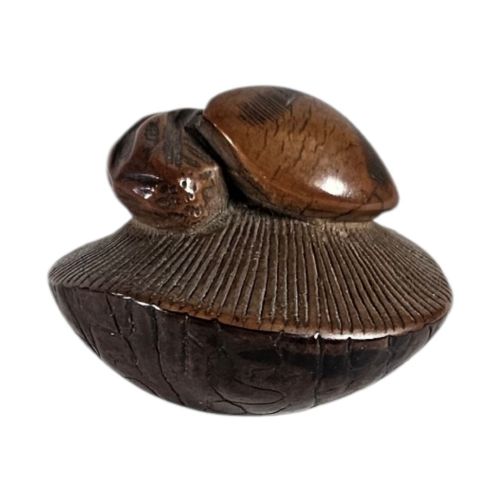
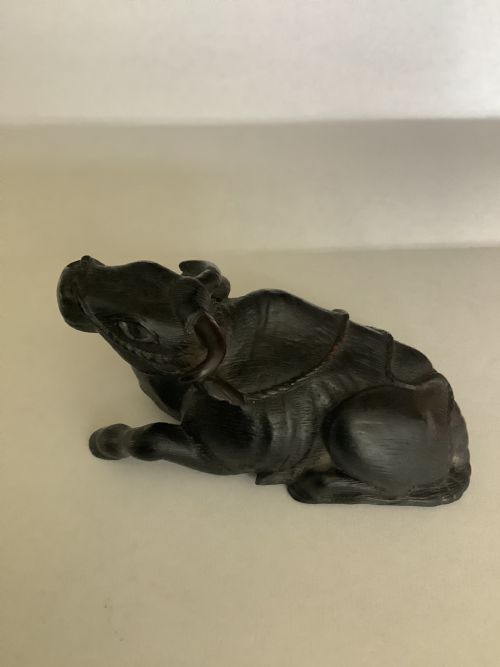
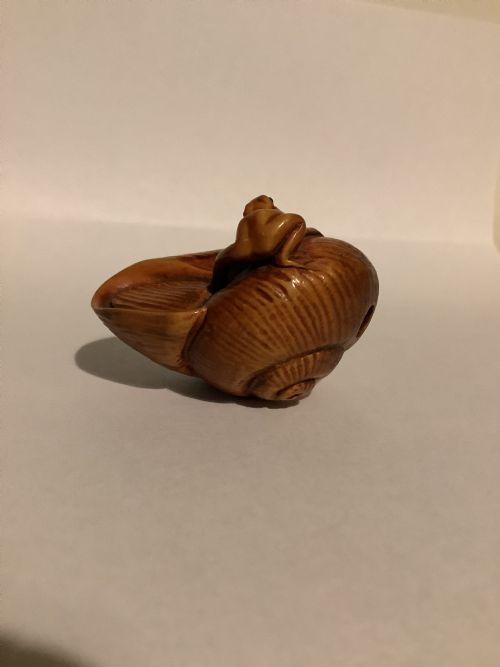
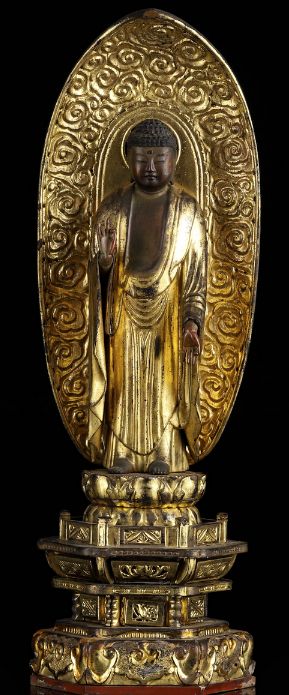
The selection on this page centres on 19th-century works alongside 18th-century examples, capturing subjects ranging from naturalistic animals and mythical figures to religious icons like the Amitabha Buddha. Boxwood dominates the material selection, prized for its dense grain and capacity for microscopic detail.
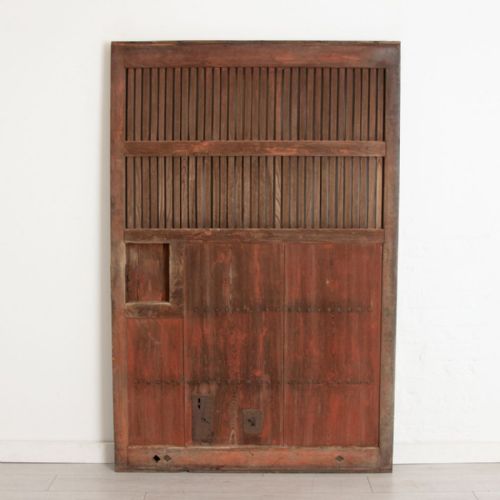
Buyers encounter smaller wearable carvings alongside larger architectural salvage such as storehouse doors, demonstrating the immense scale variation within the category. Each object reflects traditional Japanese aesthetics spanning the Edo and Meiji eras.
What varies in quality
The standard of a carving depends largely on the precision of the anatomical detail and the naturalism of the subject, whether depicting a toad, a snail on a mushroom, or a human figure. Superior examples display depth and dimension that make the tactile surface engaging to hold.
Signed works by recognised makers elevate the status of an object, marking a clear distinction between standard workshop production and master carvers. The integration of contrasting materials like inlaid horn or precious metal accents also elevates the execution.
Object types span netsuke, storehouse doors, tobacciana, and porcelain vases reflecting traditional Japanese design.
Masayuki
The Edo Period Wood Carving Glossary
- Netsuke
- A small carved toggle fastened to the end of a cord on a traditional Japanese hanging pouch. These functional items became miniature sculptures.
- Sashi netsuke
- A long, slender type of toggle slipped directly through the obi sash rather than secured with a cord. They often doubled as pipe case holders.
- Manju kagamibuta
- A round, flat netsuke resembling a traditional cake, frequently fitted with a metal lid over a carved wooden body. They often feature intricate metalwork like champleve cloisonne enamel.
- Tobacciana
- Antiques and collectibles connected to the consumption of tobacco, including pipe holders and tobacco boxes. These often feature humorous or figural carvings.
- Arita Imari
- A style of Japanese porcelain exported to Europe, noted for underglaze blue and overglaze red and gold decoration. Pieces from the 18th century appear alongside wood works.
Edo Period Wood Carving: Frequently Asked Questions
What is an edo period wood carving?
These are traditional Japanese sculptures created during the Edo era, encompassing miniature toggles, masks, and architectural elements. They reflect centuries of skilled woodworking traditions.
Carvers focused on naturalistic depictions of animals, figures, and religious subjects, using dense boxwood and exotic hardwoods.
How were netsuke used?
Netsuke functioned as practical toggles, anchoring hanging containers and pouches to the sash of a traditional Japanese garment. Their weight kept pouches secure while men wore them.
Over time, these utilitarian items evolved into highly collectable miniature sculptures appreciated for their intricate detail and tactile qualities.
How do I care for antique wood carvings?
Keep boxwood and hardwood carvings away from direct sunlight and sudden temperature shifts to prevent the wood from splitting. Gentle dusting with a soft brush preserves the aged patina.
Avoid applying modern polishes or oils, as historic surfaces require minimal intervention to maintain their original finish and character.
How can I tell the period?
Dating relies on stylistic markers, carving techniques, and material wear associated with 18th and 19th-century Japanese craftsmanship. Signatures from recorded makers also help establish a timeline.
Comparing the depth of patina and tool marks provides further insight into whether a piece originates from the Edo period or subsequent eras.