


Oriental Miniature Carving
Oriental miniature carving gathers small-scale works in jade, boxwood and hardstone, prized for microscopic detail and historic hand craftsmanship.
Oriental Miniature Carving
Oriental miniature carving encompasses small-scale sculptures, snuff bottles, table screens and netsuke originating from the 19th and early 20th centuries. These intricate pieces reflect diverse cultural traditions across Chinese and Japanese decorative arts.
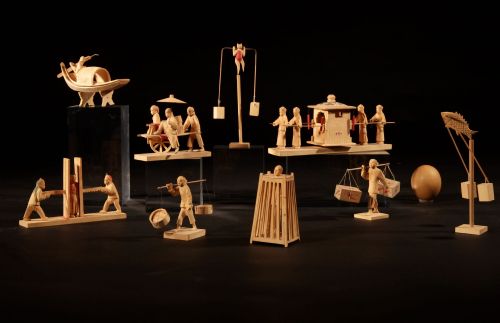
The selections available here range from boxwood netsuke and jade fish sculptures to giltwood figure groups and wood carvings depicting daily life. Collectors will encounter works originating across the Qing Dynasty and Meiji Period.
Table screens, snuff bottles and decorative planters form the core of the physical forms found in this category. Each piece demonstrates a sustained focus on compact design and meticulous surface rendering.
Materials and Construction Techniques
Carvers utilised organic materials including boxwood, bamboo, coral and bone alongside hardstone, jade and mother-of-pearl. These dense substances allowed artisans to execute extremely fine undercutting and microscopic surface relief without compromising structural integrity.
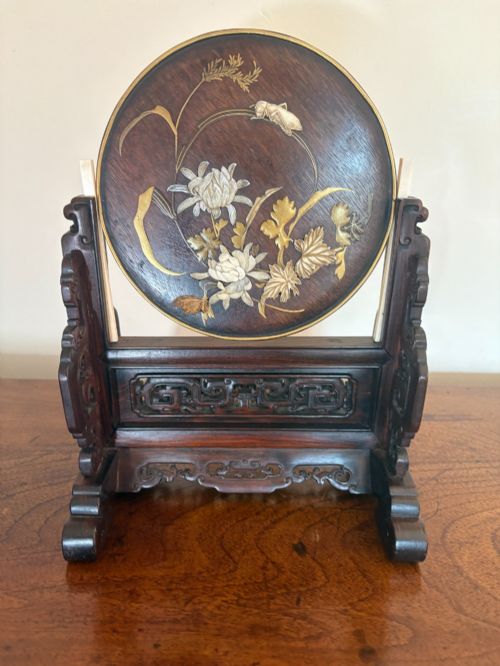
Specialised hand tools enabled the creation of intricate figural groups, netted nut clusters and articulated okimono. Artisans combined reductive carving with careful polishing, gilding and occasional inlay work, as seen in Shibayama screens.
One young boy sits patiently upon a ram while a cluster of nuts hides intricate botanical detailing within a space no larger than your palm.
Assessing Quality and Execution
Quality rests upon the precision of the carving and the natural character of the chosen material, whether high-grade jade, figured boxwood or lustrous mother-of-pearl. Superior works maintain crisp contours and anatomical clarity across the most restricted dimensions.
The sensitivity of the design and the fluidity of the figural composition distinguish accomplished pieces from standard workshop output. Signed examples by established makers carry distinct merit through documented artistry.
Masayuki
The Oriental Miniature Carving Glossary
- Netsuke
- A small carved toggle traditionally fastened to the end of a cord on a traditional Japanese container. These miniature sculptures typically feature figural or animal subjects.
- Okimono
- A Japanese decorative freestanding sculpture designed for display on a household shelf or tokonoma. They are carved from materials such as boxwood and bamboo.
- Shibayama
- A Japanese decorative technique involving the inlay of precious materials like mother-of-pearl, shell, ivory and coral into a wood or lacquer base. This method creates richly textured pictorial panels.
- Table Screen
- A decorative panel supported by an intricate carved stand, displayed upon a desk or table. These screens often combine carved wood frames with silk or hardstone plaques.
Oriental Miniature Carving: Frequently Asked Questions
What is an oriental miniature carving?
An oriental miniature carving is a small-scale decorative or utilitarian object created in East Asia, typically featuring detailed figural, animal or landscape subjects.
These pieces encompass functional items like snuff bottles and toggle fasteners alongside display objects such as table screens and small sculptures.
How were snuff bottles used?
Snuff bottles served as portable containers for powdered tobacco during the Qing Dynasty and subsequent periods.
Owners carried them in pockets or tucked into sashes, extracting small amounts of snuff using a tiny spoon attached to the stopper.
Where should I display a table screen?
Table screens suit placement on desks, bookcases or low tables where their detailed carving and inlaid panels remain visible.
Position them away from direct sunlight and excessive humidity to protect delicate materials like jade, silk and boxwood.
How do I identify a Meiji period piece?
Meiji period works originate from Japan between 1868 and 1912, a time of exceptional technical refinement in decorative arts.
Look for naturalistic subjects, intricate Shibayama inlay work, or signatures associated with Japanese carvers of that era.