



Meiji Period Carving
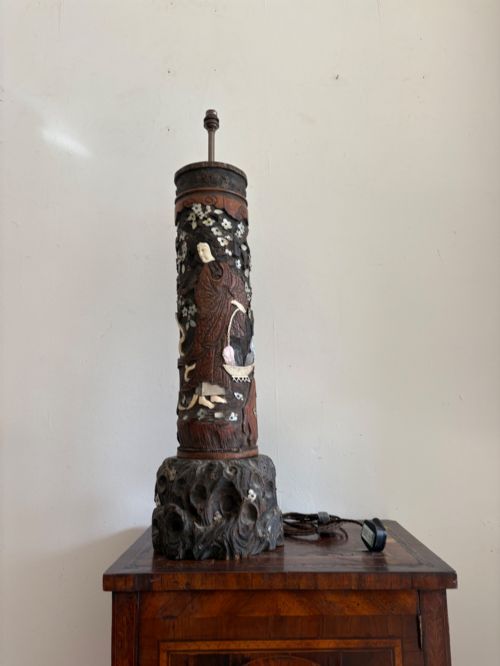
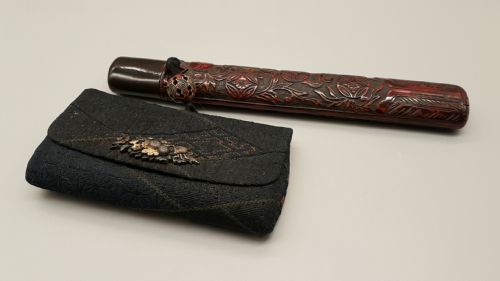
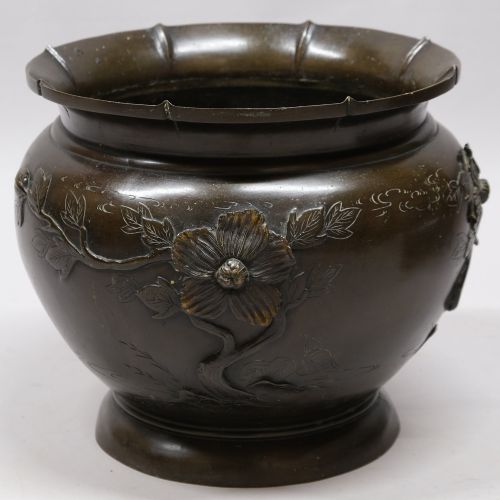
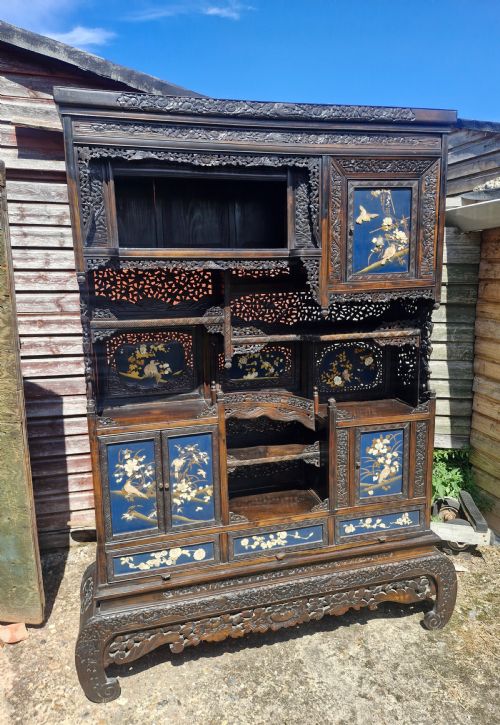
These pieces of meiji period carving bring together intricate ivory, wood, and bronze work from late nineteenth-century Japan.
Meiji Period Carving
When you search for meiji period carving, you encounter a range of sculptural objects originating from Japan between 1868 and 1912. The selection spans miniature netsuke and okimono figures to larger wooden sculptures and decorative vessels.
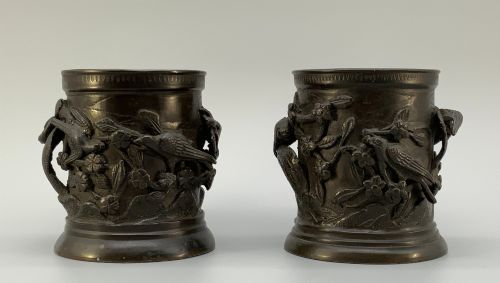
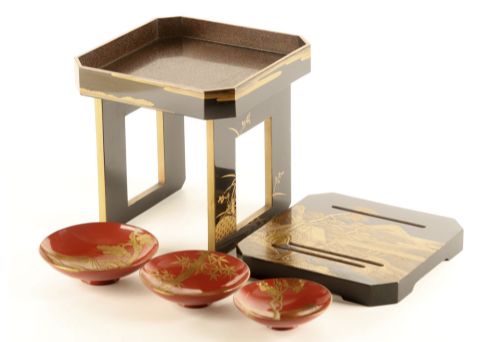
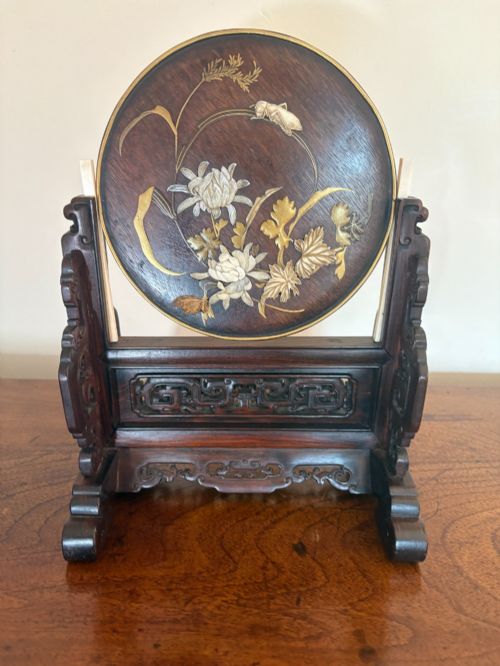
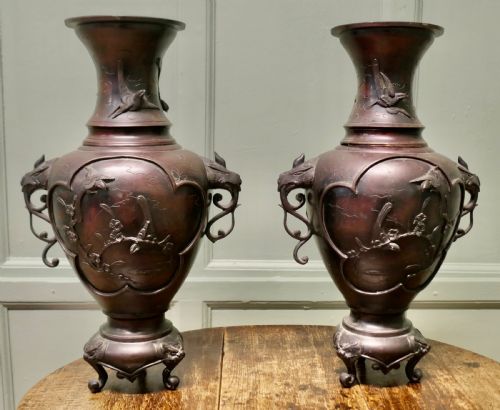
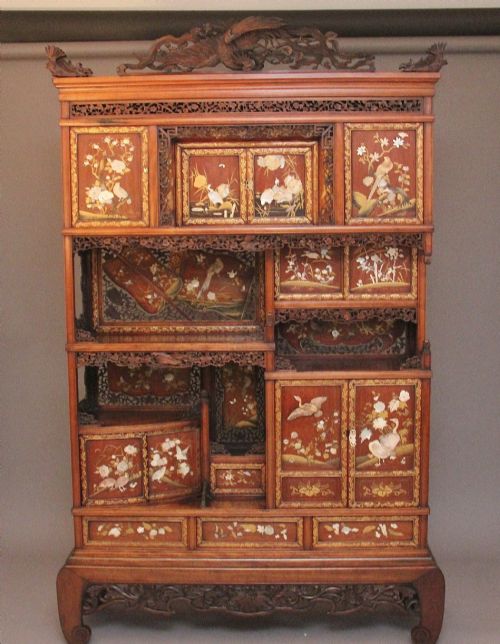
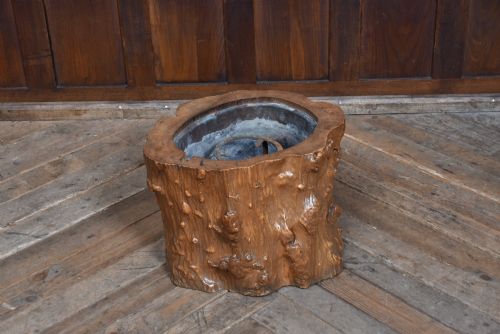
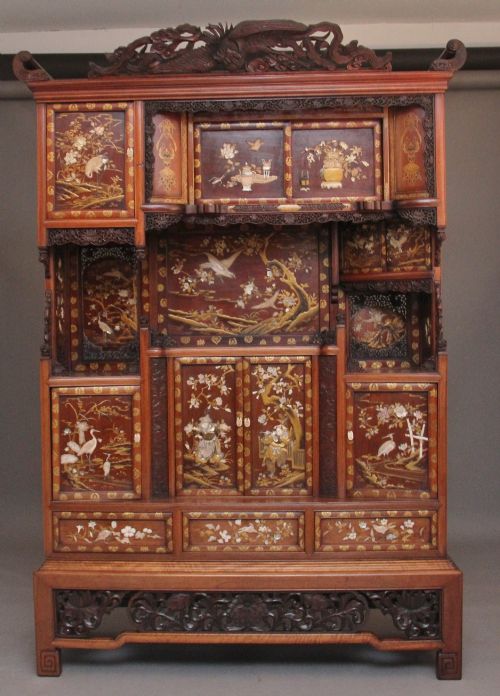
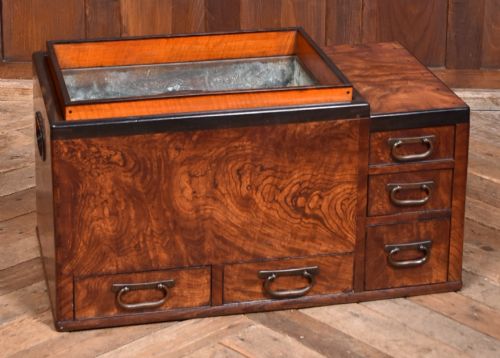
You are most likely to meet intricately worked boxwood and hardwood okimono alongside bronze vases and display cabinets on this page. These forms reflect both traditional domestic shrines and the objects created for export during the rapid opening of Japan to Western markets.
Materials and Working Methods
The makers utilised dense boxwood, stag horn, and exotic hardwoods, shaping them with small chisels and knives to achieve microscopic detail in hair, fabric folds, and facial expressions. Bronze pieces were cast using traditional methods, often incorporating mixed-metal patination and applied mother-of-pearl.
Lacquer techniques such as tsuikoku involved building deep layers of black lacquer that were subsequently carved with landscape scenes and figures. Many smaller items combined organic materials with inlaid bone and horn to create varied textures.
Meiji Period Carving Retail Price Guide 2026
Typical asking prices for meiji period carving among the pieces listed under this phrase on Sellingantiques today, from the lower quarter to the upper quarter. They describe what is for sale here now, not the wider market.
Several carvings depict mischievous demons and legendary figures pausing for quiet reflection.
Assessing the Workmanship
The distinction between standard output and the finest surviving examples rests entirely on the depth of undercut relief and the precision of the carving. Master carvers managed grain and material density so that fingers, animal pelts, and drapery retained a lifelike suppleness.
Signatures by recognised artists or specific schools on netsuke and okimono elevate the standing of a piece. Quality also shows in the restraint of the design, where negative space and natural material figures balance the composition without overcrowding.
Tomochika·Haruyama Shunzan·Masayuki·Kibundo
The Meiji Period Carving Glossary
- Netsuke
- A small carved toggle fastened to the end of a cord attached to a pouch or medicine box. These items were tucked into the sash of a kimono.
- Okimono
- A standalone ornamental carving designed for display on a household shelf or tokonoma alcove. They depict figures, animals, and mythological subjects.
- Shibayama
- A decorative technique employing inlaid mother-of-pearl, shell, ivory, and coral to create pictorial designs on wood or lacquer backgrounds.
- Tsuikoku
- Carved black lacquer built up in thick layers before being deeply incised with figurative or landscape motifs.
- Inro
- A small multi-tiered traditional Japanese case for holding seals or medicines, suspended from the obi by a netsuke.
Meiji Period Carving: Frequently Asked Questions
What is a netsuke used for?
A netsuke served as a counterweight toggle on the end of silk cords attached to traditional hanging pouches and boxes worn with kimono.
Because traditional Japanese garments lacked pockets, these carved objects hung from the sash to secure personal items.
How do I identify Meiji period items?
Meiji pieces date from the reign of Emperor Meiji between 1868 and 1912, a time of significant transition in Japanese craft.
Look for a combination of traditional subject matter executed with heightened naturalism and occasionally artist signatures incised on the base.
What is an okimono?
An okimono is a decorative carving meant purely for display on a shelf, table, or within a formal alcove.
Unlike utilitarian objects, these standalone sculptures focus entirely on figurative or animal subjects intended for quiet contemplation.
How should I care for carved wood?
Keep wooden and ivory carvings away from direct sunlight and sudden temperature shifts to prevent splitting or warping.
Dust them gently with a soft, dry brush and avoid applying modern polishes or cleaning agents to the dry surfaces.