


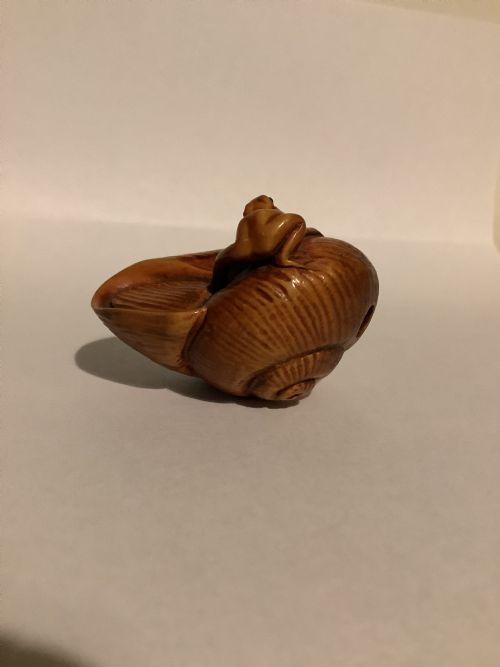


Japanese Carved Netsuke
These Japanese carved netsuke are miniature toggles designed to secure small pouches or boxes to a kimono sash.
Japanese Carved Netsuke
A Japanese carved netsuke serves a traditional utilitarian purpose while displaying remarkable miniature sculpture within its small scale.
Buyers seeking japanese carved netsuke encounter pieces dating from the Edo, Meiji, and Taisho periods.
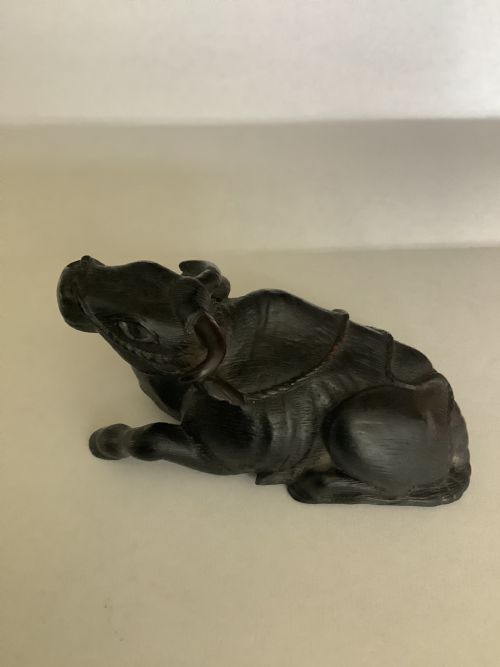
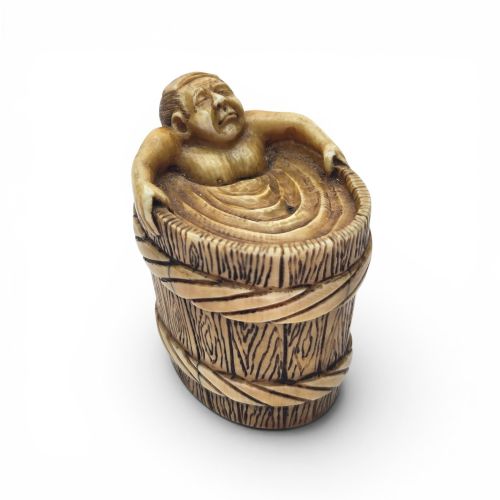
Common subjects include animals, figures, and mythical creatures carved with meticulous attention to detail.
Materials and carving techniques
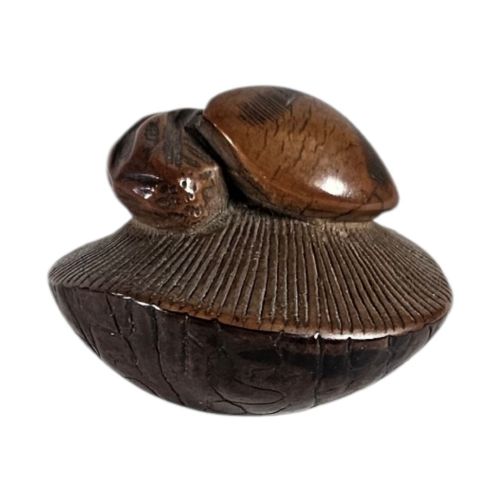
Makers utilised boxwood, various hardwoods, stag antler, horn, and nut to shape these compact objects.
Several animals depicted, including a toad and a snail on a mushroom, show mischievous expressions.
Judging the carving
Quality rests upon the depth of the carving, anatomical precision, and the smoothness resulting from handling.
Signatures by recognised artists and schools elevate the standing of a piece within this category.
Tomochika·Masayuki·Masanao·Masatada
The Japanese Carved Netsuke Glossary
- Netsuke
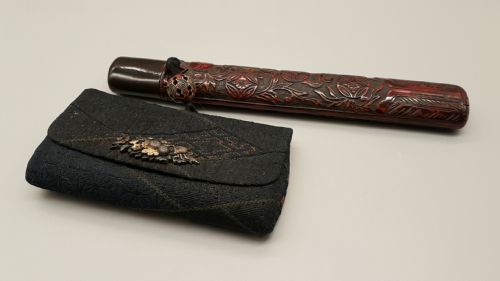
- A small toggle fastened to the end of a cord attached to a suspended pouch or container. It slipped behind the kimono obi to hold the item in place.
- Ojime
- A small beaded bead threaded on the cord between the netsuke and the container to secure the opening. It slides up and down the cord.
- Okimono
- A decorative freestanding figurine intended for display rather than practical use. These objects share the materials and carving styles of netsuke.
- Edo Period
- A historical epoch in Japan spanning from sixteen-o-three to eighteen-sixty-eight. Pieces from this era display traditional forms and subjects.
- Meiji Period
- An era running from eighteen-sixty-eight to nineteen-and-twelve marked by technical proficiency. Sculptures from this time often show heightened naturalism.
Japanese Carved Netsuke: Frequently Asked Questions
What is a japanese carved netsuke?
A japanese carved netsuke is a small sculpted toggle historically used in Japan to suspend personal containers from a sash.
Craftsmen shaped these miniature pieces from materials like boxwood and stag antler for daily utility.
How were they worn?
The cord attached to a tobacco pouch or medicine box ran under the kimono sash and tied to the netsuke.
The toggle rested on top of the fabric to prevent the suspended container from slipping down.
How do I spot an artist signature?
Carvers often inscribed their names or school signatures into the base or flat areas of the sculpture.
These signatures appear as small incised characters carved directly into the wood or antler.
What subjects are common?
Common subjects depict animals from the zodiac, legendary figures, and scenes from daily life.
Artists frequently portrayed frogs, rats, demons, and deities with expressive character.
How do I care for wooden netsuke?
Wooden and boxwood pieces require stable humidity and protection from direct sunlight to prevent cracking.
Occasional handling helps preserve the natural patina developed over decades of use.