





Hand Carved Wood Okimono
These hand carved wood okimono pieces bring intricate Japanese artistry to domestic spaces through detailed figures, animals, and mythological subjects.
Hand Carved Wood Okimono
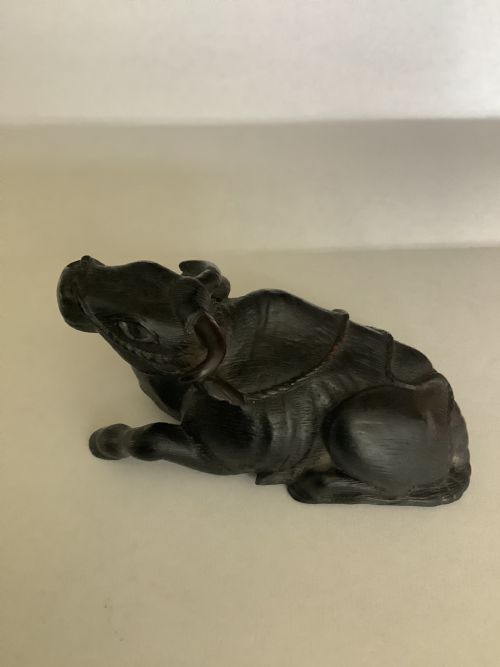
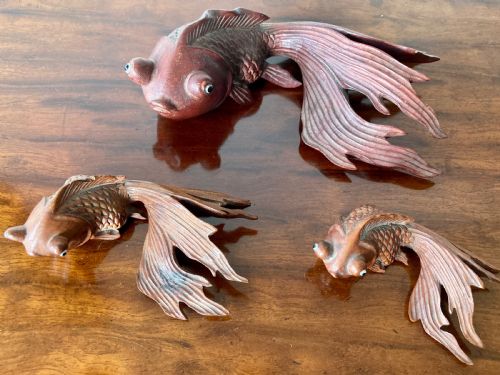
A hand carved wood okimono is a traditional Japanese decorative sculpture designed for display on a shelf or in a tokonoma alcove rather than for wear. The pieces seen here span the nineteenth century, the Meiji period, and the Edwardian era, capturing both human subjects and the natural world.
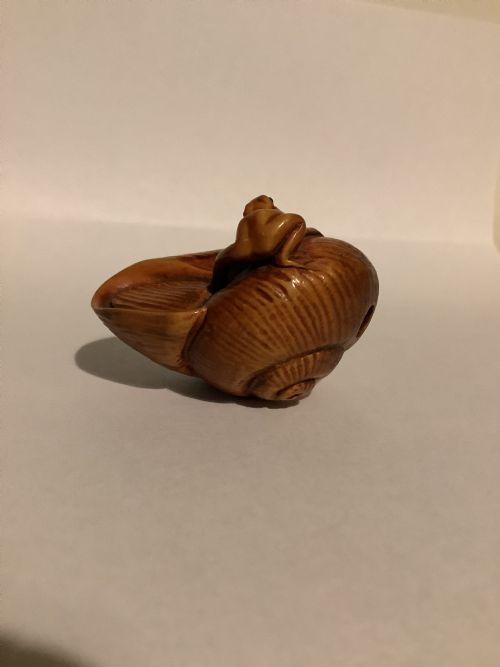
Subjects range from mythological figures such as the god Fukurokuju to animals including tigers, rabbits, rodents, and a young boy with a ram. Alongside standalone okimono, the selection includes related forms such as netsuke and wooden figure clusters.
Originating primarily within Japanese design traditions, these sculptures demonstrate precise miniature carving. Collectors encounter both single animal studies and multi-figure arrangements executed in traditional woods.
How they were made
The makers of these sculptures utilised boxwood and various hardwoods, frequently applying a dark stain to define contours and facial expressions. The natural grain of the wood forms an integral part of the final visual texture.
Carvers employed specialised hand tools to achieve the minute detailing seen in fur, clothing folds, and botanical elements. Many examples incorporate signed inscriptions or signatures directly into the wooden base or underside.
Listings feature items from the nineteenth century, nineteen hundred, the Edwardian era, and eighteen seventy, constructed primarily from boxwood and hardwood.
What varies in quality
The presence of an artist's signature elevates the status of a sculpture. Compositional balance, particularly in complex groups or animal clusters, determines the visual success of the piece.
The Hand Carved Wood Okimono Glossary
- Okimono
- A Japanese ornamental statue or sculpture placed in a room or alcove for display. These objects focus on decorative appeal and subject variety.
- Netsuke
- A small carved toggle used to secure a pouch or container to the sash of a kimono. They share materials and techniques with okimono but serve a functional origin.
- Boxwood
- A dense, pale wood favoured by carvers for its fine grain and ability to hold microscopic detail without splintering. It accepts dark stains effectively.
- Meiji Period
- The era in Japanese history spanning from eighteen sixty-eight to nineteen twelve, noted for the opening of trade and high-level craftsmanship exported to Western markets.
- Fukurokuju
- One of the Seven Gods of Fortune in Japanese mythology, representing wisdom, longevity, and wealth. He is traditionally depicted with an elongated head.
Hand Carved Wood Okimono: Frequently Asked Questions
How do I display them?
These sculptures suit placement on low tables, mantelpieces, or dedicated display cabinets where viewers can examine the carving from multiple angles. Stable surfaces away from direct sunlight and sudden humidity changes protect the wood.
Keep the surrounding area uncluttered so the fine details of the carving remain the focal point of the arrangement.
Are these pieces signed?
Many Japanese wood carvings incorporate signatures or seals carved directly into the underside or back of the piece. These marks identify the individual carver or workshop responsible.
Unsigned examples remain common and reflect the high general standard of nineteenth-century production rather than a lack of quality.
How do I clean wooden okimono?
Dust the surface gently using a soft, dry artist's brush or a lint-free cloth. Avoid water, liquid polishes, and harsh cleaning agents that can penetrate the grain and damage the wood or dark stain.
Routine dry dusting prevents particulate accumulation in the recessed carving lines without altering the patina.