


Carved Wooden Animal Figurine
These carved wooden animal figurine selections bring domestic charm and regional craft into a room through natural materials and skilled handwork.
Carved Wooden Animal Figurine
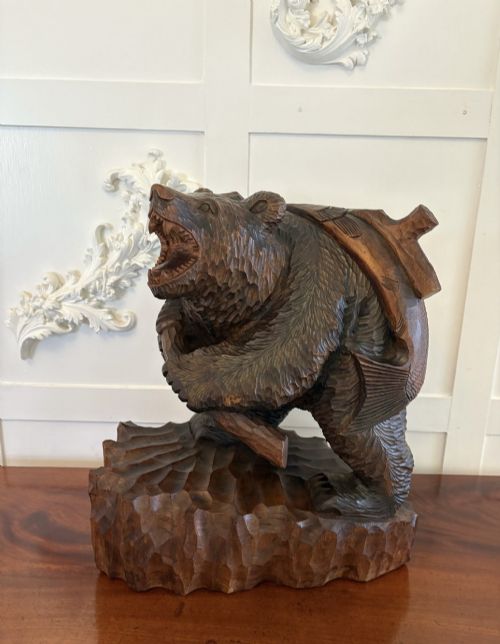
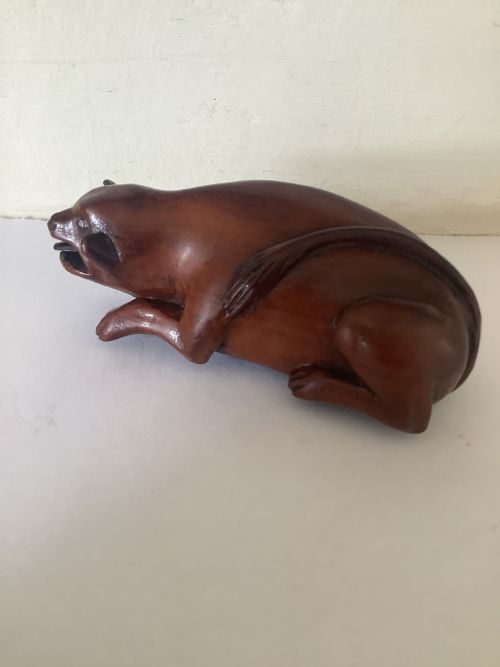
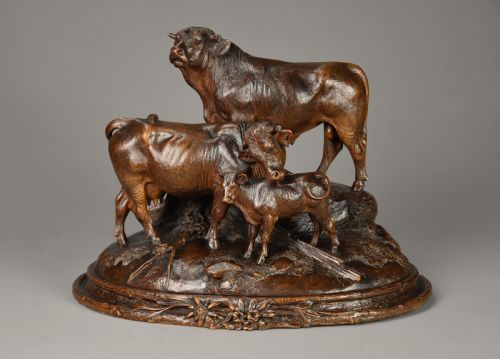
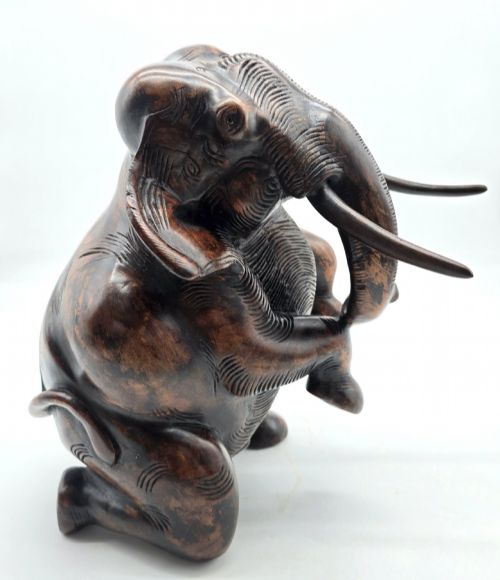
A carved wooden animal figurine represents living creatures rendered in timber, ranging from European bears and cattle to Asian elephants and tigers. When examining a carved wooden animal figurine on this page, buyers frequently encounter subjects originating from European Black Forest workshops, Japanese carvers, and Indian Raj period studios.
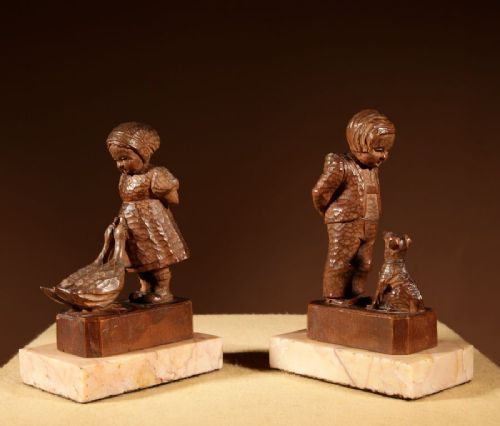
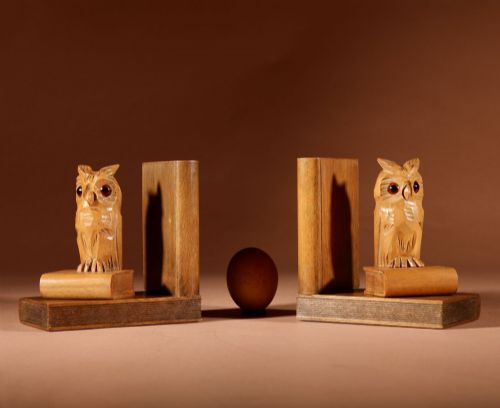
The objects appear as single sculptures, pairs of bookends, snuff boxes, and small okimono. Dating stretches from the nineteenth century through the art deco decades of the twentieth century, utilising regional timber species.
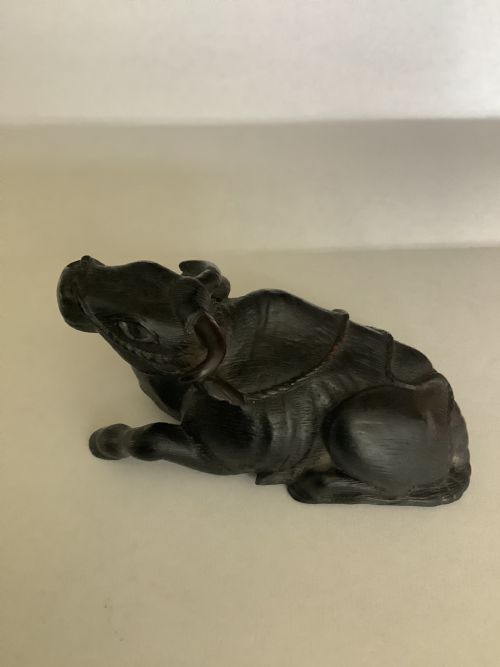
Makers span diverse cultural traditions, including Swiss woodcarvers, Japanese folk artists, and craftsmen working in ebony or teak across colonial India. Each geographic origin brings distinct anatomical conventions and surface finishes to the finished carving.
Materials and methods
Carvers shaped these animals from linden wood, walnut, teak, limewood, and dense ebony using specialised chisels and gouges. Softer timbers like linden allowed for deep fur texturing and expressive facial details, whilst hardwoods provided resilience for detailed miniature studies.
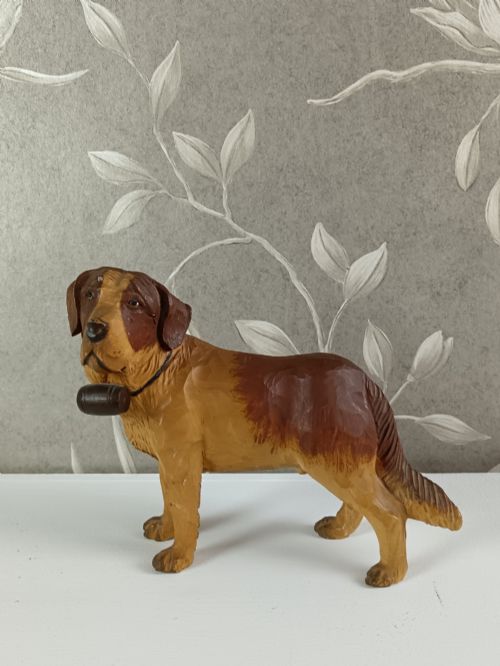
Surfaces received various treatments, from natural wax polishes highlighting the grain to painted details and inlaid stud eyes. Some works incorporated contrasting materials, combining carved wood with bone or brass elements to delineate tusks, horns, or structural mounts.
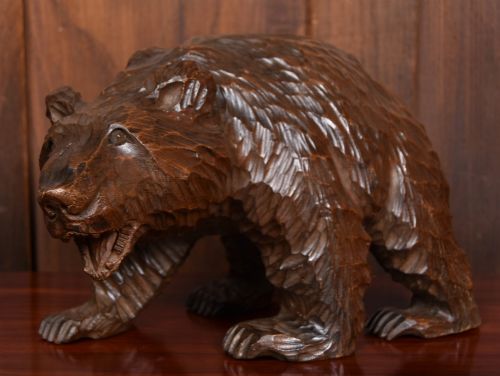
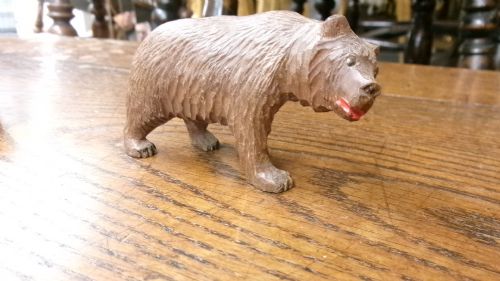
An assortment of miniature bears stands ready to guard your desk.
Assessing quality in carved animal sculptures
Anatomical proportion and confident tool work distinguish superior carvings from simpler naive pieces. Master carvers captured tension in a panther's stride or the gentle weight of cattle with deliberate, clean cuts that left minimal need for heavy sanding.
The choice of medium also dictates refinement, as dense hardwoods and fine-grained linden timbers permitted sharper relief and more durable extremities. Signed pieces and documented workshops demonstrate higher standards of design conception than anonymous workshop output.
J Huggler·Laszlo Hoenig
The Carved Wooden Animal Figurine Glossary
- Black Forest
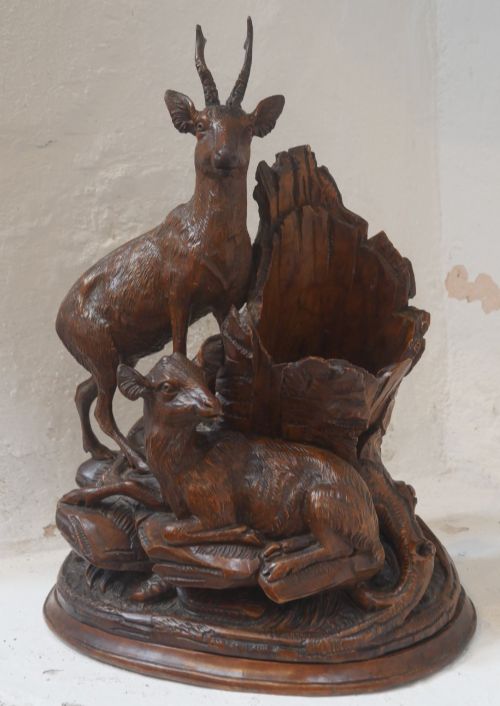
- A regional style of woodcarving originating from the mountainous areas of central Europe. Pieces typically depict local wildlife such as bears, deer, and cattle in naturalistic poses.
- Okimono
- A Japanese freestanding ornamental carving intended for display in a traditional interior. These objects frequently portray animals, rodents, or figures with exceptional anatomical precision.
- Netsuke
- A small Japanese carved toggle used to secure a pouch or small container to a traditional kimono sash. They display minute craftsmanship across various animal and human subjects.
- Linden wood
- A pale, close-grained timber favoured by European carvers for its uniform texture and lack of prominent grain. It permits intricate undercutting without splintering.
- Raj period
- An era of British administration in India associated with distinct hardwood furniture and animal studies. Local carvers produced detailed elephants and reptiles from dense timbers such as teak and ebony.
Carved Wooden Animal Figurine: Frequently Asked Questions
How do I identify Black Forest carvings?
Black Forest carvings are typically rendered in linden wood or walnut and depict European woodland animals with expressive, lifelike postures. Common motifs include bears holding objects, stags, and cattle groups.
Many bear pieces originated in Swiss and German villages during the nineteenth century, often displaying characteristic dark wax finishes and glass or carved stud eyes.
Where were Japanese animal sculptures made?
Japanese animal sculptures on this page include traditional okimono and netsuke produced during the nineteenth century. These objects reflect precise folk art traditions and meticulous attention to animal behaviour.
Carvers utilised fine boxwood and other local timbers to render rodents, tigers, and bears with smooth contours and polished surfaces intended for close inspection.
How should I clean wooden animal figures?
Dust these carvings gently with a soft, dry brush to prevent dirt accumulation in the carved recesses and textured fur lines. Avoid using water, harsh detergents, or modern chemical polishes on antique timber.
An occasional application of microcrystalline wax can help nourish dry wood surfaces and maintain the natural lustre of nineteenth-century finishes without harming the patina.