


Dark Wood Novelty Box
These dark wood novelty box pieces are miniature carved containers and small wooden curiosities that bring curious 19th century folk art charm to a desk or mantelpiece.
Dark Wood Novelty Box
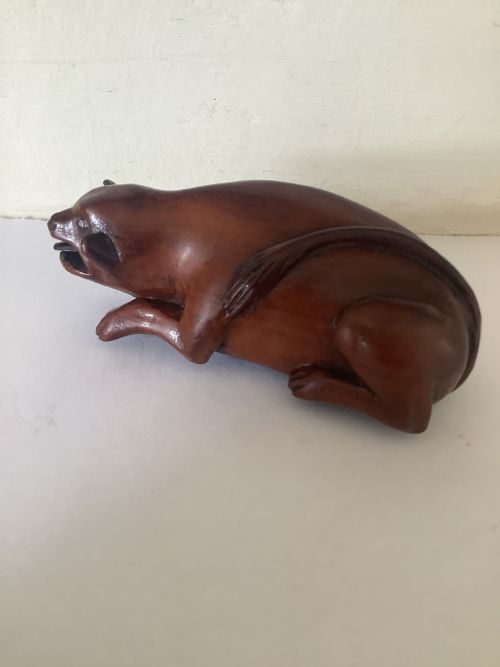
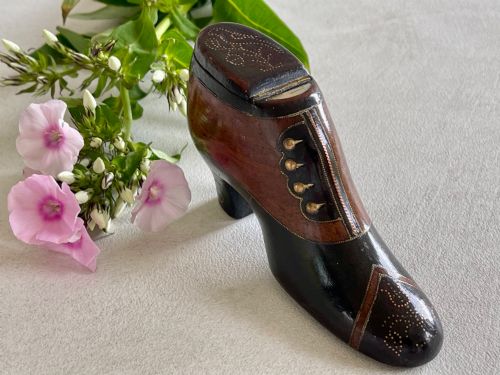
When you search for a dark wood novelty box, you encounter small carved containers and treen items shaped like shoes, animals, and everyday objects. These pieces date predominantly from the 19th century and the Victorian era, showcasing imaginative domestic woodwork.
The selection on this page includes snuff boxes, nutmeg graters, cigar humidors, and trinket boxes fashioned from timber, hardwood, and burr walnut. Many take whimsical forms such as horses' heads, wine bottles, and ladies' feet in open-toed shoes.
Makers often drew inspiration from folk art traditions, Swiss decorative styles, and Georgian treen craftsmanship. Each dark wood novelty box serves as a tactile container designed for practical use or display.
How they were made
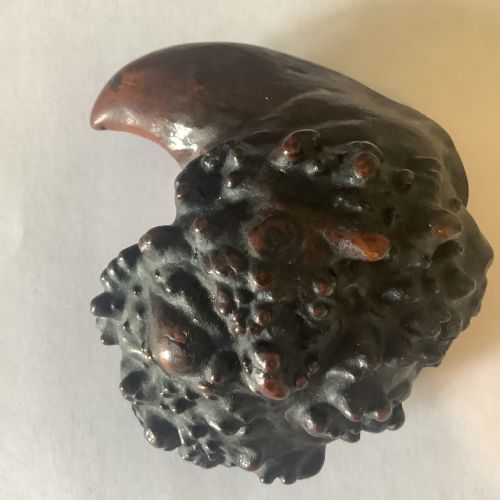
Craftsmen utilised various hardwoods, including burr walnut and rosewood, carved by hand to capture intricate anatomical and geometric details. Natural grain patterns and rich deep patinas define the surfaces of these carved wooden objects.
Decoration often involved brass wire, brass pique work foliage and flowers, silver mounts, bone, and marquetry inlay. These contrasting materials highlight lids, clasps, and compartments on snuff boxes and small chests.
What varies in quality
The condition and survival of delicate embellishments, including inlaid brass pique work and silver mounts, influence the character of each piece. A well-preserved surface patina enhances the visual depth of the timber.
The Dark Wood Novelty Box Glossary
- Treen
- Small handmade wooden domestic objects. These functional items range from kitchenalia to personal accessories.
- Snuff box
- A small container used for holding finely ground tobacco. Many examples feature hinged lids and novelty shapes.
- Pique work
- Inlaid decoration using tiny points of metal or wire. This technique creates delicate floral and geometric patterns on wood.
- Burr walnut
- Wood taken from a tree growth with distorted grain. It produces rich and swirling patterns highly valued for decorative boxes.
- Humidor
- A moisture-controlled box designed for storing cigars. Victorian examples often feature elaborate hand-carved wooden lids.
Dark Wood Novelty Box: Frequently Asked Questions
What were dark wood novelty boxes used for?
These small containers primarily held snuff, nutmeg, or cigars for personal daily use. Their unusual shapes also served as conversation pieces in 19th-century domestic settings.
Over time, many transitioned from utilitarian pocket items into decorative display curiosities collected for their whimsical designs.
How do I care for antique wooden boxes?
Keep wooden boxes away from direct sunlight and sudden temperature shifts to protect the natural timber and prevent warping. Occasional gentle dusting preserves the historic surface patina.
Avoid using harsh modern polishes or water on carved surfaces, particularly where brass wire or bone inlay is present.
Are these boxes made from solid wood?
Most examples utilise solid hardwoods, timber, or burr walnut shaped through carving or turned on a lathe. Natural flaws and grain variations often dictate the final sculptural form of the piece.
Inlays of bone, brass, or silver are embedded directly into the wooden body to add decorative contrast.
How can I tell the period of a novelty box?
Dating relies on stylistic clues such as folk art motifs, Georgian treen construction methods, and Victorian decorative preferences. Materials like brass pique work and specific hinge types also point towards the 19th century.
Inscribed dates or hallmarks on silver mounts sometimes provide a precise year of origin.