




Folk Art Wooden Collectible
When you search for folk art wooden collectible, you enter a world of hand-carved treen, maritime dioramas and utilitarian objects shaped by makers from the Georgian era through to the early twentieth century.
Folk Art Wooden Collectible
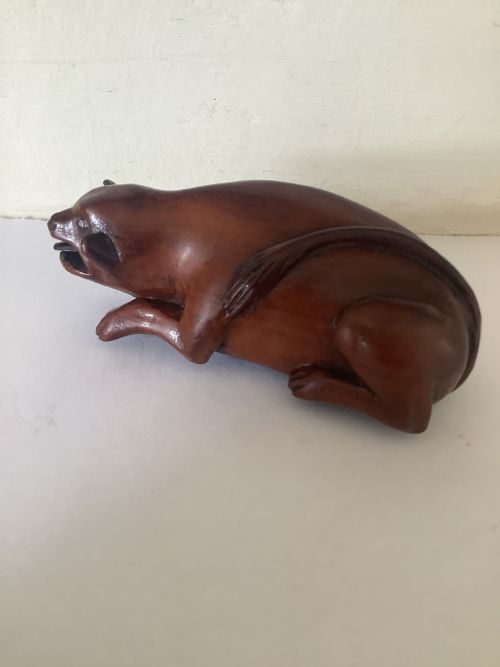
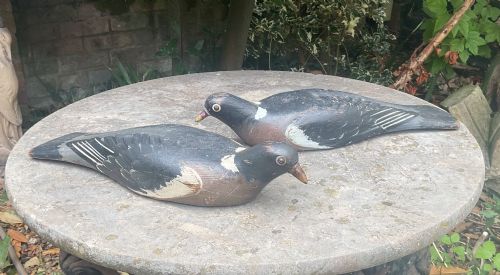
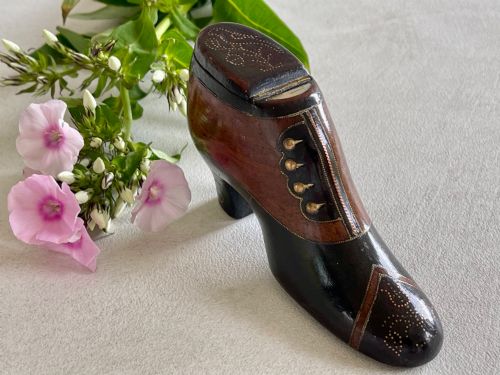
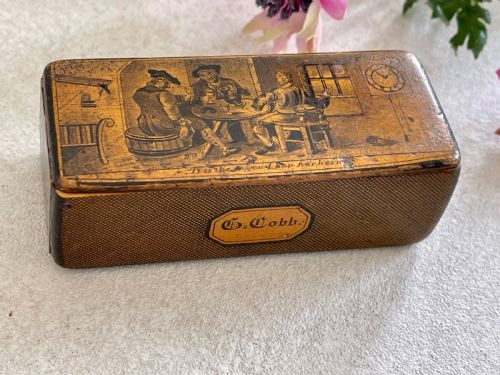
The objects frequently encountered on this page include carved snuff boxes shaped like shoes, horses' heads and ladies' feet, alongside carved wooden decoy pigeons, ducks and loons. You will also find treen items such as nutcrackers, knitting sheaths, lace folders and children's rattles, all bearing the distinctive marks of individual handcraft.
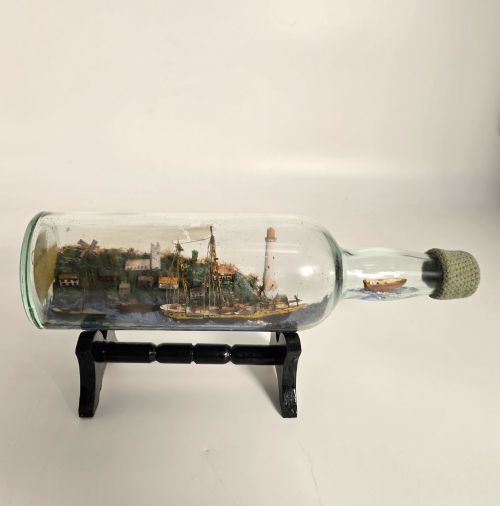
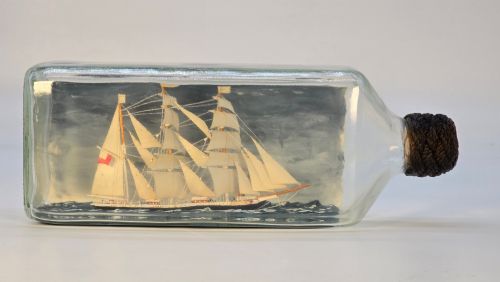
Maritime influences run strongly through the selection, represented by sailors' fids, scratch-built model ships, and detailed ship in a bottle dioramas mounted on wooden plinths. These pieces bridge the gap between domestic treen and nautical folk art, showing the broad scope of vernacular wooden objects.
Materials and methods
Makers utilised a variety of woods available locally, selecting durable materials such as hard wood, fruitwood, sycamore, rosewood and general timber for their projects. These timbers were then shaped using traditional hand tools, resulting in surfaces that often display the direct marks of the carver's knife.
Paint and pen work were frequently applied to enhance the carved forms, particularly on decoy birds, nautical pieces and decorative objects. Details like putty and glass appear in specific contexts, such as sealing maritime dioramas within bottles to protect the delicate model ships inside.
Materials recorded across the selection include painted wood, hardwood, fruitwood, sycamore, rosewood, glass and putty.
Assessing quality in vernacular carving
Quality in these wooden pieces rests upon the confidence of the carving and the expressiveness of the form, whether the object is a realistically modelled animal or a fanciful shoe snuff box. Stronger pieces display a deliberate hand where proportion and detail work together, rather than rigid symmetry.
The retention of original surface finishes, such as aged paint or rich patination on fruitwood and sycamore, elevates an object. Honest handling wear tells the history of the piece without obscuring the original maker's intent.
G Cobb
The Folk Art Wooden Collectible Glossary
- Treen
- Small handmade wooden objects for domestic and personal use. The word derives from the old term for tree.
- Diorama
- A three-dimensional scene built within an enclosure, commonly seen here as model ships constructed inside glass bottles.
- Fid
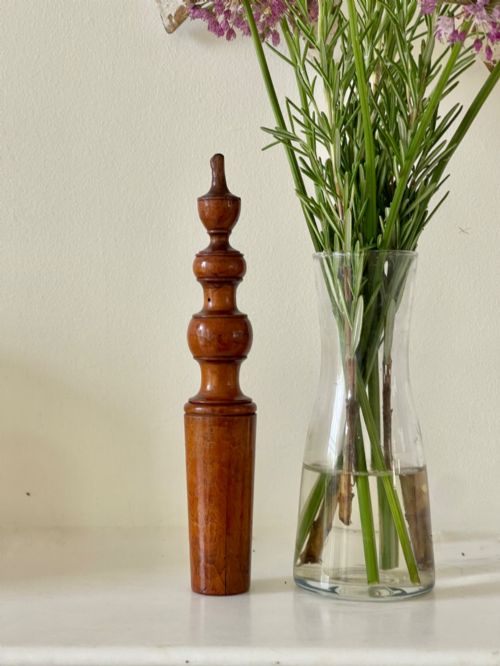
- A conical wooden tool used by sailors for splicing rope. They were often turned from dense woods like rosewood.
- Knitting sheath
- A traditional device tucked into a belt to hold a knitting needle steady during work. Durham examples are notable vernacular forms.
- Butter print
- A carved wooden stamp used to impress decorative motifs such as acorns and wheat into pats of butter.
Folk Art Wooden Collectible: Frequently Asked Questions
What is treen?
Treen refers to small, functional wooden items made for everyday domestic use before the era of mass production. These include items like butter prints, lace folders and nutcrackers.
Collectors prize treen for the warmth of the wood and the evident skill of the person who shaped it with simple hand tools.
How were ship in a bottle dioramas made?
Makers constructed the model ships with hinged masts that folded flat so the vessel could pass through the narrow neck of a bottle. Once inside, strings attached to the masts pulled them upright and locked them into place.
Additional elements like wooden plinths and painted backgrounds completed the maritime scene, sealing a miniature world behind glass.
What are shoe snuff boxes?
Shoe snuff boxes are small pocket containers carved in the shape of footwear, often featuring double openings, sliding lids or carved details like birds. They were used to hold powdered tobacco during the eighteenth and nineteenth centuries.
Carvers delighted in turning a simple personal accessory into a sculptural canvas, sometimes shaping them as ladies' feet in open-toed shoes.
How do I care for antique wooden pieces?
Keep wooden collectibles away from direct sunlight and sudden temperature changes, which can cause the timber to dry out or split. Maintain a stable indoor environment to preserve the natural patination and any original paint.
Dust the pieces gently with a dry, soft cloth and avoid applying modern polishes or oils that might alter the historic surface.