




Japanese Wood Netsuke Sculpture
These Japanese wood netsuke sculpture pieces are small, tactile toggles and carvings designed to fasten traditional garments, prized for their intricate detail and historical craftsmanship.
Japanese Wood Netsuke Sculpture
When searching for japanese wood netsuke sculpture, you encounter miniature carvings primarily created as functional toggles for kimono sashes during the nineteenth century. These items include traditional depictions of animals, mythical figures, and daily scenes shaped by skilled carvers.
The selections on this page span the Edo and Meiji periods, showcasing both standard netsuke forms and larger okimono figurines. Most pieces you meet here utilise boxwood or alternative carved woods, often bearing artist signatures.
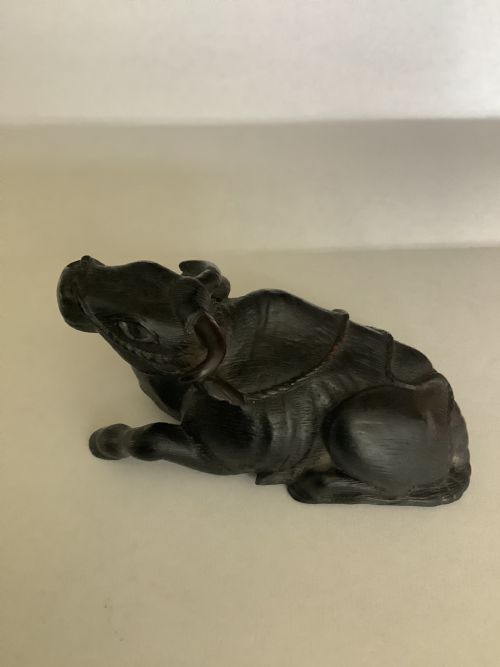
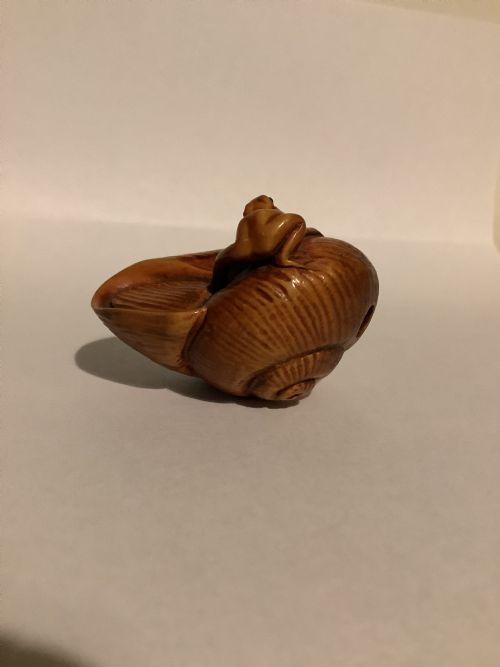
Subjects range from frogs and toads to human figures such as wise men and deities like Ebisu. Collectors find both standard toggle netsuke and elongated sashi netsuke among these offerings.
Materials and Carving Techniques
Carvers shaped these objects using dense timbers like boxwood, alongside exotic woods, horn, and stag antler. These materials allowed artisans to achieve extreme precision in miniature forms without losing structural integrity.
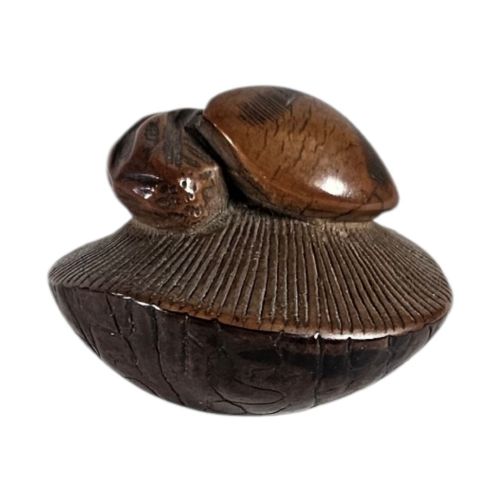
Carvers frequently depicted everyday creatures, including a snail resting comfortably on top of a mushroom.
Distinctions in Quality and Execution
Quality separates mass-produced items from works by recognised carvers through the depth of undercut details and the naturalism of the posture. Master carvers render fur, muscle, and expression with convincing fluidity.
The tactile quality of the wood surface dictates desirability, as handling over generations imparts a warm patina. Clarity of signature and preservation of delicate protrusions further distinguish superior examples.
Tomochika·Masayuki
The Japanese Wood Netsuke Sculpture Glossary
- Netsuke
- A small toggle carved from wood, horn, or antler, used to secure a pouch or container to a kimono sash. They often feature small channels or distinct forms to accommodate the cord.
- Okimono
- A Japanese decorative carving intended for display rather than functional use as a toggle. These figurines share the meticulous carving style of netsuke but are generally larger.
- Sashi netsuke
- An elongated form of toggle designed to slide down behind the obi sash rather than fasten via a cord. They frequently take the shape of slender figures or pipe case holders.
- Boxwood
- A dense, pale wood favoured by carvers for its fine grain and ability to hold intricate detail. It forms the primary material for the majority of these sculptures.
- Edo Period
- A historical epoch in Japan spanning from sixteen hundred and three to eighteen hundred and sixty-eight, noted for cultural growth and traditional arts. Many classic netsuke date from the latter half of this era.
- Meiji Period
- The era following the Edo period, lasting from eighteen hundred and sixty-eight to nineteen hundred and twelve, characterised by increased production for export and domestic display.
Japanese Wood Netsuke Sculpture: Frequently Asked Questions
What is a netsuke used for?
These carved objects served as practical toggles in traditional Japanese dress, preventing hanging pouches and medicine boxes from slipping from kimono sashes.
Over time, they evolved from purely functional items into highly collectible miniature sculptures showcasing exceptional artistic skill.
How do I date a wood netsuke?
Dating relies on stylistic markers, historical periods such as the Edo or Meiji eras, and the specific characteristics of the carved wood.
Examining the wear patterns, signature styles, and tool marks helps place the piece within the nineteenth century or Edwardian periods.
What is the difference between a netsuke and an okimono?
A netsuke is specifically designed as a toggle with cord holes for fastening to a garment, whereas an okimono is a standalone decorative sculpture meant for display.
Both share similar subject matter and carving techniques, but their original intended functions dictate their classification.
Why are some netsuke signed?
Master carvers and workshop artisans often incised their names or pseudonyms directly into the wood to claim authorship of the sculpture.
Signatures add historical context and help identify the period or specific school of carving associated with the piece.