


Meiji Period Wooden Carving
A meiji period wooden carving brings master Japanese sculpture into your home, offering intricate detail and organic warmth.
Meiji Period Wooden Carving
A meiji period wooden carving encompasses sculptural figures, netsuke, okimono and functional objects created during a dynamic era of Japanese artistry. These pieces range from miniature depictions of animals and deities to larger hardwood figures and decorative items.
Originating predominantly from the late nineteenth and early twentieth centuries, these works reflect both traditional craftsmanship and the evolving aesthetic standards of the Meiji, Edo and Taisho periods.
Materials and construction methods
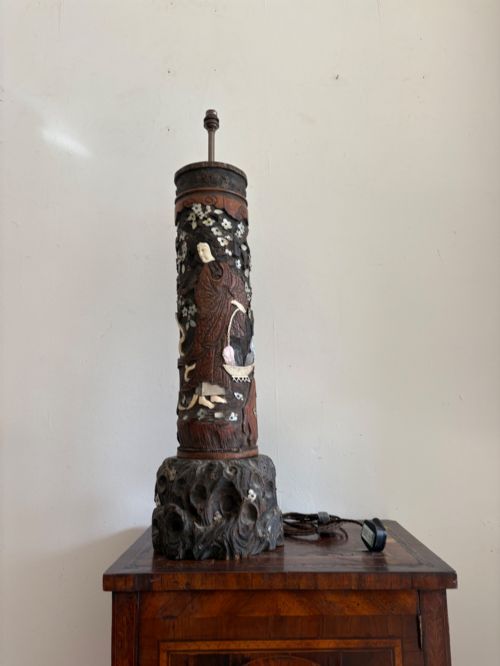
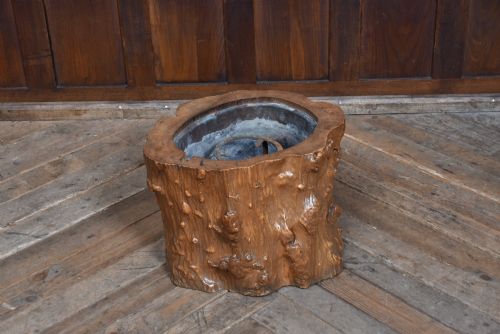
Many works incorporate natural elements such as root wood, or combine carved timber with complementary inlays like mother-of-pearl. The finishing process relied on hand polishing to highlight the natural grain and colour of the timber without obscuring the delicate chisel marks.
Materials recorded in this category include boxwood, hardwood, lacquer, fabric, copper and iron.
Distinctions in craftsmanship and execution
The distinction between standard examples and superior works lies in the depth of anatomical understanding and the vitality of the subject matter. Master carvers captured movement, expression and texture with an anatomical accuracy that brings figures of deities, animals and men to life.
Surface finish and the preservation of crisp, unsoftened edges further separate fine studio pieces from mass-produced items. The subtlety of the grain utilisation and the presence of artist signatures often indicate a higher tier of Meiji craftsmanship.
Tomochika·Masayuki
The Meiji Period Wooden Carving Glossary
- Netsuke
- A small carved toggle fastened to the end of a cord, used to suspend personal pouches from a kimono sash. These miniature sculptures often depict animals, legendary figures or everyday scenes with immense detail.
- Okimono
- A freestanding Japanese display sculpture designed solely for aesthetic appreciation rather than practical use. They frequently sit in tokonoma alcoves or upon dedicated hardwood stands.
- Boxwood
- A dense, pale yellow timber prized by carvers for its fine, even grain and ability to hold microscopic detail without splintering. It develops a rich warm patina through handling over time.
- Tomochika
- A renowned signature found on fine miniature carvings, denoting the work of a master carver from the traditional netsuke-making lineage. Signed pieces carry particular historical weight for collectors.
Meiji Period Wooden Carving: Frequently Asked Questions
What is a meiji period wooden carving?
A meiji period wooden carving is a sculptural object or functional piece produced in Japan during the late nineteenth or early twentieth centuries. These range from tiny pocket toggles to substantial figures.
Craftsmen utilised boxwood and hardwoods to depict animals, deities, and daily scenes with extraordinary naturalism and fine textural detail.
How do I care for wooden carvings?
Keep wooden carvings away from direct sunlight and sudden temperature shifts to prevent timber shrinkage and cracking. Dust them gently with a soft, dry brush rather than liquid cleaners.
Occasional handling helps boxwood develop a natural patina, provided your hands are clean and free of heavy oils.
Are these carvings signed?
Some pieces feature artist signatures inscribed directly into the base or underside of the sculpture. These signatures can indicate the work of specific master carvers from recognised historical lineages.
Unsigned works remain common and were often produced in workshops where the quality of execution mattered more than individual attribution.
What subjects are most common?
Popular subjects include animals such as frogs, rabbits, tigers and rodents, alongside mythical figures and gods of fortune. Many carvings also portray figures from folklore, tradespeople and humorous daily vignettes.
This variety reflects both spiritual beliefs and a keen observation of the natural world by Meiji artisans.