
Oriental Wooden Carving
These oriental wooden carvings bring together boxwood, carved hardwood and gilt wood across forms ranging from Buddha figures to netsuke clusters.
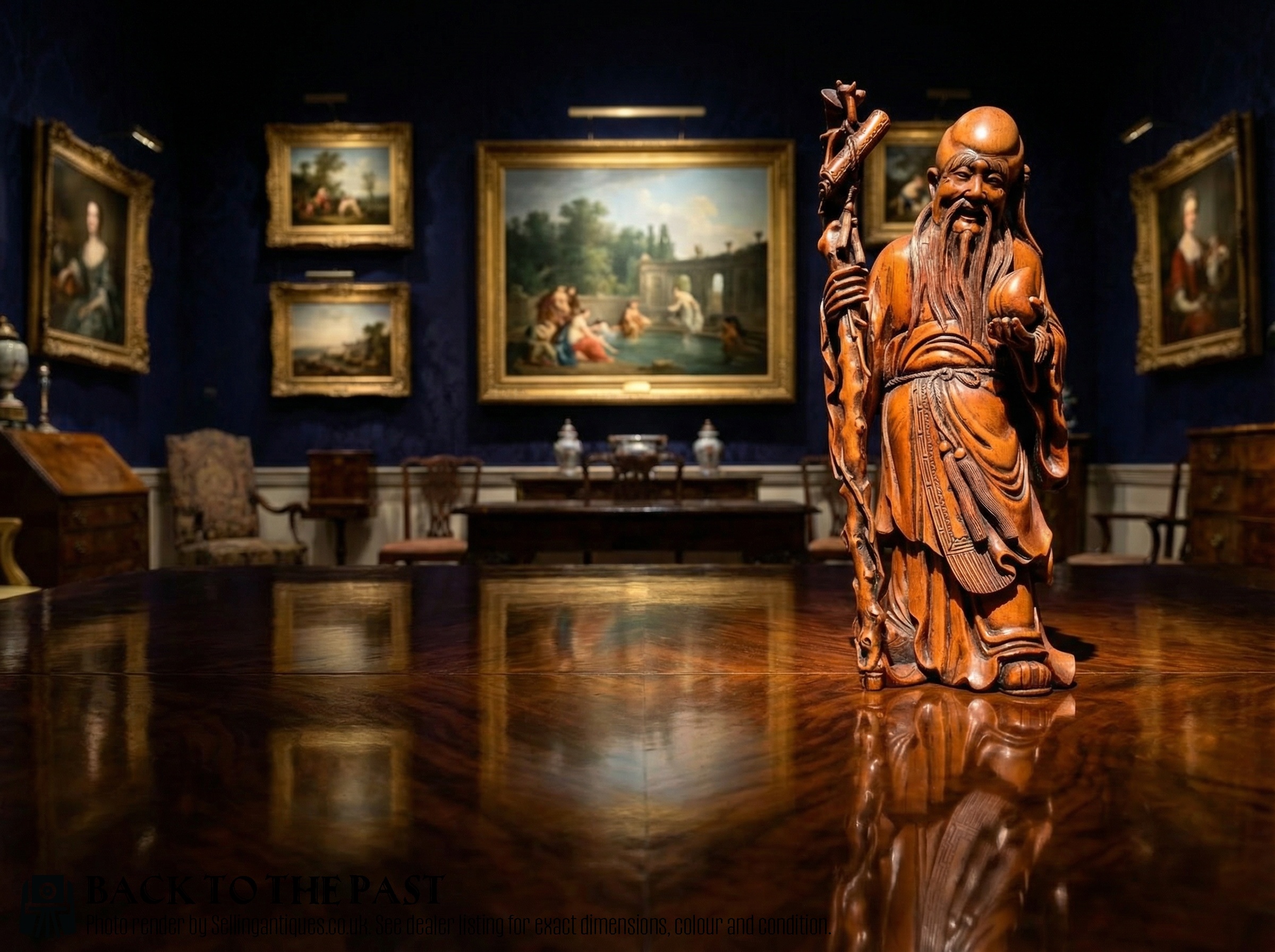
What oriental wooden carvings are
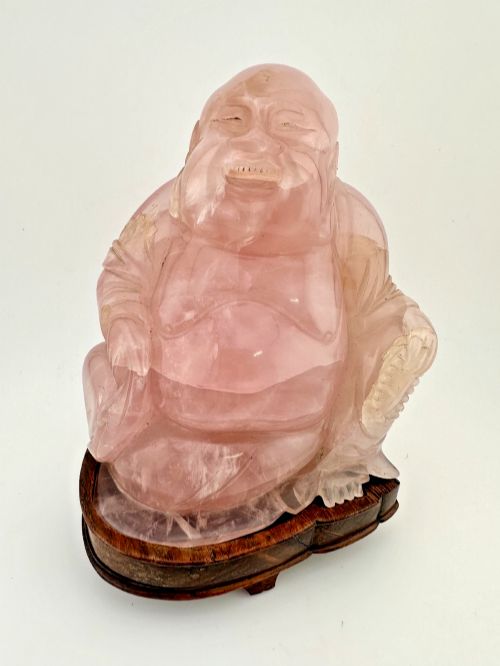
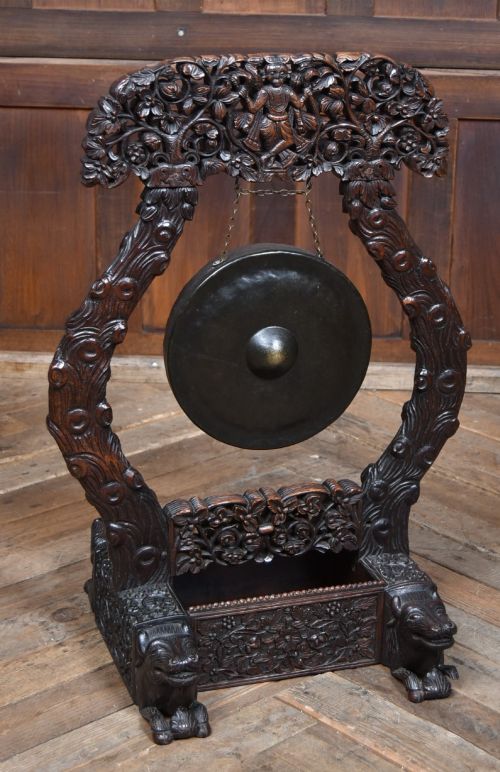
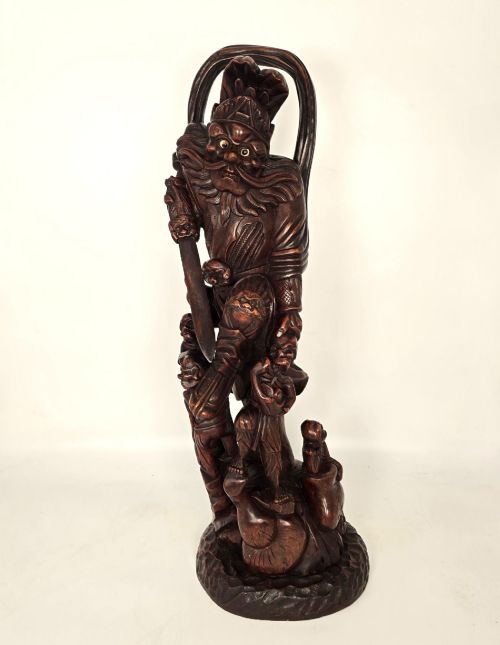
The pieces listed here include Guardian King sculptures, Buddha figures, a boxwood Ruyi Sceptre and netsuke clusters. These works originate from periods such as the nineteenth century, Edwardian era, nineteen-hundred and nineteen-thirty.
Most examples lean towards religious and mythological subjects like Fukurokuju or Lokapala figures. Each item reflects the distinct aesthetic priorities of its region and period of origin.
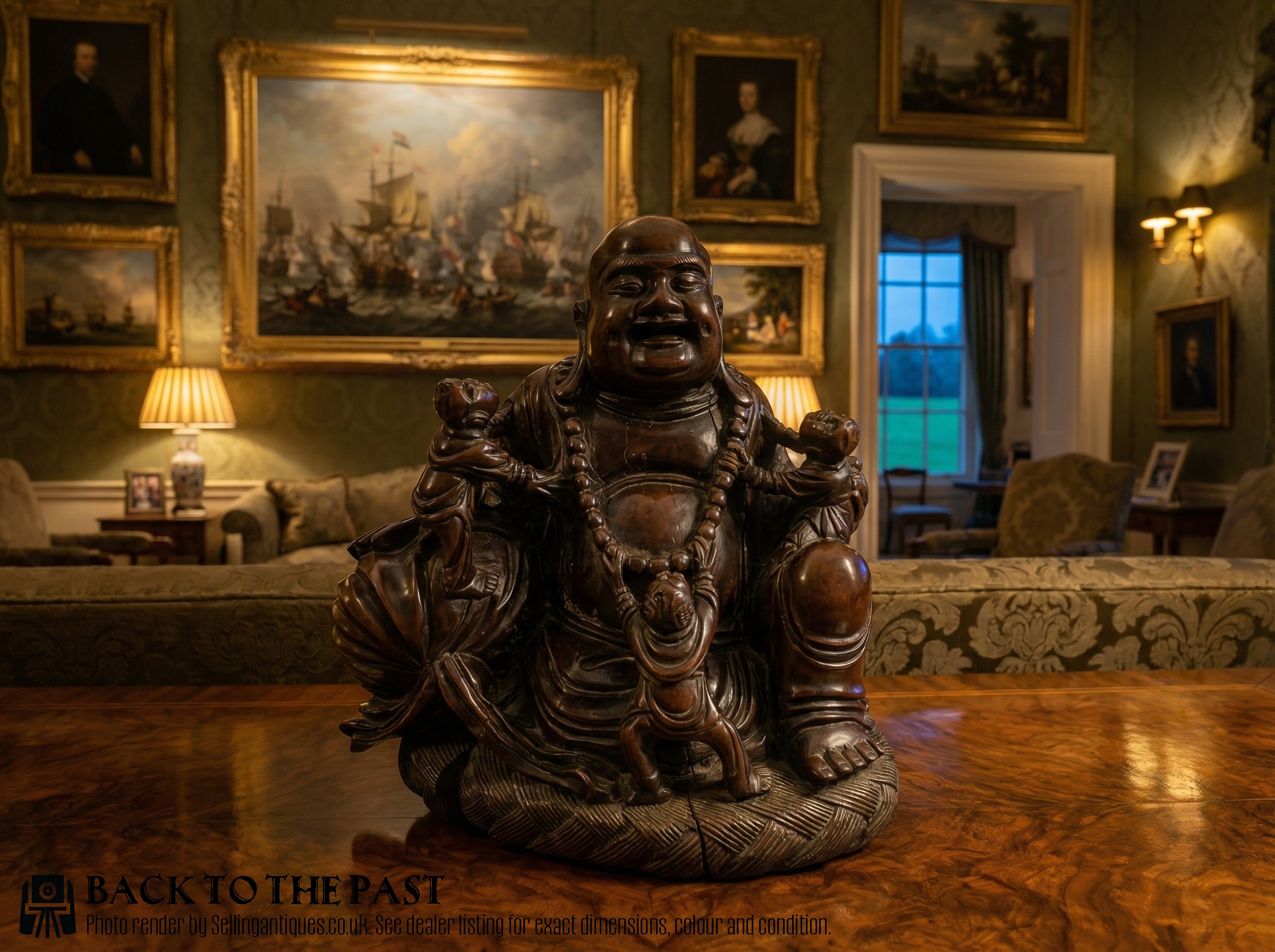
What varies in quality
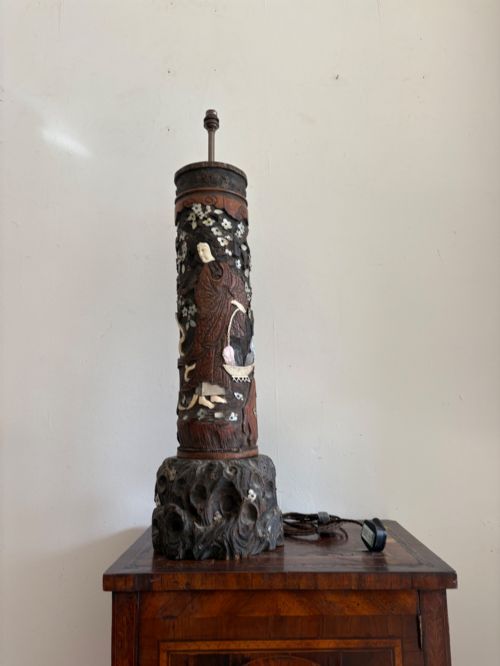
Depth of execution separates standard items from the finest works, particularly in the rendering of facial expressions and drapery folds. The complexity of the carving, visible in intricate netsuke or sceptres, dictates the level of craftsmanship achieved.
Material selection plays a primary role, with finely grained boxwood holding sharper detail than coarser timbers. The preservation of original surface treatments like gold leaf and lacquer further distinguishes superior examples.
Retail Price Guide 2026
Typical UK retail prices for oriental wooden carving, calculated from the Sellingantiques database of over a million retail prices indexed since 2003. This retail price guide relies exclusively on Sellingantiques data; no external sources or auction records are used, so the figures do not describe the wider market.
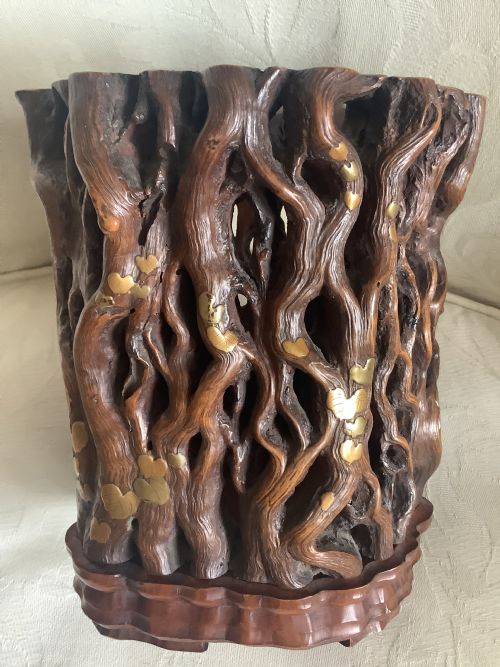
Even a cluster of ordinary nuts receives meticulous miniature carving when rendered as a historic netsuke.
The Oriental Wooden Carving Glossary
- Boxwood
- A dense, pale wood prized by carvers for its fine, even grain that allows for minute and intricate detail. It is frequently seen in Japanese okimono and netsuke.
- Okimono
- A Japanese term for a stand-alone display piece, often carved from wood or ivory, designed for interior decoration rather than practical use. These figures typically depict deities, people or animals.
- Netsuke
- A small carved toggle historically used in Japanese dress to secure a pouch or small container to the sash. They are carved with a hole or channel for cord attachment.
- Lokapala
- A Guardian King in Buddhist tradition, often depicted in vigorous armour and stance to protect a cardinal direction. Large hardwood sculptures embody this powerful iconography.
- Ruyi Sceptre
- A curved decorative object of Chinese origin, traditionally symbolising power and good fortune. Naturalistic forms are carved from materials like boxwood.
Frequently Asked Questions
How were netsuke used?
Netsuke functioned as practical toggles in traditional Japanese dress, securing small containers suspended from robes. Carved with channels for cords, they combined utility with portable sculpture.
Makers shaped them into clusters of nuts, animals and human figures that could be handled daily.
What is a Ruyi Sceptre?
A Ruyi Sceptre is a ceremonial object from China shaped with a curved, decorative head and a slender shaft. It served as a talisman of wellbeing and authority.
Intricately carved wooden versions showcase naturalistic forms and traditional motifs.
How do you date these carvings?
Dating relies on stylistic markers associated with specific eras such as the Meiji period, Qing Dynasty or Edwardian times. Material wear and finishing techniques provide additional context.
Comparison with documented workshop styles helps narrow down the period of production.