




Japanese Miniature Sculpture
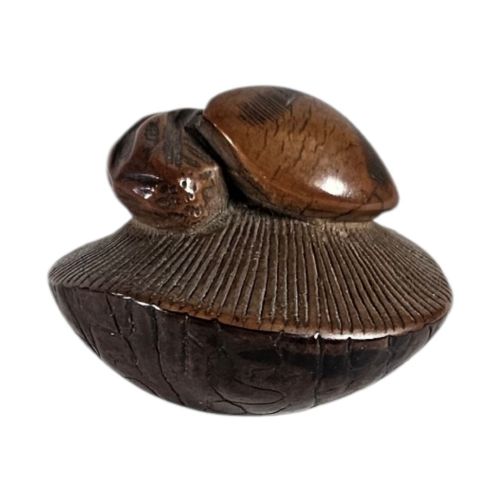
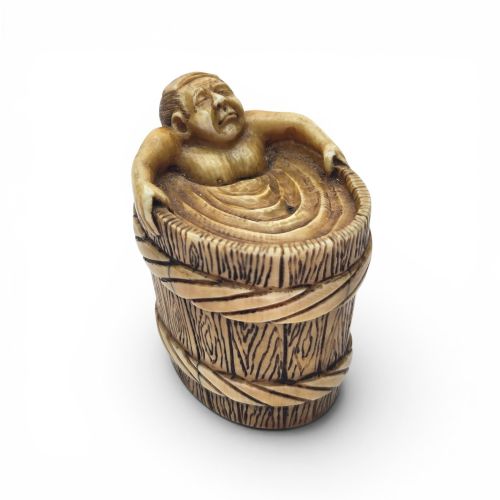
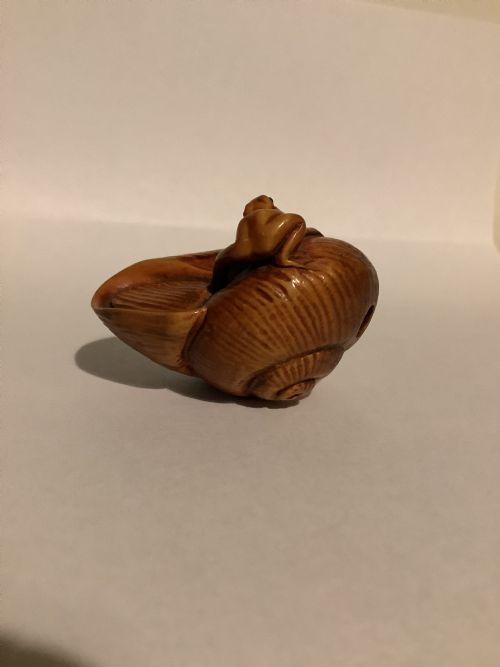
Japanese miniature sculpture brings together intricate forms like netsuke and okimono, carved from boxwood, stag antler, and cherry amber to reveal remarkable detail.
Japanese Miniature Sculpture
When you search for japanese miniature sculpture, you are looking at small carved objects originating from the 19th century and the early 20th century. The pieces on this page are predominantly netsuke and okimono, alongside figural sculptures and garden items.
The selections span the Edo period and the Meiji period, showing traditional subjects such as animals, figures, and mythic scenes. You will frequently encounter boxwood and wood carvings, accompanied by examples in stag antler, cherry amber, carved bone, bamboo, and bronze.
These items served both decorative and functional roles in traditional Japanese life, often designed to fasten small pouches to kimono sashes or simply to display craftsmanship. Their enduring appeal lies in the intimacy of their scale and the precision of the carver's hand.
How they were made
Makers utilised organic materials such as boxwood, hardwood, stag antler, and cherry amber, carving them with hand tools to achieve subtle textures and contours. Boxwood provided a dense, pale surface ideal for crisp lines, while softer woods and bamboo offered distinct grain patterns.
Pigment was sometimes applied to accentuate details like eyes or clothing folds, bringing subjects such as frogs, demons, and historical figures to life. Bronze was also employed for larger decorative pieces, cast to capture smooth curves and architectural shapes.
Listings for japanese miniature sculpture span the 19th century and the early 20th century, using boxwood, stag antler, cherry amber, and bronze.
What varies in quality
Quality rests in the depth of the carving and the sensitivity shown to the natural material, whether it is boxwood, stag antler, or cherry amber. Superior examples display fluent movement and careful attention to anatomy, such as the limbs of a frog or the musculature of a ram.
Signatures by known carvers or recognised schools elevate certain pieces, demonstrating a higher tier of workshop execution. The crispness of the remaining detail and the preservation of the original surface patina ultimately distinguish finer carvings from simpler work.
Tomochika·Masayuki
The Japanese Miniature Sculpture Glossary
- Netsuke
- A small carved toggle used to secure a pouch or container to the sash of a kimono. These toggles were shaped into animals, figures, and mythical subjects.
- Okimono
- A standalone decorative sculpture intended for display on a shelf or in a tokonoma alcove rather than for practical fastening.
- Edo Period
- A historical era in Japan lasting from 1603 to 1868, noted for peace and the flourishing of urban arts. Pieces from this time show traditional craftsmanship.
- Meiji Period
- The era spanning from 1868 to 1912, characterised by rapid modernisation and the opening of trade. Carvings from this period often display intense fine detail.
- Minogame
- A mythical tortoise with a trailing seaweed tail, symbolising long life and wisdom in Japanese tradition.
Japanese Miniature Sculpture: Frequently Asked Questions
What is a netsuke?
A netsuke is a small, carved toggle that was traditionally used in Japan to suspend a small container or purse from the obi sash of a kimono. They were shaped from materials like boxwood, wood, and stag antler.
Over time, these practical items evolved into highly collectable sculptures showcasing intricate carvings of animals, humans, and legendary figures.
How do I care for wood sculptures?
Wooden and boxwood items require stable indoor humidity and temperature to prevent the natural material from splitting or cracking. Keep them out of direct sunlight to preserve the colour of the wood and any applied pigment.
Dust them gently with a soft, dry brush rather than using any liquid cleaners or polishes.
What is the difference between Edo and Meiji pieces?
Edo period items generally date before 1868 and reflect traditional urban culture, often with robust, organic carving styles. Meiji period pieces date from 1868 onward and frequently exhibit heightened realism and extremely fine detail.
Both periods utilise materials like boxwood, stag antler, and wood, but the approach to subject matter shifted as international trade expanded.
Were these items signed by makers?
Many fine carvings bear a signature, often incised directly into the base or underside of the piece. These signatures can indicate the individual carver or the workshop school they belonged to.
Unsigned examples are also common and were produced in significant numbers to meet both domestic and export demand.