



Carved Wood Tobacco Box
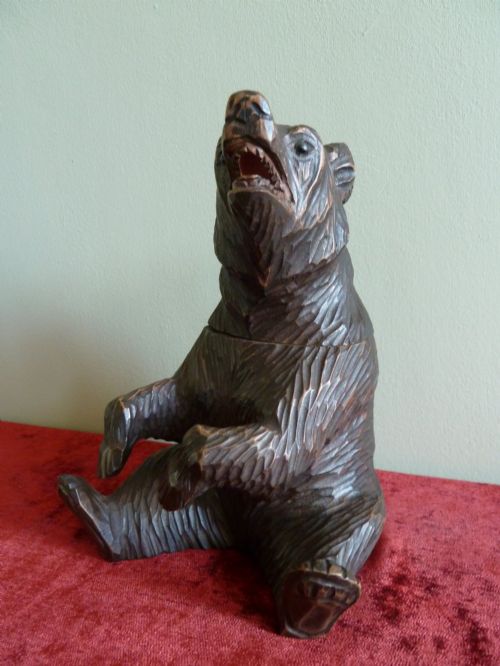
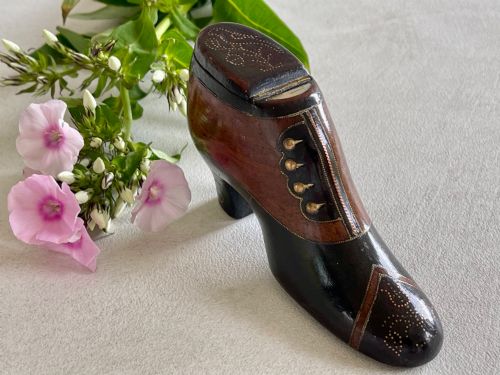
These carved wood tobacco box pieces range from folk art snuff shoes to Black Forest bear humidors designed to hold your pipe tobacco.
Carved Wood Tobacco Box
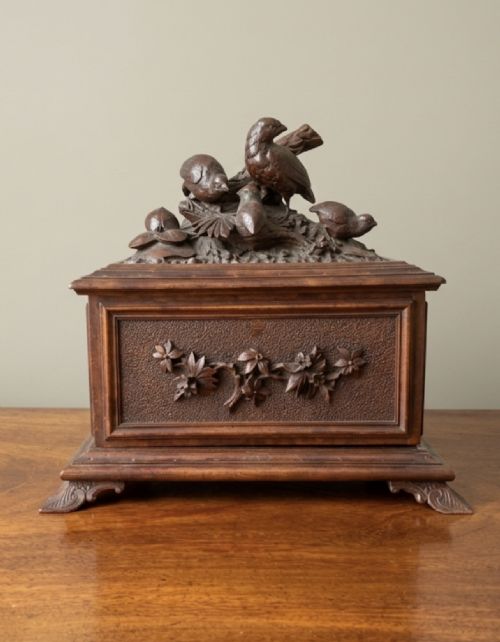
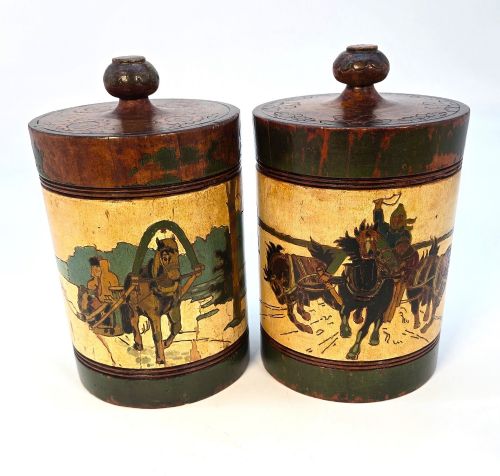
When you search for a carved wood tobacco box, you encounter items designed to store tobacco, snuff, and cigars across the eighteenth, nineteenth, and early twentieth centuries. The selection on this page runs from small pocket snuff boxes to large table humidors and desktop smokers cabinets.
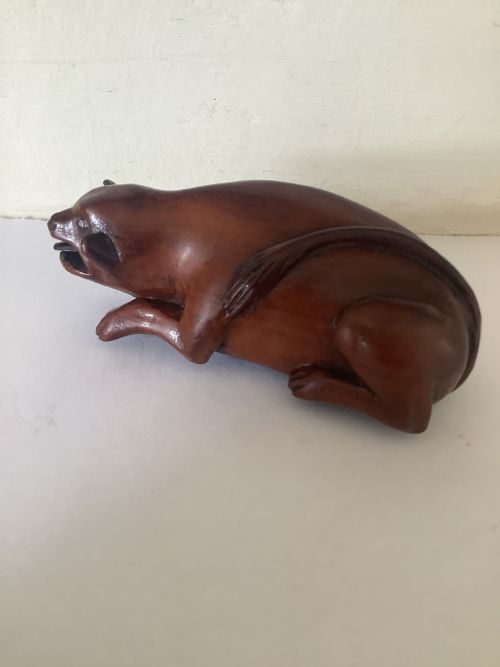
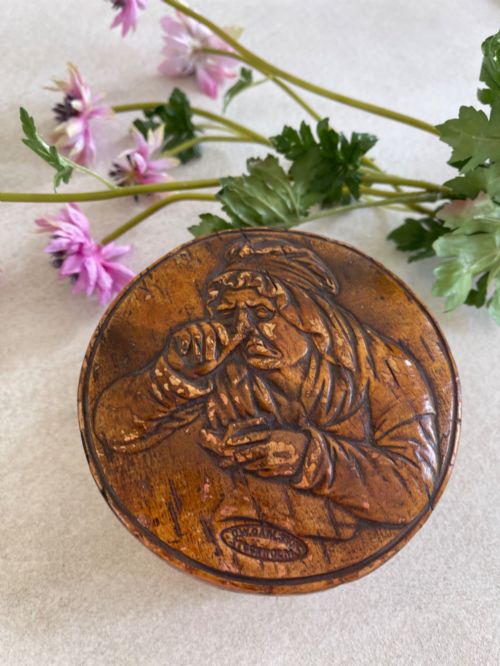
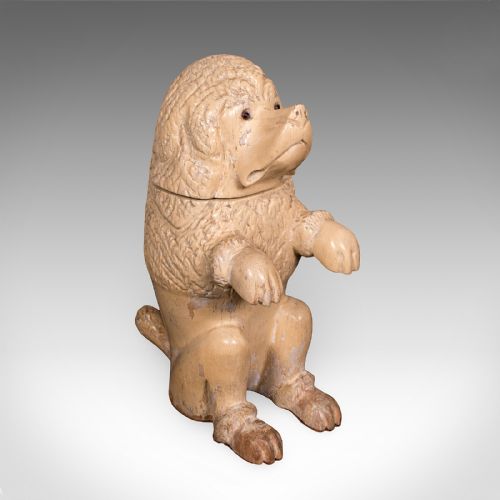
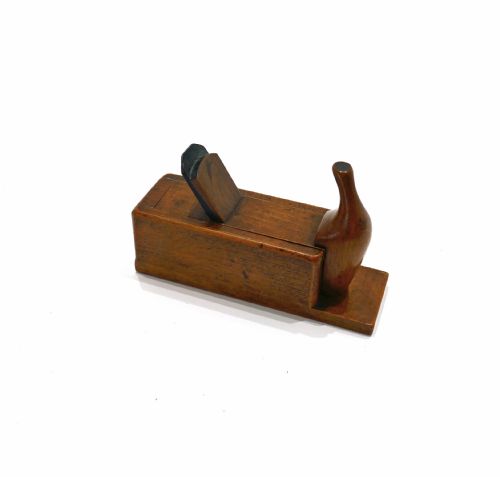
Figural pieces dominate the selection, taking the form of bears, dogs, monkeys, horses, and human hands. You also find specialised forms such as shoes, books, wood planes, and sports equipment like footballs alongside traditional turned and hinged receptacles.
How they were made
Makers shaped these objects primarily from solid timber, utilising hardwoods, fruitwood, linden wood, birch, maple, and mahogany. Skilled carvers employed hand-carving techniques to render detailed animal subjects, human figures, and foliage.
Decoration extended beyond carving into contrasting inlays using brass pique work, applied glass, and painted details. Many examples rely on the natural grain of the wood enhanced by a deep patination achieved through handling and age.
You can store your pipe tobacco inside a carved wooden poodle, a brown bear, or even a remarkably detailed sports football.
What varies in quality
Material choice and structural integrity also divide the range, with select timbers like linden wood or figured pollard birch root holding sharper lines than plain alternatives. A rich, warm patina developed over centuries elevates a piece above standard domestic containers.
The Carved Wood Tobacco Box Glossary
- Treen
- Small handmade wooden objects for domestic use. This term covers everything from small snuff boxes to turned shoe containers.
- Humidor
- A moisture-controlled box designed for storing cigars or tobacco. These range from small lidded jars to large desktop cabinets.
- Snuff Box
- A small pocket or table container made for holding powdered tobacco. Examples often feature hinged lids and intricate sliding mechanisms.
- Black Forest
- A style of wood carving originating from central Europe known for realistic animal subjects. Bears and dogs are common motifs in this tradition.
- Pique work
- A method of decorating wood surfaces with tiny points of metal. Brass inlay appears frequently on nineteenth-century examples.
Carved Wood Tobacco Box: Frequently Asked Questions
What is a treen snuff shoe?
A treen snuff shoe is a small wooden box carved in the exact shape of a shoe or boot with a sliding or hinged lid. Makers produced these novelty items during the eighteenth and nineteenth centuries for carrying powdered tobacco.
Many examples feature decorative touches such as brass pique work, inlaid diamonds, or painted portraits under glass. They sit comfortably in the hand and combine practical storage with playful folk art design.
How do I identify Black Forest carvings?
Black Forest carvings are typically rendered in linden wood, walnut, or other soft hardwoods, depicting naturalistic animals such as bears, dogs, and deer. They originate from nineteenth-century European workshops and often function as tobacco jars, humidors, or inkwells.
The carving style emphasises textured fur, glass eyes, and lifelike postures. Common forms include standing bears holding honey pots or trays that serve as cigar holders.
What is the difference between a tobacco box and a humidor?
A tobacco box generally refers to smaller pocket or table containers meant for loose pipe tobacco or snuff. A humidor is a larger container, sometimes styled as a cabinet, designed to maintain humidity for cigars.
While both serve the same broader function of storing smoking materials, humidors often incorporate heavier lidded structures and internal compartments. Pocket snuff boxes are much smaller and made for personal carriage throughout the day.
How old are these wooden boxes?
The pieces listed span from the eighteenth century through the Edwardian era and into the 1930s. Georgian and Victorian examples make up the majority of the traditional folk art selection.
Dates are determined by the style of carving, the construction of hinges, and the natural patina of the wood. Items dated specifically to the 1860s, 1880s, and 1900s reflect specific regional European and British folk art movements.