




19th Century Tobacco Jar
These 19th century tobacco jar examples are functional vessels made to keep leaf moist, prized for their varied regional materials.
19th Century Tobacco Jar
When you search for a 19th century tobacco jar, you encounter lidded containers built to store smoking leaf. The examples seen on this page span several distinct forms from the period, serving as functional desktop or table items.
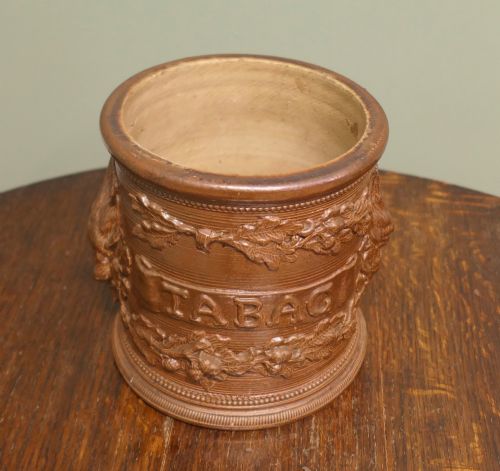
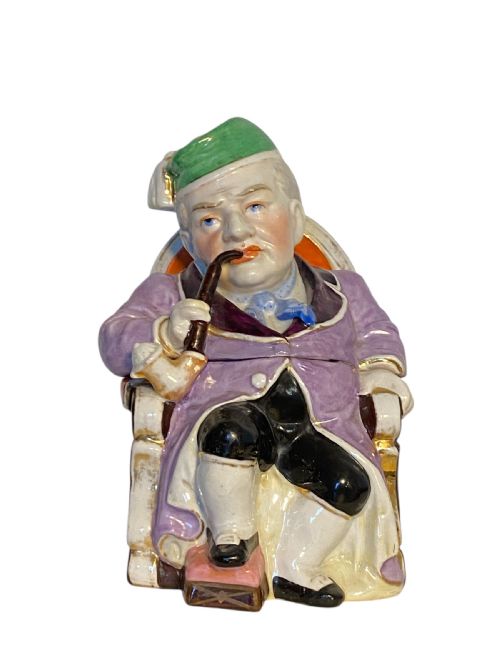
You are most likely to meet ceramic vessels, carved wooden animal figures, and metal containers. These range from German porcelain bodies to Black Forest linden wood bears and figural dog heads.
How They Were Made
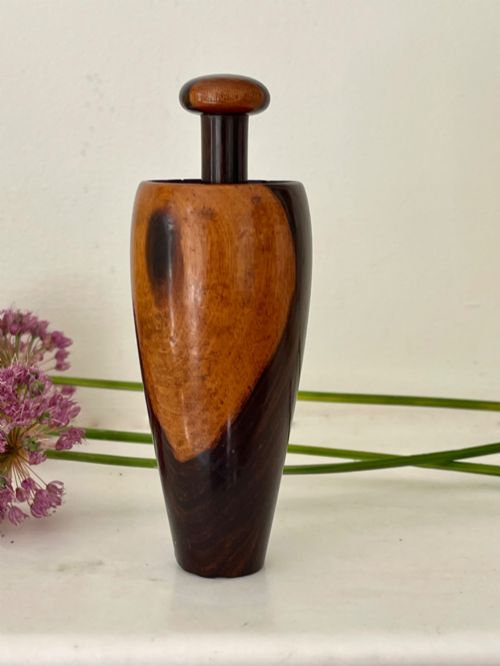
Makers utilised natural materials including linden wood, walnut, brass, porcelain, enamel, and lead. Wood carvers shaped linden and walnut into detailed figural animal forms such as bears and dogs.
Potters formed ceramic bodies in porcelain and earthenware, applying glaze and enamel decoration. Metalworkers hammered and cast brass and lead to create durable containers with secure lids.
19th Century Tobacco Jar Retail Price Guide 2026
Typical asking prices for 19th century tobacco jar among the pieces listed under this phrase on Sellingantiques today, from the lower quarter to the upper quarter. They describe what is for sale here now, not the wider market.
Listings feature linden wood, brass, porcelain, enamel, and gilt across Victorian and Black Forest styles.
What Varies in Quality
The standard of carving distinguishes figural wooden containers, where depth of detail in fur and expression elevates a piece. Surface finish, from painted porcelain enamel to polished brass, marks the refinement of the maker.
Material choice also dictates the character of the object, with intricate Black Forest wood carving sitting at a different level of craftsmanship compared to standard ceramic production.
Bernard Bloch
The 19th Century Tobacco Jar Glossary
- Humidor
- A moisture-controlled container designed specifically for storing tobacco leaf. These vessels often feature tight-fitting lids to preserve freshness.
- Black Forest
- A style of wood carving originating from the Swiss and German mountain regions. It is characterised by highly realistic animal sculptures, particularly bears.
- Toby Jug
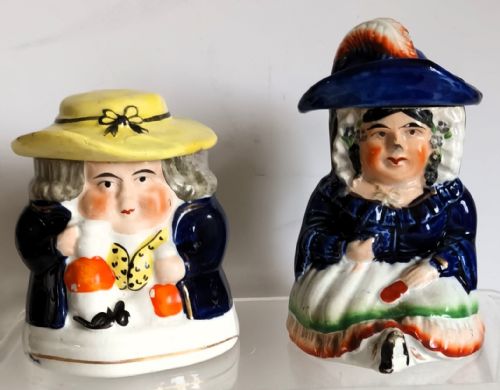
- A pottery jug shaped like the figure of a stout traditional person, occasionally adapted as a tobacco jar. These earthenware pieces often feature bright lead glazes.
- Figural
- An object shaped in the likeness of a human or animal. In this category, lids and bodies take the form of dogs, bears, and character heads.
19th Century Tobacco Jar: Frequently Asked Questions
What is a 19th century tobacco jar?
These pieces are lidded containers produced to hold smoking leaf in domestic rooms. They protect the contents from drying out.
They appear in materials like porcelain, brass, lead, and carved linden wood, often taking figural shapes.
How were they used?
Smokers placed loose leaf inside the containers to keep it fresh for daily use. The heavy lids helped seal the chamber.
They sat on desks, tables, or smoking stands within Victorian and continental interiors.
How do I tell styles apart?
Black Forest pieces are defined by detailed linden wood animal carvings, whereas German porcelain jars display smooth glazed surfaces. Brass and lead containers show metalworking techniques rather than carving or pottery.
Staffordshire pieces present earthenware Toby jug forms with painted glazes characteristic of English kilns.
What materials are common?
Porcelain, brass, lead, and various woods such as walnut and linden wood appear across the items. Enamel and gilt accents frequently decorate the ceramic surfaces.
Each material dictates the weight and manufacturing method of the individual vessel.