




Antique Smoking Paraphernalia
Antique smoking paraphernalia gathers the portable and tabletop pieces used to light tobacco, holding the everyday habits of past centuries in metal, wood, and bone.
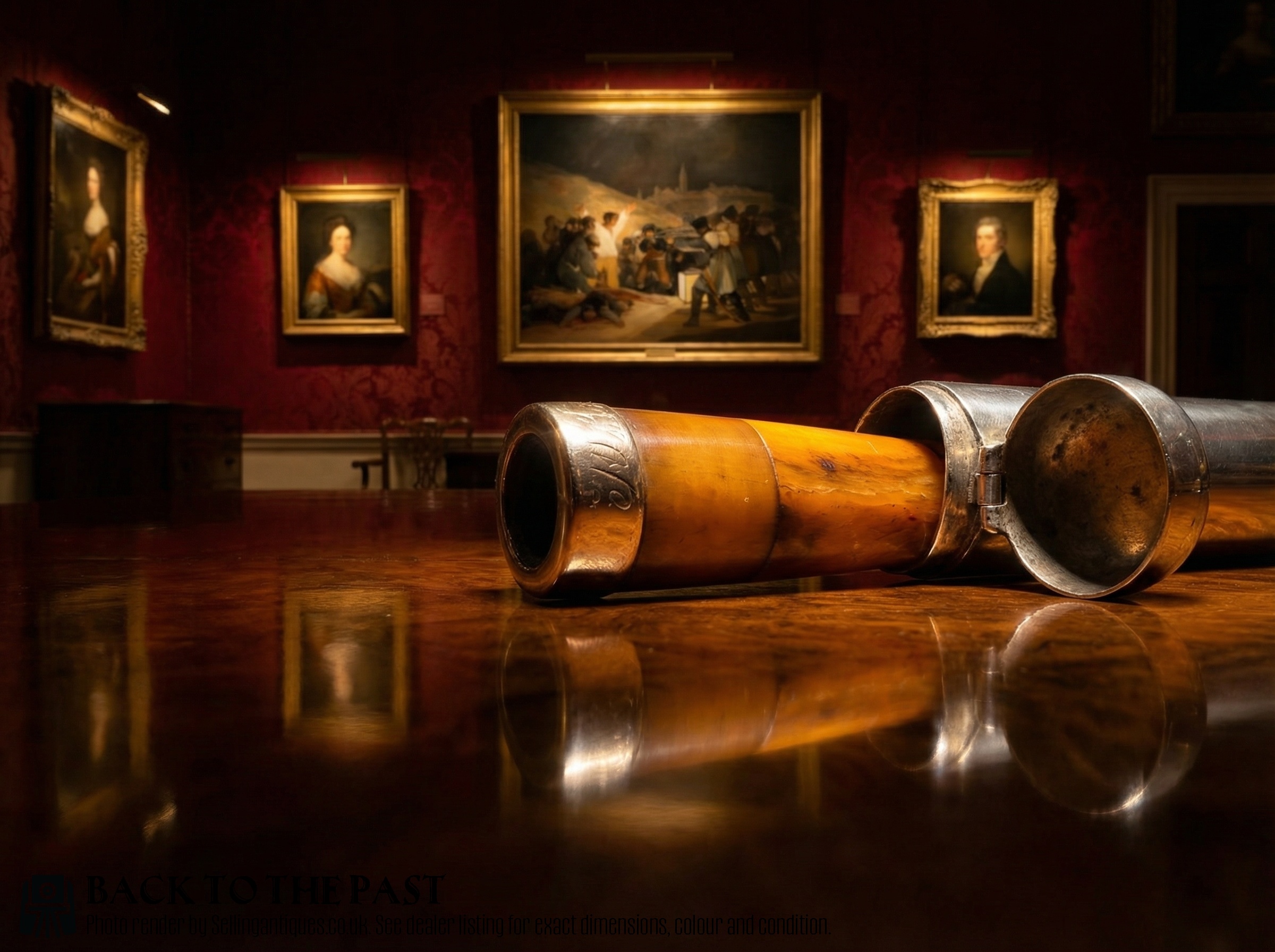
Understanding antique smoking paraphernalia
When you search for antique smoking paraphernalia, you are looking at items designed for the containment, lighting, and consumption of tobacco across the nineteenth and early twentieth centuries. These objects range from personal pocket accessories carried daily to decorative table pieces intended for the home.
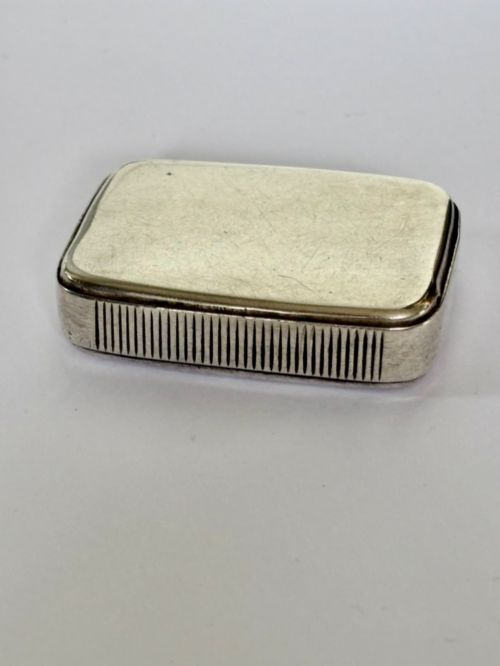
On this page, you are most likely to meet Victorian and Edwardian examples in forms such as match holders, vesta cases, tobacco jars, and lighters. The selection covers diverse origins, including British silver and Chinese carved bone.
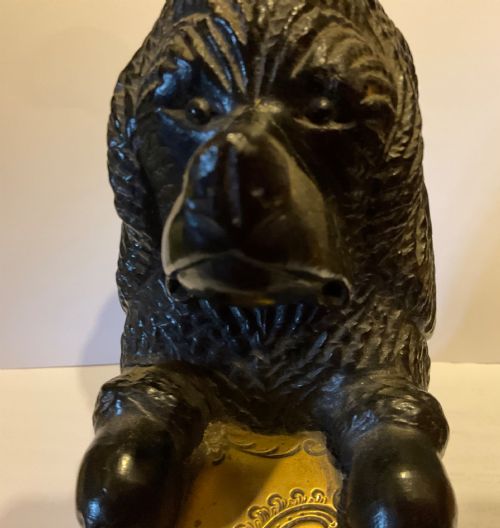
The assortment reflects both practical smoking needs and the Victorian appetite for novelty design, moving from utilitarian tinder tubes to intricately carved figural match dispensers.
Materials and construction
The construction of these pieces relies on traditional metalworking, carving, and ceramic techniques recorded across sterling silver, silver gilt, brass, steel, and porcelain. Metal items demonstrate hallmarking, casting, and applied gilding, while wooden and bone objects show detailed hand carving.
Combinations of luxury materials appear in items like cheroot holders and cases, which incorporate silver, amber, and gold. Enamel and cotton details also feature on select pocket and tabletop accessories.
Retail Price Guide 2026
Typical UK retail prices for smoking paraphernalia, calculated from the Sellingantiques database of over a million retail prices indexed since 2003. This retail price guide relies exclusively on Sellingantiques data; no external sources or auction records are used, so the figures do not describe the wider market.
Listings feature Victorian, Edwardian, and nineteenth-century periods alongside Qing Dynasty influences in carved bone and porcelain.
Assessing quality
Quality in these objects is found in the crispness of the hand carving and the precision of mechanical elements in trick cases and lighters. Pieces that maintain sharp detail in bone or wood and smooth operation in hinged lids represent the upper end of the range.
The choice of materials dictates the tier of the piece, with solid sterling silver, gold, and fine porcelain marking out higher status items compared to standard brass or basic turned wood.
A & J Zimmerman
The Antique Smoking Paraphernalia Glossary
- Vesta case
- A small pocket container specifically designed to hold safety matches, often fitted with a striking stripe on the base. These cases typically feature hinged lids and suspension loops.
- Tinder tube
- A cylindrical portable device used to house tinder for fire-lighting before the widespread adoption of friction matches. They are an earlier form of portable ignition.
- Silver gilt
- Sterling silver that has been coated with a thin layer of gold on the surface. This technique provides the rich appearance of solid gold while utilising a silver base.
- Tobacco jar
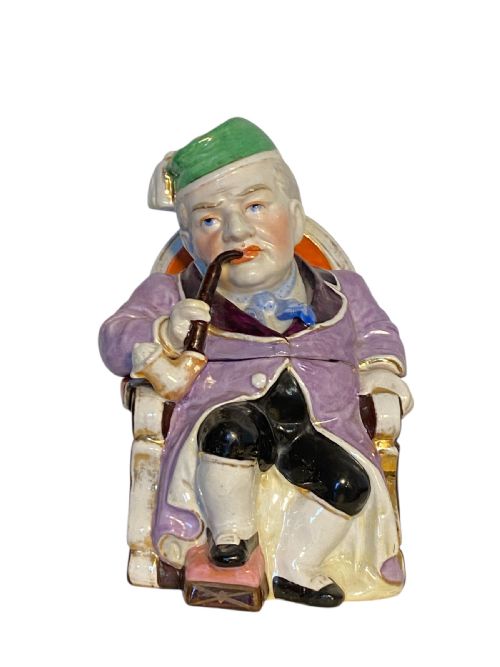
- A lidded vessel intended to keep smoking leaf moist and fresh. Porcelain and ceramic examples often include internal liners or tight-fitting lids.
Frequently Asked Questions
What are vesta cases used for?
Vesta cases were carried in pockets or attached to watch chains to keep matches dry and safe from accidental ignition. Their serrated bases allowed the user to strike the match directly on the case.
They became essential personal accessories during the nineteenth century as the use of safety matches spread across households.
How do I date antique smoking items?
Dating relies on a combination of hallmarks on silver pieces, material choices, and stylistic cues from periods like the Victorian era or Edwardian years. Maker marks and registration numbers stamped into the metal often provide specific years.
For non-metal items like carved wood or bone, stylistic motifs and construction methods offer the primary clues to their age.
What is a tinder tube?
A tinder tube is a small portable container that held a charred material or wick used to catch a spark for lighting pipes before matches were common. They represent an earlier stage of portable smoking accessories.
Users would pull the internal mechanism to expose the glowing tinder when lighting up.
How were tobacco jars used?
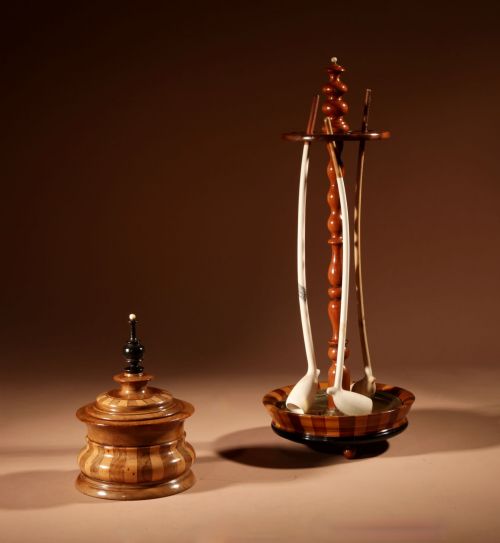
Tobacco jars sat on tables and desks to store loose leaf tobacco in a controlled environment. Their heavy lids helped preserve moisture and flavour.
They were common household objects in ceramic, glass, and wood, often matching the decor of a smoking room or study.