
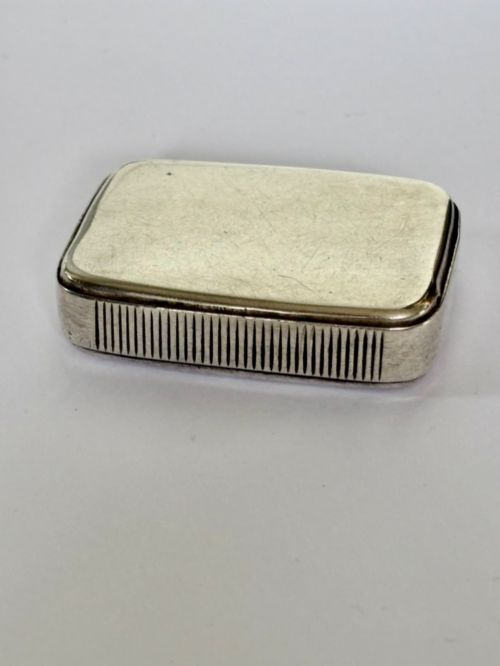


Novelty Vesta Case
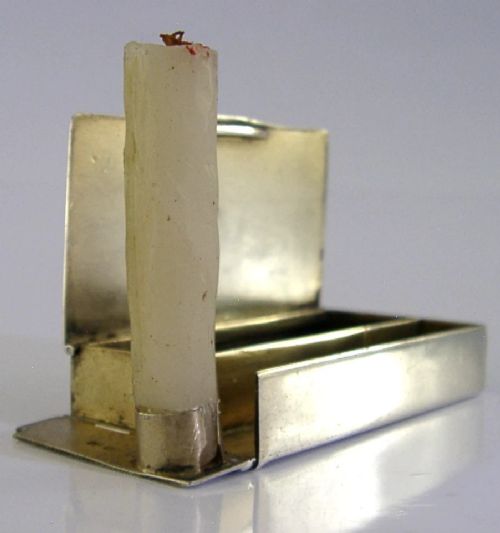
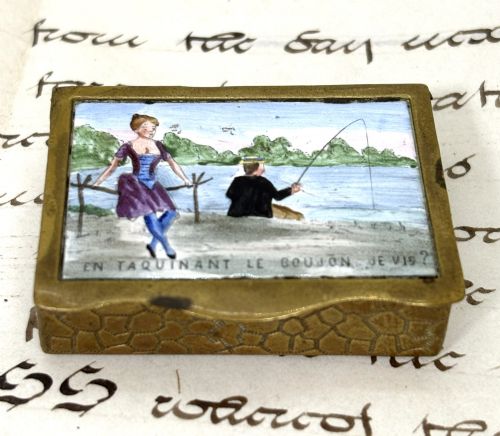
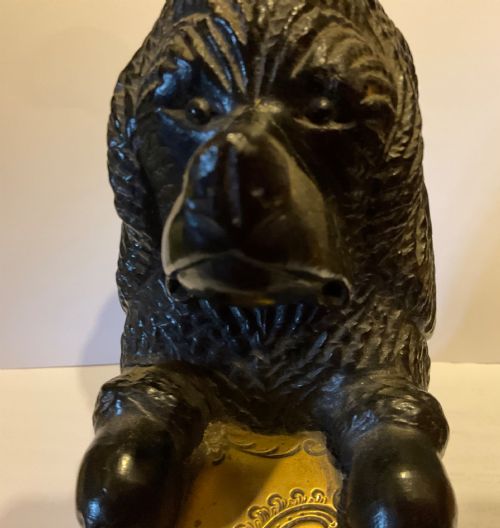
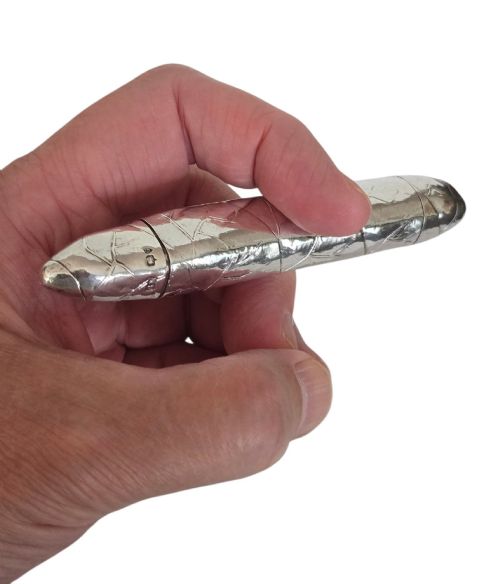
A novelty vesta case turns an everyday match safe into a miniature sculpture shaped like animals, figures or everyday objects.
What a novelty vesta case is
The pieces on this page span the Victorian and Edwardian eras, reaching into the early twentieth century. Most examples date from the late nineteenth century, reflecting the height of Victorian ingenuity in small silver and brass pocket wares.
Forms vary from realistic creatures such as owls, bulldogs, lions and crocodiles to humorous subjects like babies in shirts and champagne bottles. Alongside solid sterling silver, many incorporate enamel colour, brass, steel, nickel plating and gilt finishes.
What varies in quality
Quality rests in the crispness of the casting and the cleverness of the mechanism, particularly in trick cases that require a secret release to open. Maker marks from established silversmiths elevate an object beyond standard mass production.
The preservation of original enamel and silver gilt surfaces dictates desirability. Pieces with intricate detailing on all sides and unrubbed hallmarks sit at the upper end of the range.
Retail Price Guide 2026
Typical UK retail prices for novelty vesta case, calculated from the Sellingantiques database of over a million retail prices indexed since 2003. This retail price guide relies exclusively on Sellingantiques data; no external sources or auction records are used, so the figures do not describe the wider market.
Victorian craftsmen even turned a baby in a shirt and a champagne bottle into homes for matches.
A & J Zimmerman·Sampson Mordan·Lawrence Emanuel·Charles Lyster & Son·Joseph Gloster·Stokes & Ireland
The Novelty Vesta Case Glossary
- Vesta case
- A small pocket container designed to hold safety matches, named after the Roman goddess of the hearth. These cases feature a striated striker panel on the base for igniting the match.
- Silver gilt
- Sterling silver that has been coated with a thin layer of gold, providing a rich yellow finish. This treatment protects the underlying silver from tarnishing.
- Pietra Dura
- An artistic technique using inlaid cut and fitted polished coloured stones to create pictures. It appears on the lids of select brass match boxes.
- Trick case
- A novelty vesta case that conceals its opening mechanism behind a hidden catch or movement. Opening these pieces often requires figuring out a specific puzzle.
- Hallmark
- An official stamp struck on precious metal items in Britain, indicating the maker, assay office, purity and date of manufacture. These marks allow precise dating of Victorian silver examples.
Frequently Asked Questions
What is a vesta case used for?
A vesta case holds short matches known as vestas, keeping them dry and safe in a pocket or hung from a watch chain.
Smokers used them daily before the widespread adoption of safety matches and lighters.
How do you open a trick vesta case?
Trick cases require pressing specific hidden points or sliding panels rather than lifting a standard lid. Each design uses a unique mechanical secret to release the spring-loaded cover.
Examining the hinges and seams usually reveals the subtle direction of movement.
What materials were novelty vesta cases made from?
Makers used sterling silver, silver gilt, brass, nickel-plated steel and enamel. Some pieces combine multiple metals or feature inlaid stone work.
Precious metal versions carry hallmarks, while brass and base metal items were often produced for broader commercial markets.
How can I tell the age of a vesta case?
Silver pieces display British hallmarks that record the assay office and date letter. Stylistic details, such as Victorian aesthetic motifs or Edwardian proportions, help date unmarked brass examples.
Comparing the hinge construction and patination also indicates the period of manufacture.