


Antique Cigar Accessories
These antique cigar accessories range from silver lighters to leather pocket cases, offering both functional utility and period craftsmanship for the discerning collector.
Antique Cigar Accessories
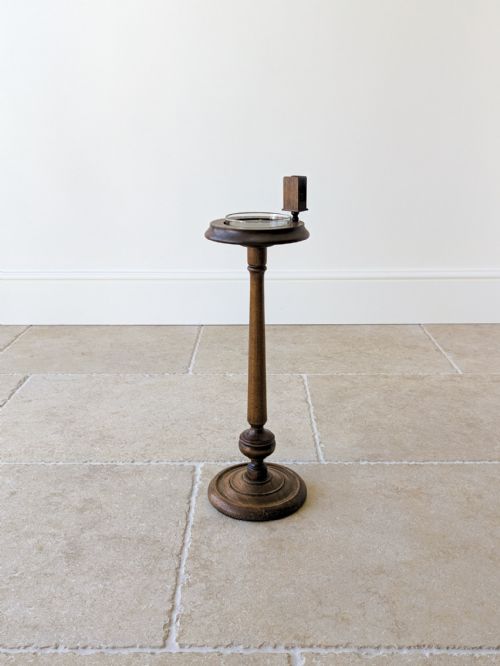
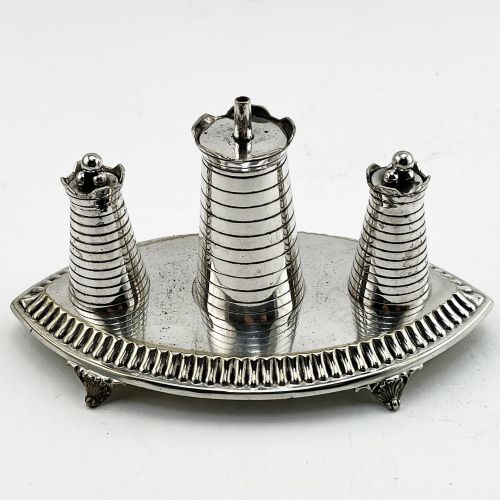
Table lighters, cigar cases, ashtrays, and wooden humidors form the bulk of what you will encounter. These pieces reflect the social habits of smoking rooms, gentlemen's clubs, and domestic parlours during the nineteenth and early twentieth centuries.
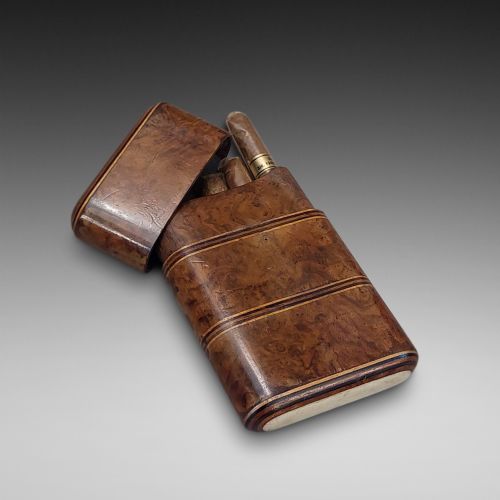
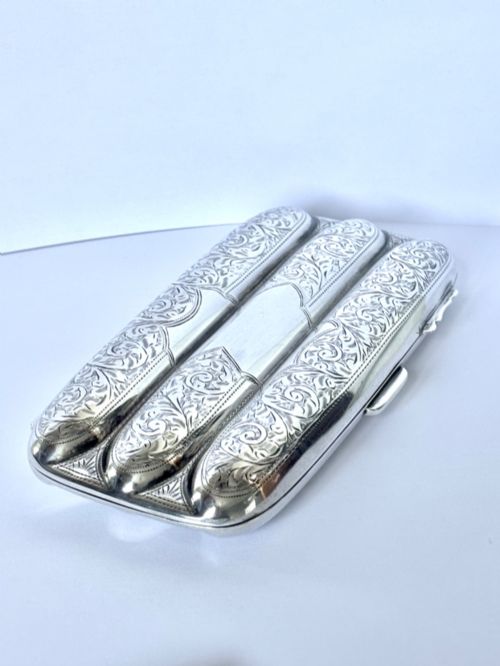
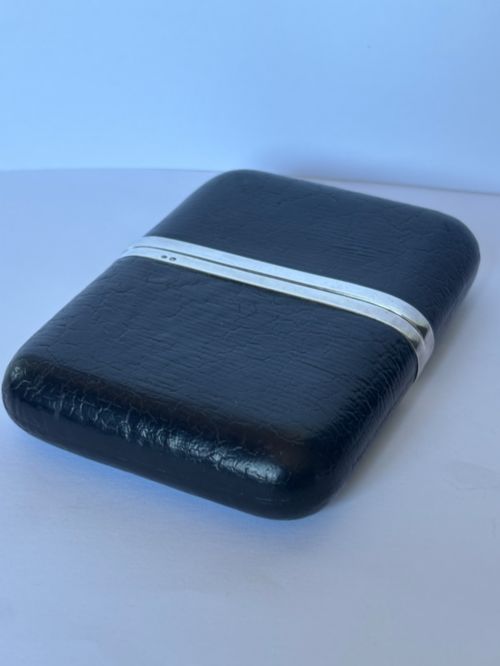
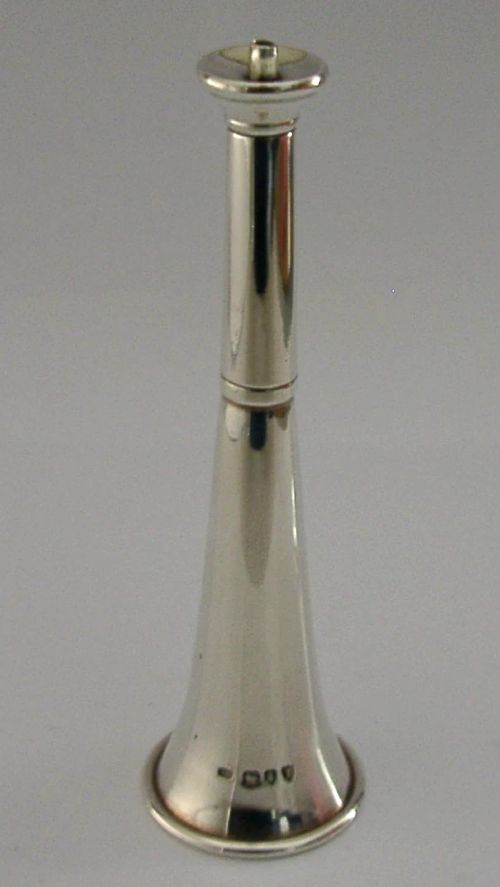
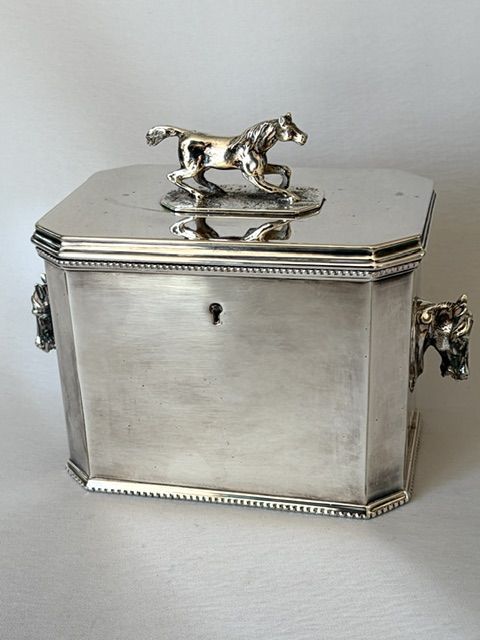
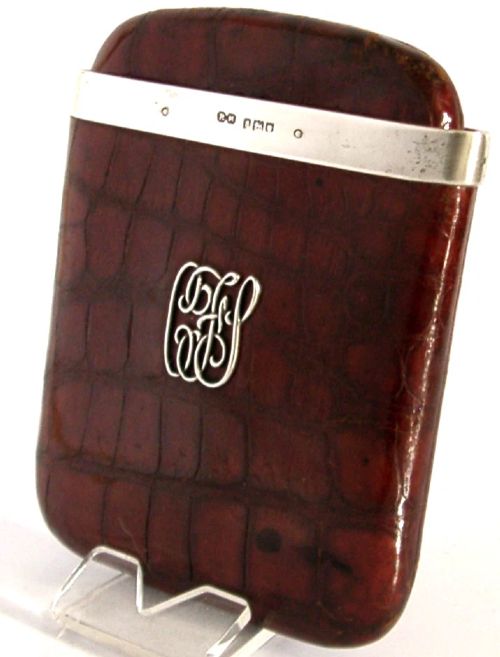
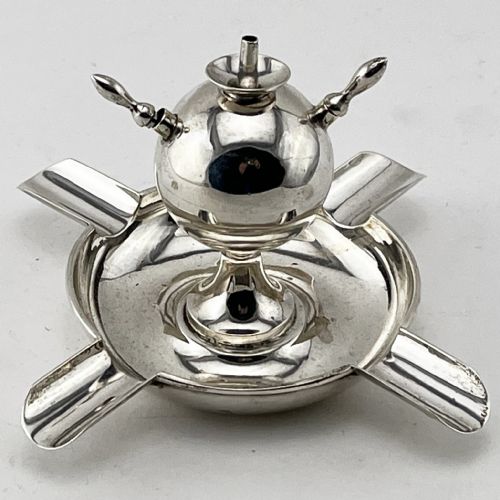
Pocket cases and travel boxes often incorporate sterling silver, leather, and crocodile skin to protect cigars away from home. Meanwhile, table lighters take on imaginative forms, including classical oil lamps, hunting horns, and novelty animal shapes.
Materials and Techniques
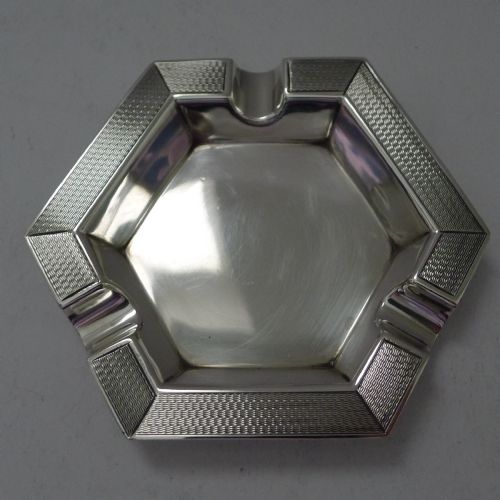
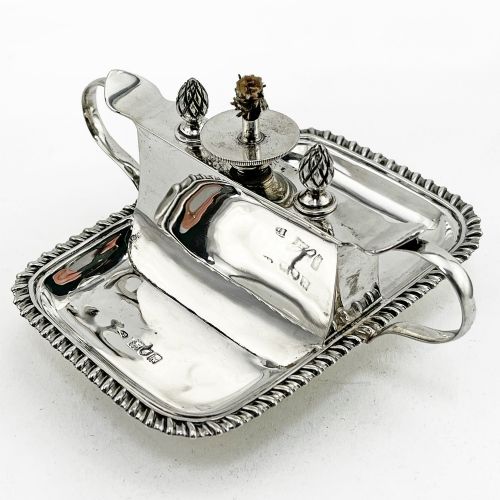
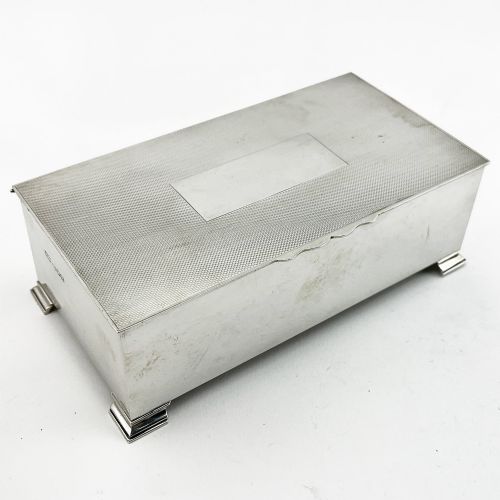
Sterling silver and silver plate provide the foundation for many cases, boxes, and table lighters, frequently shaped by hammering, casting, and engine turning. Silversmiths applied gilding to interiors and utilised hallmarks to record the assay office, year, and maker.
Natural materials such as mahogany, burr walnut, amber, meerschaum, and crocodile leather bring texture and warmth to humidors, cabinets, and cheroot holders. Woodworkers and carvers employed hand-carving and fitted joinery to create secure storage for tobacco.
The combination of precious metals with organic materials defines the construction of many pocket cases and desk pieces. Silver mounts secure leather or skin bodies, while hinged lids rely on precise metalwork for a snug closure.
Antique Cigar Accessories Retail Price Guide 2026
Typical asking prices for cigar accessories among the pieces listed under this phrase on Sellingantiques today, from the lower quarter to the upper quarter. They describe what is for sale here now, not the wider market.
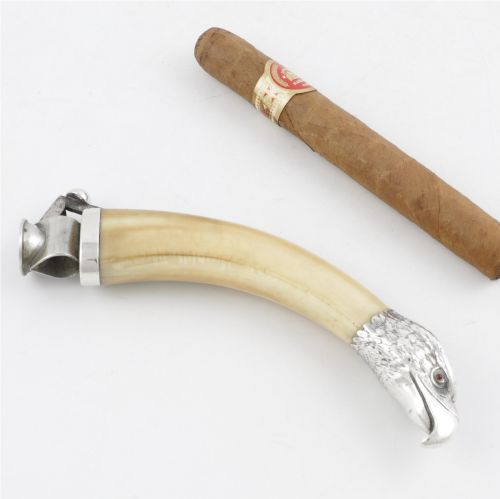
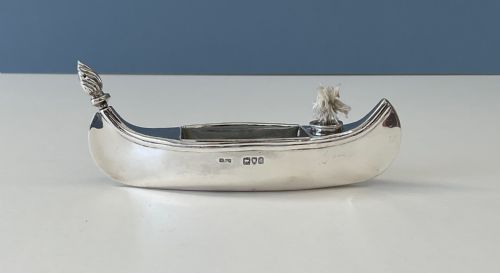
Smokers of the past could light up using silver frogs, hunting horns, and tiny canoes.
Judging Quality and Execution
Material selection and structural integrity dictate the longevity and appeal of boxes and cases. Well-fitted hinges, original linings, and robust locking mechanisms demonstrate superior craftsmanship that withstands handling and time.
The presence of clear hallmarks and recognised silversmith signatures adds certainty to provenance and manufacturing date. Pieces featuring specialised designs, such as engine-turned patterns or combination tools, show greater ambition in their creation.
Braham·William Neale·Mappin & Webb·Sigvard Bernadotte·Georg Jensen·Zimmerman·Goldsmith & Silversmith·Jane Brownett Alexander Jones·John Grinsell & Sons·Jan Eisenlöffel·Joseph Braham·Wright & Davies
The Antique Cigar Accessories Glossary
- Sterling silver
- A silver alloy containing 92.5 percent pure silver and 7.5 percent other metals, usually copper. This standard appears on the majority of British silver cigar cases and table lighters.
- Humidor
- A specially designed box or cabinet intended to store cigars at a constant humidity. These often feature wooden interiors, such as mahogany, to preserve the tobacco.
- Engine turning
- A decorative technique involving precise geometric patterns mechanically engraved into metal surfaces. It frequently decorates nineteenth-century silver cigar and cheroot cases.
- Meerschaum
- A soft, white mineral used to carve detailed cheroot and pipe bowls. It absorbs nicotine and colours gradually with use.
Antique Cigar Accessories: Frequently Asked Questions
What is a novelty table lighter?
Novelty table lighters are functional smoking accessories fashioned into pictorial or sculptural shapes rather than standard geometric designs. Makers produced them in forms such as hunting horns, canoes, animals, and classical oil lamps to serve as conversation pieces on smoking tables.
These pieces combined mechanical lighter mechanisms with detailed silver casting or plating. They allowed Victorian and Edwardian hosts to provide a light in a decorative manner during gatherings.
How do I distinguish a cigar case from a cigarette case?
Cigar cases are generally thicker, longer, and frequently curved to fit the contours of a pocket or tailored to hold specific ring gauges of cigars. Many historical examples incorporate rigid tubes or hinged compartments to prevent the tobacco from crushing.
Cigarette cases are flatter and wider, designed to hold thin, uniform cigarettes in elastic straps or spring-loaded arms. Pocket cigar cases also frequently utilise stiff materials like crocodile leather or robust sterling silver.
What woods were used for antique humidors?
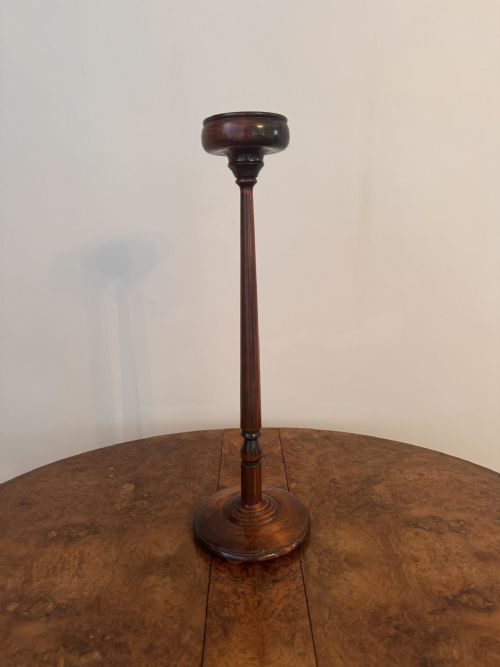
Cabinet makers utilised dense hardwoods such as mahogany and burr walnut to construct durable cigar boxes and floor-standing smoking stands. These timbers provided stability and resisted warping in changing room environments.
The interiors often featured fitted trays or specialised joinery to house loose leaf tobacco, cigars, and matches. Locks and brass hinges were integrated to secure the contents.
How do I date a silver cigar accessory?
British silver items carry hallmarks that indicate the assay office, the standard mark, and a date letter corresponding to the exact year of testing. These stamps provide a reliable method for determining the year of manufacture.
Stylistic cues such as Art Deco geometric lines or Victorian ornamentation also help narrow down the period. Comparing the maker's mark against historical records confirms the workshop origin.