

Edwardian Silver Case
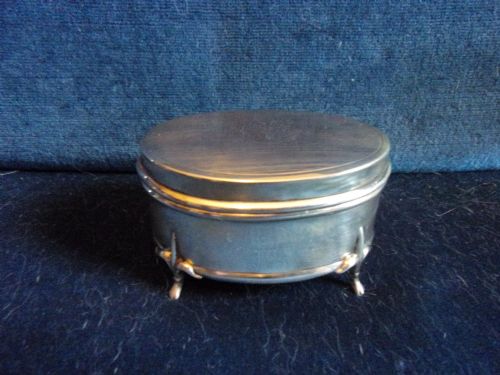
An edwardian silver case offers a glimpse into personal grooming and portable vanity from the early twentieth century.
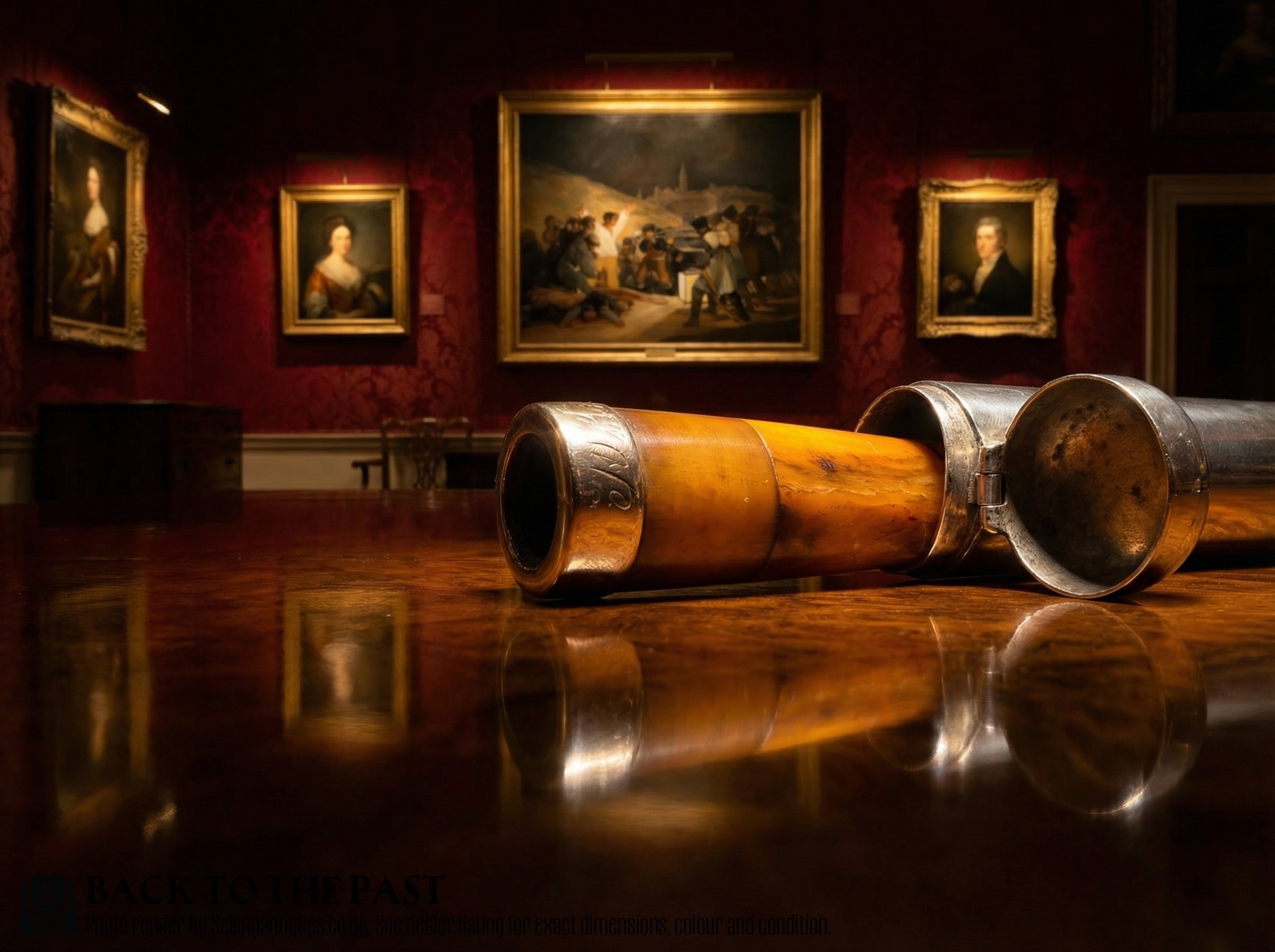
Edwardian Silver Case
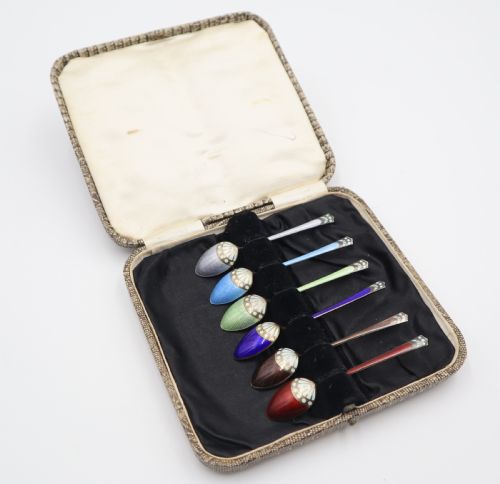
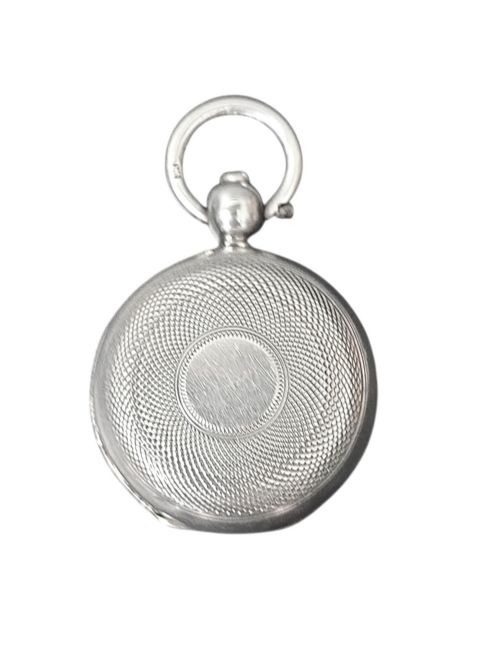
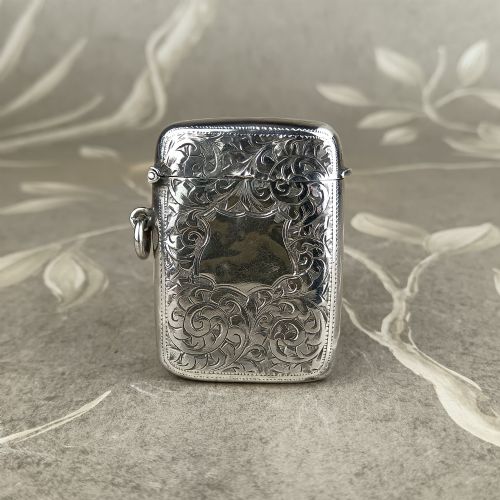
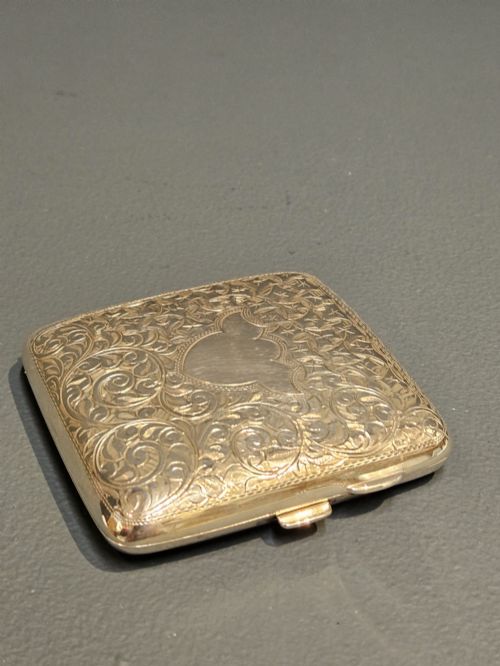
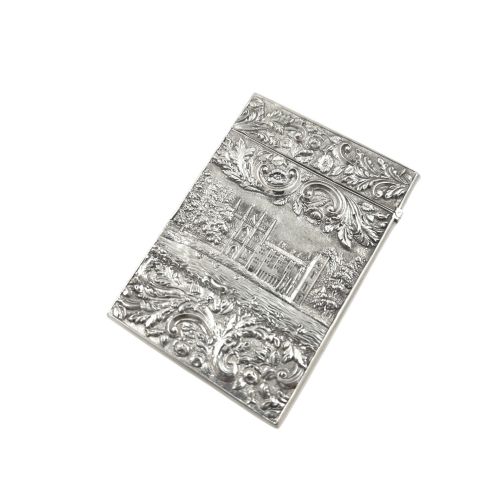
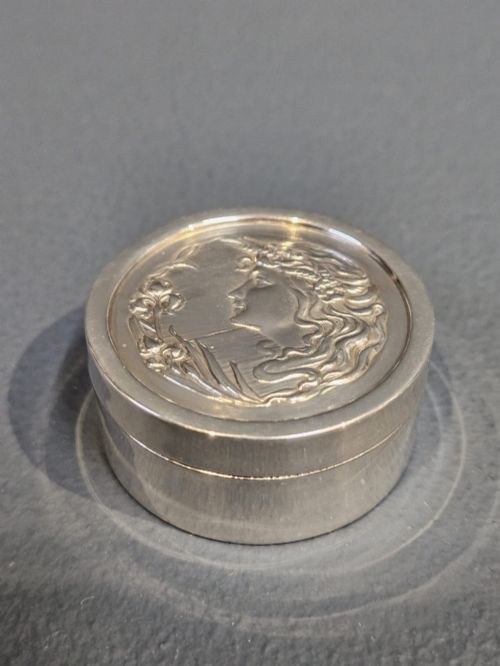
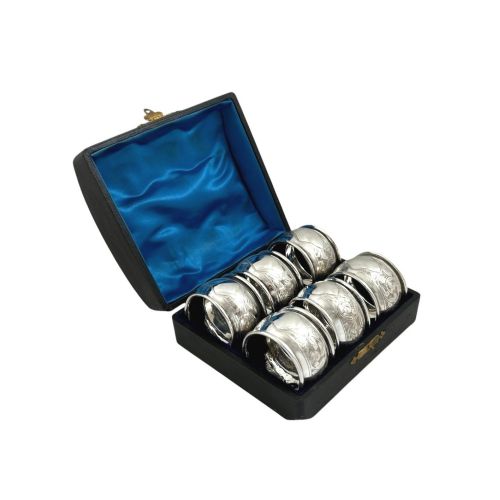
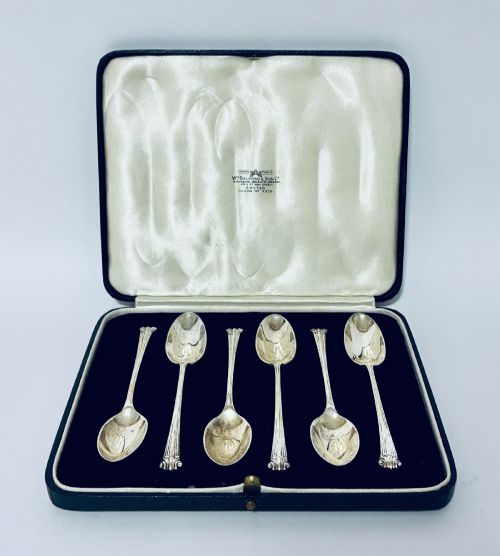
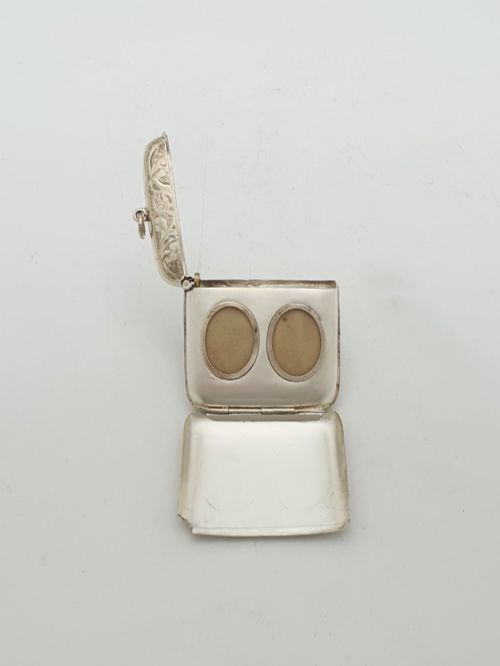
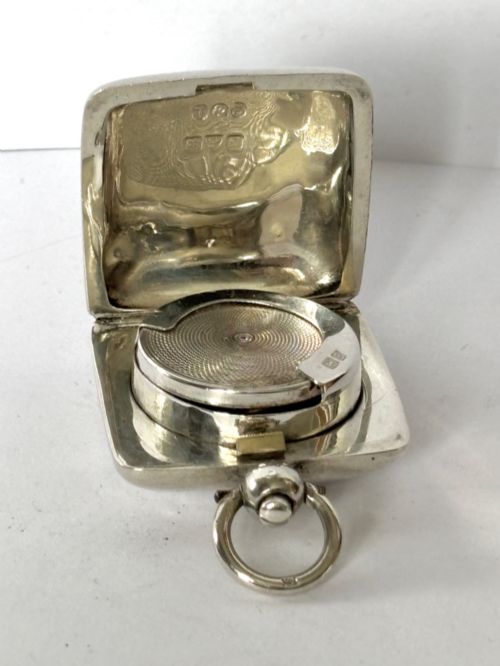
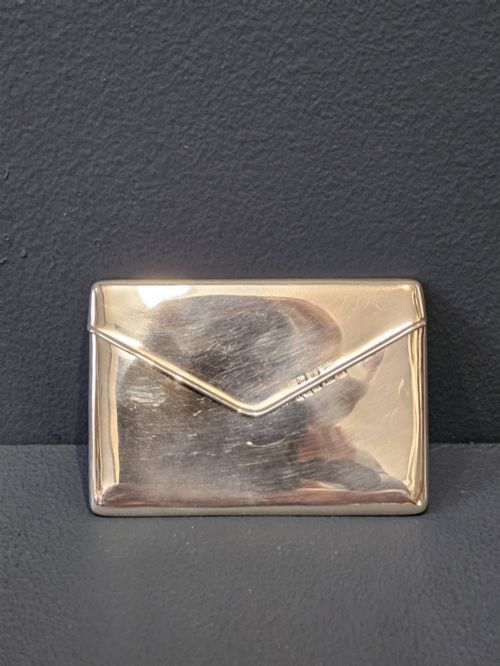
The term edwardian silver case covers a specialised group of small portable items designed to hold currency, smoking accessories, cards, or vanity gear. The selection ranges widely from slimline calling card cases and double sovereign holders to vesta boxes and fitted presentation sets.
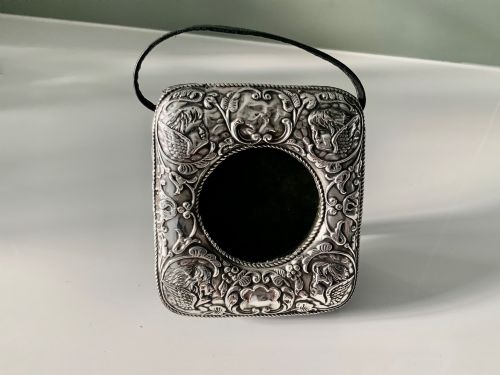
Many examples combine materials, pairing sterling silver mounts with crocodile skin, leather, or glass to suit the refined tastes of the era. Buyers seek these pieces for their intricate craftsmanship and practical place in historical social rituals.
Materials and Construction
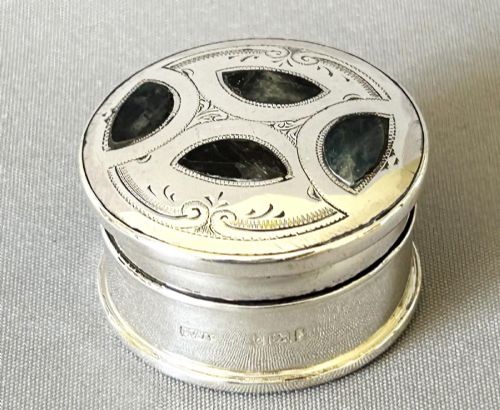
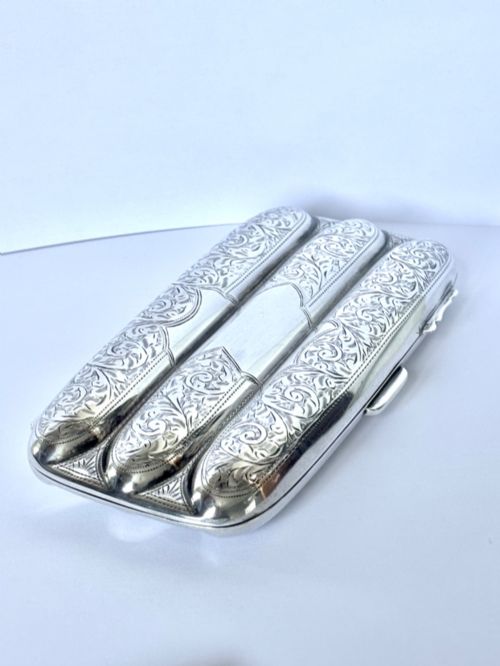
Makers shaped sterling silver through stamping, piercing, and hand-engraving, often applying internal gilt washes to protect the metal from tobacco or coin wear. Exterior decoration frequently relies on crisp geometric lines or naturalistic motifs executed by regional assay offices.
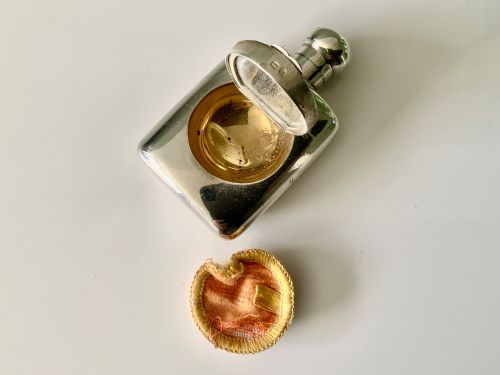
Internal components often feature fitted linings of silk, velvet, or leatherette, tailored specifically to cradle fragile contents such as glass scent bottles or metal sovereign coins.
Edwardian Silver Case Retail Price Guide 2026
Typical asking prices for edwardian silver case among the pieces listed under this phrase on Sellingantiques today, from the lower quarter to the upper quarter. They describe what is for sale here now, not the wider market.
Some silver vesta cases were shaped as pug dogs, golf balls, and owls to amuse Edwardian smokers.
Judging Quality
Distinction across these objects rests on the crispness of the chasing, the security of the hinges, and the clarity of the hallmarking stamps. Superior examples retain their original internal gilding and tight closure mechanisms without slackness.
Novelty shapes, such as animals or specific sports equipment, demand greater technical skill from the silversmith and generally command higher regard than plain rectangular forms.
Charles Penny Brown·Aaron Lufkin Dennison·Levi and Salaman·Robert Chandler·William Aitken·A and J Zimmerman·Sampson Mordan
The Edwardian Silver Case Glossary
- Vesta case
- A pocket-sized container designed to hold wax matches, often featuring a textured striker base on the exterior.
- Sovereign case
- A small round container engineered with internal spring mechanisms to securely dispense gold sovereign coins.
- Hallmark
- The official stamp applied by an assay office indicating the standard of silver purity, the town of testing, and the date letter.
- Gilt
- A thin layer of gold applied to the interior surface of a silver object to prevent tarnishing from contents.
- Planished
- A hand-hammered surface finish that leaves subtle, uniform facet marks across the metal.
Edwardian Silver Case: Frequently Asked Questions
What fits inside an edwardian silver case?
These containers served specific daily functions for Edwardian gentlemen and ladies. Common contents included calling cards, paper currency, stamps, matches, and gold sovereign coins.
Larger variations accommodated cigars, cigarettes, or small glass scent bottles. Each internal compartment was tailored precisely to the intended accessory.
How do I read the hallmarks?
British silver bears a series of small stamped marks that reveal vital historical details. You will typically find a maker mark, a purity standard symbol such as the lion passant, an assay office symbol, and a date letter.
These stamps allow collectors to trace the exact year and city of manufacture for every piece.
Were these cases used daily?
Owners carried these portable items constantly as part of standard social etiquette. They were pulled from pockets or evening bags during routine transactions and social calls.
Despite frequent handling, many survivors retain strong structural integrity due to the robust gauge of silver utilised by period makers.
How should I clean my silver?
Maintenance requires gentle handling to preserve any original surface details or internal gilding. Standard silver dips can strip away desirable patination that builds up over decades.
Using a soft microfibre cloth with a mild, non-abrasive silver polish removes excess tarnish safely without harming engraved decorations.