

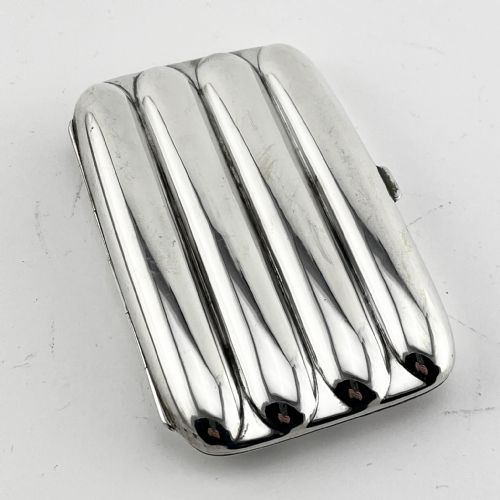


Silver Cigar Case
A silver cigar case protects tobacco in the pocket while offering a gleaming surface for intricate decoration.
What silver cigar cases are
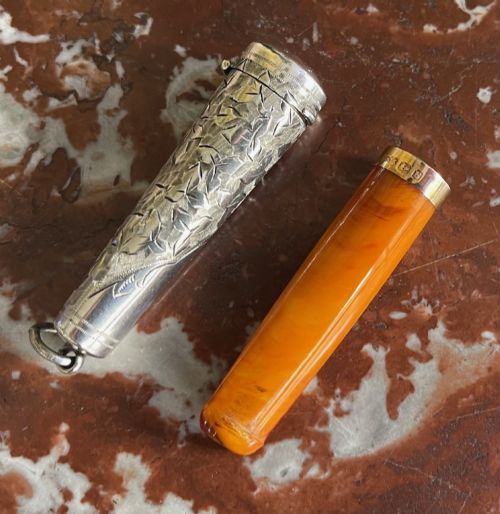
A silver cigar case is a pocket accessory designed to hold cigars, cheroot or tobacco safely during travel. The form appears across the Victorian period, the Edwardian era, and into the early twentieth century.
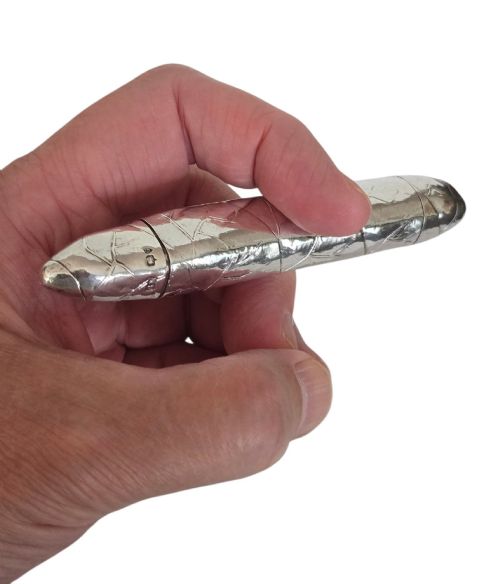
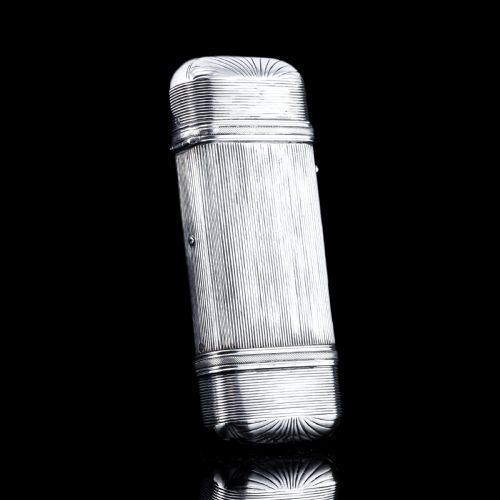
Pieces on this page range from plain pocket tubes to multi-cigar holders and hinged cases. Buyers encounter items made in solid silver, sterling silver, and silver gilt.
Origins stretch from British workshops to Dutch, Russian, and Eastern makers. The selection includes specific tobacciana alongside related card and cigarette combinations.
How they were made
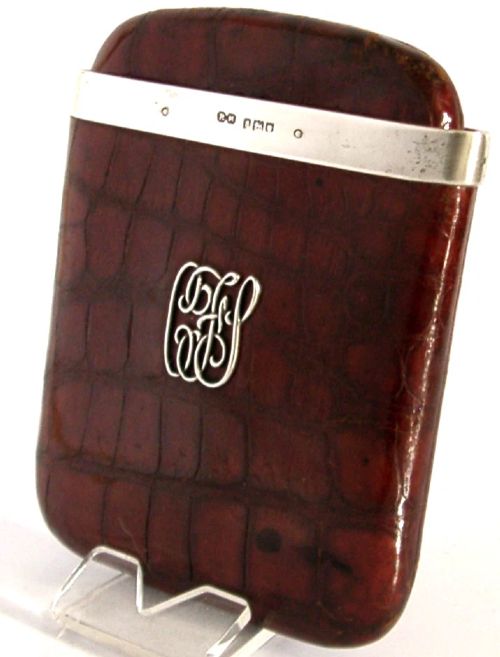
Silversmiths utilised sterling silver, solid silver, and gold gilt, sometimes combining the metal with leather, crocodile skin, or enamel. Techniques such as repoussé, engraving, and casting created textured exteriors.
Internal structures involved rigid tubes, spring mechanisms, or fitted compartments designed to secure specific quantities of cigars. Cases often received interior gilding to protect the metal from tobacco oils.
Retail Price Guide 2026
Typical UK retail prices for silver cigar case, calculated from the Sellingantiques database of over a million retail prices indexed since 2003. This retail price guide relies exclusively on Sellingantiques data; no external sources or auction records are used, so the figures do not describe the wider market.
What varies in quality
Quality rests in the depth and clarity of the surface ornament, whether hand-engraved foliage, cast repoussé motifs, or applied enamel work. Finer examples show crisp definition across every panel and secure hinge construction that aligns without gap.
The choice of materials introduces further distinction, separating standard sterling pieces from those enhanced with gold gilt interiors, fitted leather exteriors, or precious metal mounts. Maker attribution also elevates certain items through documented provenance.
Zimmerman·Thomas Bishton·Deakin & Francis·Joseph Gloster·Henry Matthews·Nathaniel Mills·David Jellicoe Baker·Horton & Allday·Boardman Glossop & Co·William Base & Sons·William Summers·Charles & George Asprey·Henry Williamson·Yapp & Woodward
The Silver Cigar Case Glossary
- Sterling silver
- A standard alloy consisting of a high percentage of pure silver combined with other metals to ensure durability in pocket accessories.
- Silver gilt
- Silver coated with a thin layer of gold, often applied to the interior of a case to prevent tarnishing from tobacco.
- Repoussé
- A metalworking technique where the smith hammers the design from the reverse side to form a raised relief on the front.
- Cheroot
- A narrow cigar with cut ends, frequently accommodated alongside traditional cigars in period combination cases.
- Vesta case
- A small pocket container designed for holding matches, occasionally found integrated into multi-tool smoking accessories.
Frequently Asked Questions
What fits inside a pocket cigar case?
These cases accommodate cigars, cheroot, or cigarette items depending on internal divisions and tube configurations. Many hold single specimens, while others secure multiple items in designated compartments.
Dimensions match the standard smoking formats of the Victorian and Edwardian eras. Interior clips or leather straps keep the contents secure during transit.
How do I identify the period of a silver case?
Hallmarks stamped into the silver provide direct evidence of the assay office, maker, and year of manufacture. Stylistic clues such as Victorian repoussé work or Edwardian torpedo shapes further indicate the date.
Matching the design motifs with documented maker marks narrows the origin down to specific decades. Comparing construction methods also helps place the piece correctly in time.
Are these cases suitable for modern cigars?
Pocket cases from the nineteenth and early twentieth centuries were tailored to historical cigar and cheroot dimensions. Modern cigars vary significantly in ring gauge and length compared to older standards.
Buyers intending to use a piece daily should check internal tube diameters and lengths carefully. Many examples function best with specific slender formats.
What is the difference between a tube and a hinged case?
Tube formats enclose individual cigars or small groups within rigid cylindrical housings, often finished with a torpedo profile. Hinged cases open like books to reveal flat interior spring clips or fitted partitions.
Both styles protected tobacco in the pocket, but tube designs prioritized streamlined carriage. Hinged variants allowed for broader decorative surfaces on the exterior panels.