


Victorian Silver Cigar Case
A victorian silver cigar case holds the personal luxuries of the nineteenth-century gentleman, combining precious metal with fine pocket utility.
Victorian Silver Cigar Case
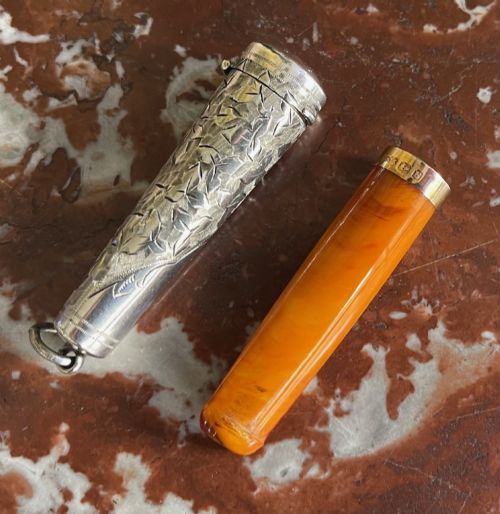
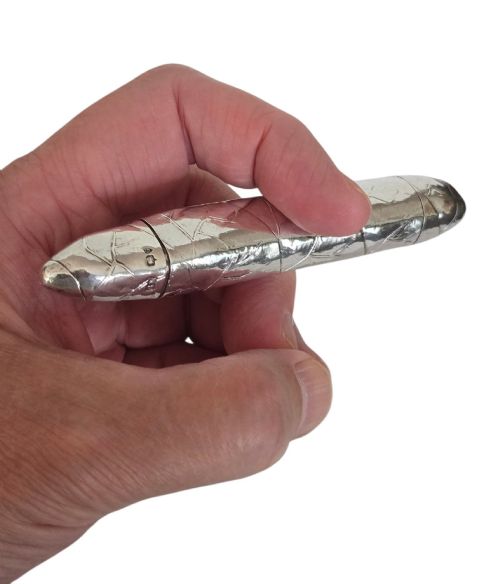
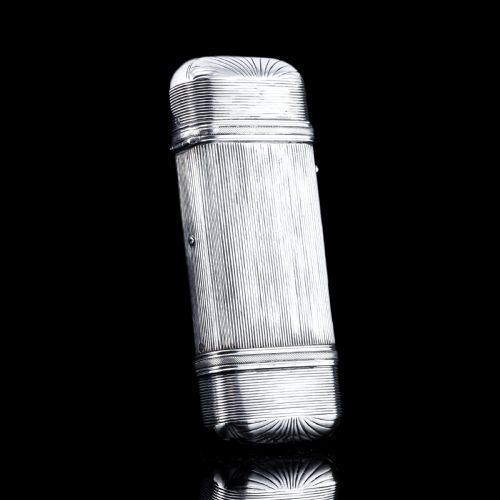
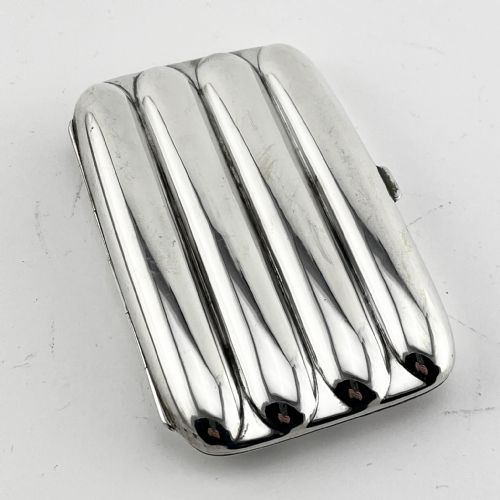
When you search for a victorian silver cigar case, you encounter solid metal receptacles designed to protect slender smoking forms in the pocket or travel bag. The pieces appearing here span rigid engraved silver covers, fitted leather shells with silver mounts, and novelty pocket designs shaped like torpedoes or multiple tubes.
Most examples hail from the Victorian era and the early twentieth century, taking the form of curved rectangular boxes or flexible multi-finger holders. Makers produced these accessories to securely house cigars, cheroots, or cigarettes while preventing tobacco damage during daily transport.
The selection ranges from plain polished English sterling surfaces to heavy gilt interiors and repousse panels depicting architectural scenes or natural motifs. Alongside standard pocket cases, the category occasionally encompasses larger travel boxes and hybrid designs incorporating vesta compartments.
How They Were Made
Silversmiths constructed these items using sterling silver sheets, applying techniques such as hand engraving, chasing, and repousse to articulate intricate foliage, birds, or hunting scenes across the exterior. Many interiors received a gold wash known as silver gilt, which protected the metal from the corrosive oils of tobacco.
Where leather or exotic skins like crocodile appear, artisans mounted sterling silver clasps, hinges, and corner guards to reinforce the flexible body of the case. Internal springs and rigid metal tubes kept individual cigars firmly separated and secure within the housing.
Victorian Silver Cigar Case Retail Price Guide 2026
Typical asking prices for victorian silver cigar case among the pieces listed under this phrase on Sellingantiques today, from the lower quarter to the upper quarter. They describe what is for sale here now, not the wider market.
Some Victorian smokers trusted double-ended torpedo cases that kept their supply balanced from either direction.
What Varies in Quality
Quality rests upon the depth and crispness of the hand engraving, the robustness of the hinge mechanism, and whether the internal dividers remain intact. Superior pieces feature detailed pictorial scenes or specialised novelty forms rather than simple machine stamping.
The weight of the solid silver gauge and the reputation of the silversmithing workshop further distinguish standard production items from masterworks. Preserved interior gilding and clean hallmarks add structural integrity and collectible merit to surviving examples.
Sampson Mordan & Co·Jane Brownett Alexander Jones·Henry Matthews·Nathaniel Mills·David Jellicoe Baker·Horton & Allday·William Summers·Yapp & Woodward·Hilliard & Thomason·George Unite·Alfred Taylor
The Victorian Silver Cigar Case Glossary
- Sterling Silver
- An alloy comprising ninety-two point five percent silver by mass, forming the primary structural material for quality Victorian smoking accessories.
- Silver Gilt
- Sterling silver that has been coated with a thin layer of gold on the interior surface, providing protection against tobacco acids.
- Repousse
- A metalworking technique where the silversmith hammers the design from the reverse side to form a raised relief on the front.
- Vesta Case
- A small pocket box intended for holding matches, frequently incorporated into the design of cigar and cheroot cases.
- Cheroot Case
- A slender variant of the cigar holder, scaled specifically to accommodate the narrower, open-ended shape of cheroots.
Victorian Silver Cigar Case: Frequently Asked Questions
What fits inside a pocket cigar case?
These cases accommodate traditional nineteenth-century cigars, cheroots, and occasionally cigarettes, depending on whether the internal layout uses solid tubes or flexible finger straps.
Individual compartments keep the tobacco secure and prevent the dry leaves from breaking during transport in a coat pocket.
How do I identify the maker?
Makers stamp their initials or full trade names directly into the silver alongside the assay office mark, date letter, and sterling standard lion passant.
Consulting regional punch records allows you to match these tiny stamped ciphers to specific nineteenth-century workshops and silversmiths.
Why are some interiors gold?
The golden coating is silver gilt, applied to prevent the natural oils and moisture of the tobacco from tarnishing the bare sterling metal.
This technique also offered a more luxurious finish to the inside of the case where the cigars rested.
Were these made for daily use?
Gentlemen carried them daily in breast pockets or travel bags to protect fragile tobacco wares from crushing throughout the Victorian period.
Robust hinges and secure clasps ensured the contents remained safe during travel and outdoor pursuits.