


Antique Cheroot Case
An antique cheroot case is a small, portable pocket container designed to hold slender cigars, and collectors prize them for their intricate metalwork and tactile variety.

Antique Cheroot Case
When you search for an antique cheroot case, you encounter slim, pocket-sized containers engineered to protect slender cigars or cheroot holders during travel. These pieces frequently overlap in form with card cases and cigarette holders, reflecting the shifting tobacco habits of the nineteenth and early twentieth centuries.
The versions you meet most often on this page date from the Victorian period through to the nineteen-twenties, appearing in forms ranging from rigid silver pockets to supple leather book-form folios. Many examples house a fitted interior designed specifically for a cheroot holder alongside the cigars themselves.
Makers shaped these objects to fit comfortably in a waistcoat pocket or evening bag, utilising durable substrates that could withstand daily carriage. Their survival in such diverse materials demonstrates both their utility and the high regard in which their original owners held them.
Materials and Craftsmanship
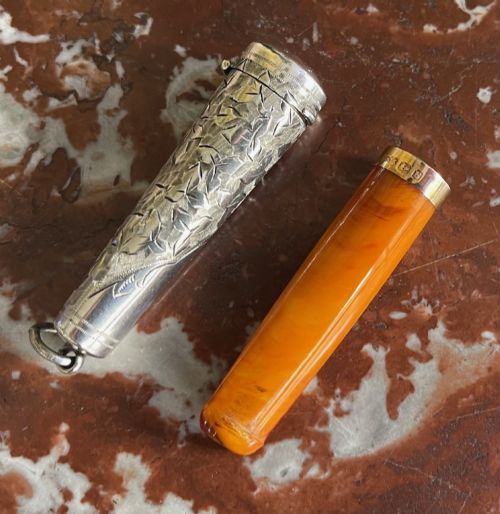
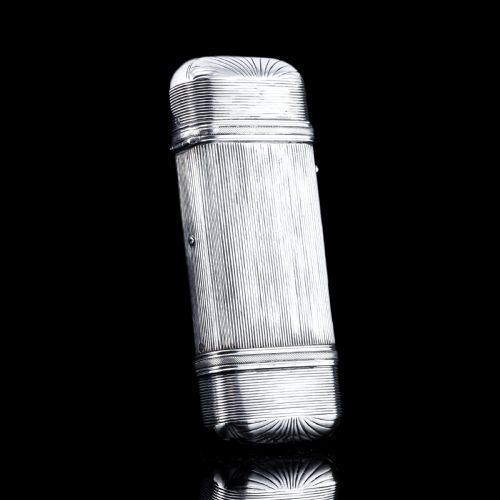
Silversmiths constructed the metal bodies of these cases using solid sterling silver or silver gilt, frequently applying engine-turning or reeded designs to create textured exterior surfaces. Engraving and repoussé techniques yielded elaborate floral motifs, hunting scenes, and architectural vignettes such as castle-top designs.
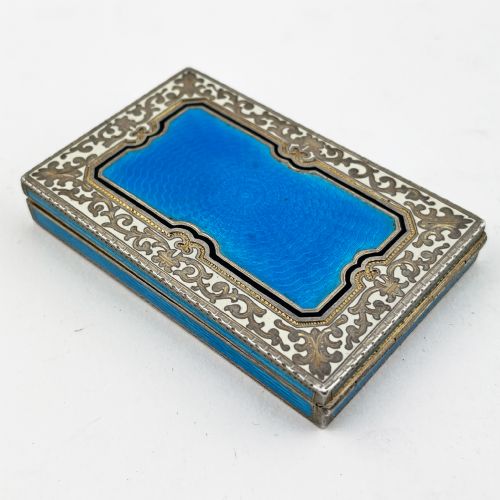
Beyond metal, makers employed organic and exotic materials including carved meerschaum, amber, crocodile skin, shagreen, and leather to construct the body or the internal holders. Vitreous enamel added vibrant colour panels in guilloche patterns, combining with gold mounts to elevate the luxury of the piece.
Distinctions in Quality
The distinction between standard production and top-tier work rests on the depth and precision of the exterior decoration, such as the crispness of a castle-top relief or the complexity of engine-turned patterns. Master silversmiths and renowned makers executed hand-chased details with sharp definition that remains distinct across the surface.
Material selection and internal preservation also dictate the standing of a piece, with intact vitreous enamel free of chipping and original fitted amber holders commanding greater interest. The integration of luxury finishes like heavy silver gilt or fine leather bindings marks out the superior examples.
Edward Edwards·Nathaniel Mills·Yapp and Woodward·Henry Williamson·Sampson Mordan
The Antique Cheroot Case Glossary
- Cheroot
- A narrow cigar with both ends cut straight, popular during the nineteenth century. These slender smokes required dedicated pocket protection to prevent crushing.
- Engine turned
- A geometric surface pattern cut mechanically into metal using a lathe. This technique produced precise, repeating lines across silver cases.
- Castle top
- A repoussé or engraved silver lid design depicting a specific British or European landmark. Windsor Castle designs represent notable examples of this style.
- Guilding
- A thin layer of gold applied to the interior or exterior of a silver object. This treatment protected the metal from tobacco tars and corrosion.
- Guilloche enamel
- Enamel applied over a mechanically engraved metal background. It creates a translucent, wavy pattern that reflects light beneath the coloured glass.
Antique Cheroot Case: Frequently Asked Questions
How were cheroot cases used?
Owners slipped these cases into waistcoats, pockets, or evening bags to protect fragile cheroots from bending or breaking while out. The slim profile ensured the tobacco remained secure and dry until required.
Many examples featured internal spring clips or fitted slots specifically designed to hold a cheroot securely in place. Some leather and metal versions doubled as card cases, serving multiple social functions simultaneously.
How do I date an antique cheroot case?
Dating relies primarily on hallmarks stamped into the silver components, which indicate the assay office, standard of metal, and year of manufacture. Maker marks provide additional clues to the specific decade of production.
Stylistic shifts also help identify the period, moving from Georgian engine-turned patterns through Victorian pictorial engraving to Edwardian enamel work. Material preferences, such as the use of crocodile skin or shagreen, align with specific late nineteenth and early twentieth-century tastes.
How should I care for my cheroot case?
Preserving a cheroot case involves handling delicate elements like vitreous enamel and amber with care to prevent impact damage. Leather and exotic skins benefit from dry storage away from direct sunlight.
Silver components require occasional gentle cleaning with a soft cloth to maintain the metal without wearing away crisp engravings or gold gilding. Keeping the interior free from moisture preserves the structural integrity of the linings and fitted mounts.