
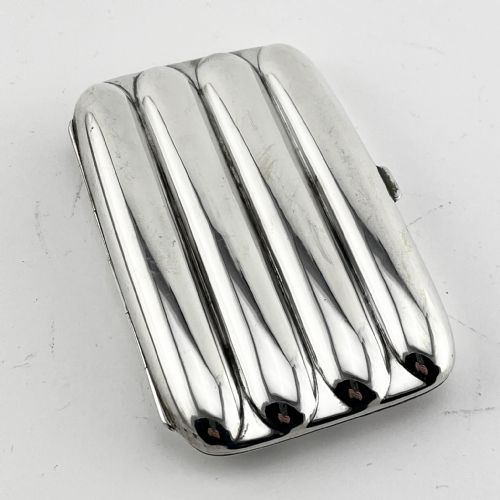


Victorian Cigar Case
A victorian cigar case brings nineteenth-century smoking habits to the pocket, offering rigid protection for cheroots through chased silver or fitted leather.

Victorian Cigar Case
When searching for a victorian cigar case, buyers encounter pocket containers designed to keep long tobacco rolls intact without crushing during travel. The most common examples on this page are rigid sterling silver pocket holders and flexible leather sleeves reinforced with silver mounts.
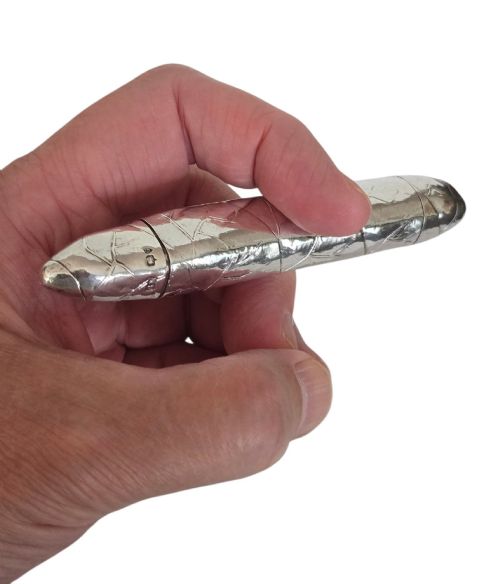
Most surviving pieces date from the nineteenth century, ranging from mid-Victorian chased metal to later Edwardian leather and metal combinations. Forms vary from flat double-sided folding sleeves to cylindrical tubes and curved torpedo shapes tailored to the pocket.
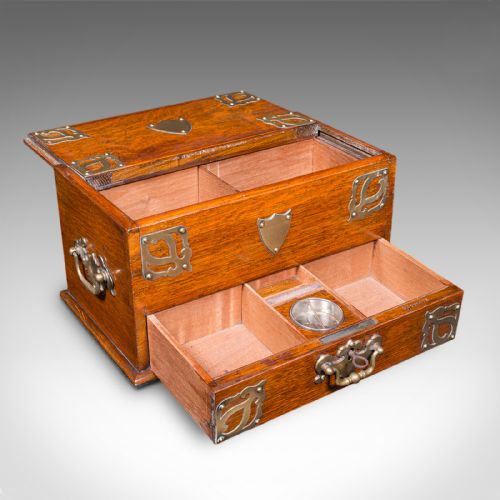
Makers produced these accessories for personal use or as presentation items, often incorporating internal elastic straps or rigid divisions to hold specific numbers of cigars. Alongside standard pocket sizes, larger travel boxes and smoker boxes appear for domestic storage.
How they were made
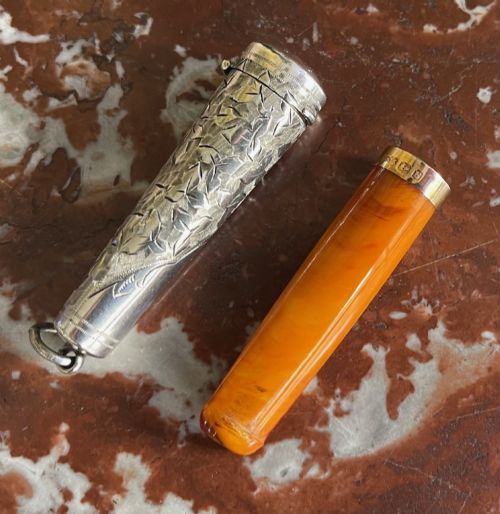
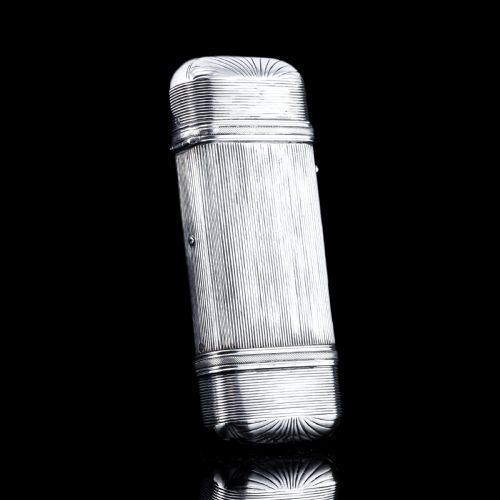
Silversmiths formed the metal cases from sterling silver or silver gilt, employing techniques like repousse work, hand engraving, and reeded designs to decorate the exterior. Many silver pieces feature complex scrollwork, birds, or architectural castle top scenes struck with Birmingham and London assay marks.
Other examples utilise exotic materials such as genuine crocodile leather paired with sterling silver mounts, amber, and oak. Internal construction often relies on leather linings, silk pockets, or silver finger divisions to secure the cigars safely.
Listings feature sterling silver, silver gilt, oak, amber, and genuine crocodile leather across pieces dated from the Victorian era into the early twentieth century.
What varies in quality
The standard of a victorian cigar case depends on the depth and crispness of the hand engraving and the structural integrity of the hinges and closures. Heavily chased repousse designs and specialised forms like castle tops or novelty shapes require superior craftsmanship compared to plain surfaces.
Material combination also defines the tier, with solid silver-gilt interiors and genuine crocodile leather representing high-grade manufacturing. The precision of the maker's marks and the original tightness of the internal cigar divisions further separate standard pocket items from masterwork pieces.
Sampson Mordan & Co·Nathaniel Mills·Henry Matthews·George Unite·Hilliard & Thomason·Yapp & Woodward·Horton & Allday
The Victorian Cigar Case Glossary
- Vesta case
- A small pocket box originally designed for holding wax matches before the widespread availability of safety matches. These often appear in collections alongside tobacco accessories.
- Cheroot
- A cylindrical cigar with both ends cut straight rather than tapered. Many cases are specifically sized to hold these narrower tobacco rolls.
- Repousse
- A metalworking technique where the artisan hammers the design from the reverse side to form a raised relief on the front. This method creates the deep floral scrolls seen on many nineteenth-century surfaces.
- Castle top
- A collector term for silver items featuring a detailed high-relief engraving of a specific landmark or building on the lid. Windsor Castle is a notable example found on these pieces.
- Silver gilt
- Sterling silver that has been coated with a thin layer of gold on the interior or exterior surface. This treatment provides a warm finish and protects the metal from tobacco tars.
Victorian Cigar Case: Frequently Asked Questions
What size cigars fit these cases?
Victorian cases were manufactured for the specific tobacco formats of the nineteenth century, which typically ran narrower and shorter than modern standards. Most pocket versions accommodate slender cheroots or small coronas.
Buyers should check internal length and width measurements carefully if intending to store contemporary handmade cigars.
How do I care for antique leather?
Crocodile and plain leather surfaces require gentle cleaning with a dry or barely damp cloth to remove surface dust. Avoid harsh chemical cleaners or excessive moisture that can weaken the hide and the stitching.
Applying a specialist neutral leather conditioner occasionally helps maintain flexibility in the vintage material.
Were these made for daily use?
Gentlemen carried these accessories daily in waistcoat or jacket pockets to protect fragile tobacco while moving about. The rigid metal walls and internal straps prevented the cigars from breaking during travel.
Today, collectors use them both as display objects and for occasional gentle use.
How do I read silver hallmarks?
British hallmarks stamped on the metal include a standard mark for silver purity, an assay office symbol indicating the town of testing, and a date letter for the specific year of manufacture. Maker's initials identify the specific workshop or silversmith responsible for the piece.
Reference guides match these punch marks to historical assay records.