



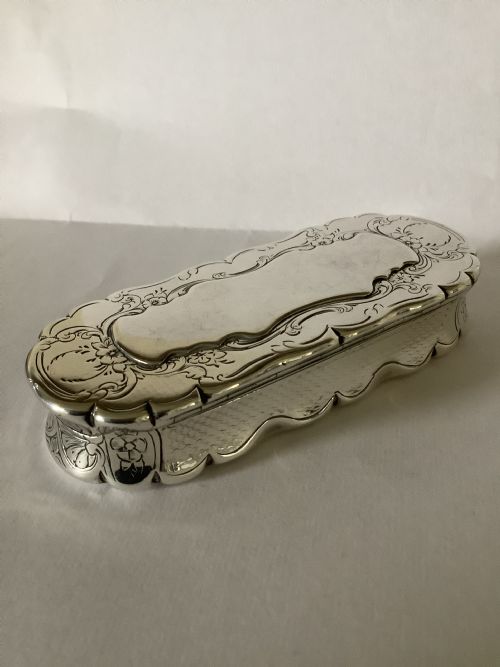


Victorian Silver Tobacco Accessory
These victorian silver tobacco accessory pieces bring pocket and table elegance to the smoker, offering clever housing for snuff, cigars, and pipes.

Victorian Silver Tobacco Accessory
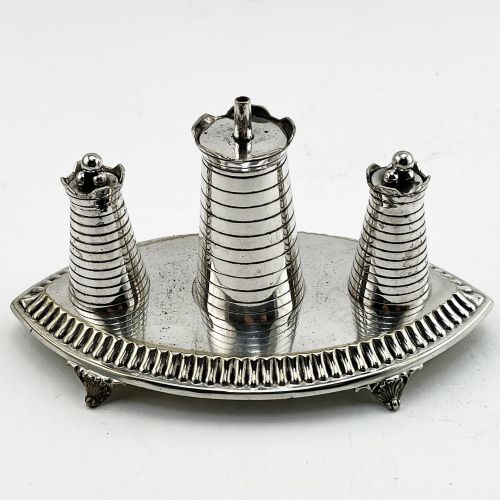
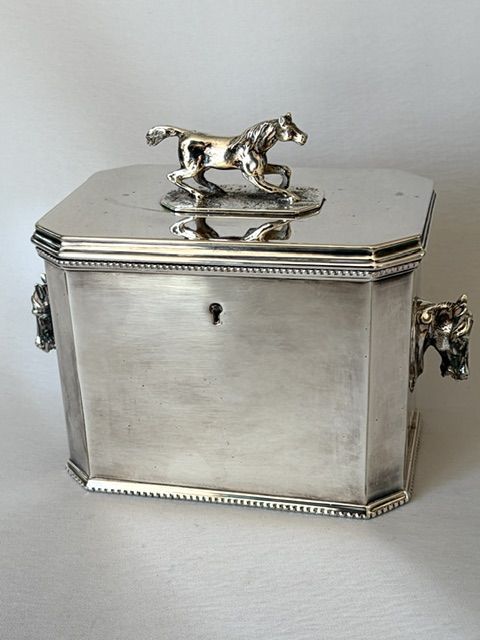
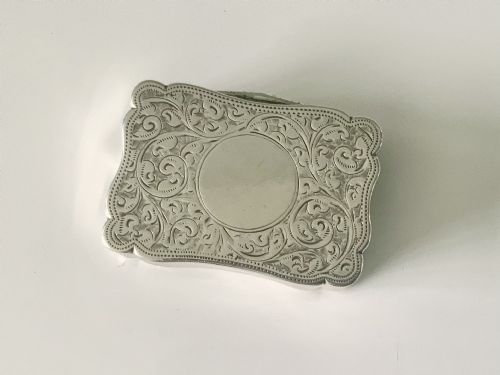
A victorian silver tobacco accessory encompasses functional pocket and table containers designed for smoking gear across the nineteenth century. The items on this page range from snuff boxes and cigar cases to table lighters, tobacco boxes, and pipe tampers.
Most examples date firmly within the Victorian era and the later decades of the nineteenth century. Buyers will frequently encounter silver snuff boxes bearing Birmingham or London hallmarks alongside fitted cigar cases and table boxes.
Form follows function closely in these objects, reflecting the specific social habits of the period. Pocket pieces curve to fit a waistcoat, whilst larger table lighters and humidors occupy a stationary position in the smoking room.
Materials and construction methods
Silversmiths utilised sterling silver, silver plate, and nickel silver as primary metallic foundations for these items. Solid silver pieces often display intricate exterior engraving, crests, and gilt interiors.
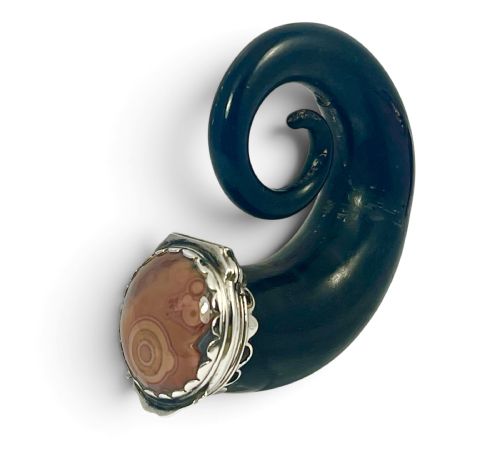
Makers frequently combined metal with organic materials such as horn, tortoiseshell, and agate. Scottish horn snuff mulls demonstrate traditional regional crafting methods using natural horn bodies paired with metal mounts.
Early smokers carried tiny dedicated picks alongside their tampers, proving that nineteenth-century pocket maintenance was serious business.
Judging the standard of execution
The distinction between standard items and superior examples lies in the crispness of the chasing and the precision of the hinge work. Master silversmiths achieved tight, flush closures on snuff and cigar boxes that endure across generations.
The inclusion of specific maker marks, London or Birmingham assay offices, and specialised interior gilding elevates a piece. Structural integrity in hinged elements and the retention of original organic panels like tortoiseshell determine lasting value.
Wright and Davies·Frederick Mason
The Victorian Silver Tobacco Accessory Glossary
- Snuff mull
- A traditional Scottish container used for holding dry snuff, usually fashioned from ram horn with metal mounts.
- Pipe tamper
- A small tool utilised by smokers to pack tobacco down evenly inside a pipe bowl before and during lighting.
- Humidor
- A specialised box or container designed to store cigars in a controlled environment.
- Gilt
- A thin layer of gold applied to the interior silver surface of a box or case to prevent corrosion from tobacco acids.
- Assay mark
- An official stamp indicating the purity of the metal and the office where it was tested.
Victorian Silver Tobacco Accessory: Frequently Asked Questions
What fits inside a victorian silver tobacco accessory?
These pieces were built to hold loose snuff, dried tobacco leaf, handmade cigars, cheroots, or cigarettes depending on the specific form. Pocket cases accommodated slim daily rations, whereas table boxes stored larger supplies for the home.
Fitted interiors sometimes included dedicated spaces for pipe tampers and cleaning picks alongside the main chamber. Each compartment was scaled strictly to the smoking customs of the nineteenth century.
How do I date a silver tobacco box?
Assay office stamps and date letters stamped directly into the metal provide the most reliable indication of age. British pieces typically feature standard hallmarks that pinpoint the exact year of manufacture.
Stylistic cues such as castle motifs, Victorian crests, and the choice of supplementary materials like tortoiseshell or horn also help narrow down the period of production.
Were these items used by men or women?
Nineteenth-century smoking accessories were primarily produced for gentlemen within private clubs, smoking rooms, and domestic parlours. Snuff taking and cigar smoking formed standard social rituals for men of means during the era.
Compact pocket versions travelled easily within waistcoats and pockets for outdoor use. Table models remained stationary in domestic smoking environments.
How should I clean antique silver tobacco items?
Gentle dusting with a soft cloth preserves the natural patina and delicate engraved details accumulated over generations. Avoid harsh chemical polishes that strip away subtle highlights and nineteenth-century hallmarks.
Organic elements like horn and tortoiseshell require separate care, keeping them away from excessive moisture and direct heat sources.