





Victorian Tobacco Case
These Victorian tobacco case examples are sturdy pocket vessels for smokers, built to keep leaf and cheroot safe in the waistcoat.
Victorian Tobacco Case
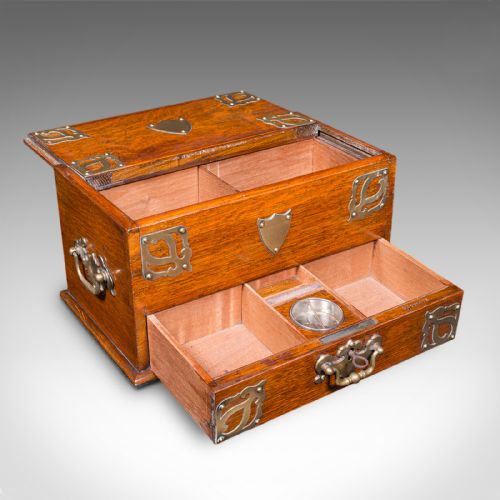
A victorian tobacco case encompasses solid silver containers, carved wood holders and tortoiseshell boxes designed for tobacco, snuff and cigars. The pieces span from the mid-nineteenth century into the Edwardian era, taking the form of pocket cases, club lounge smokers boxes and combination match holders.
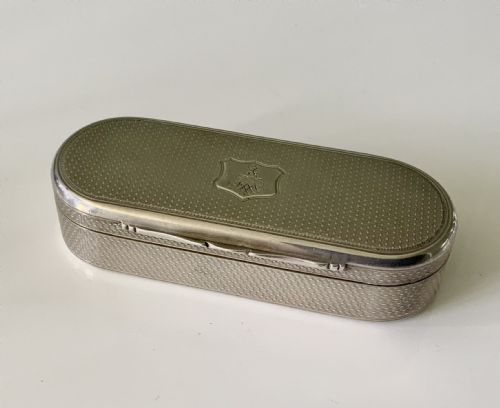
Makers adapted these vessels for specific smoking habits, producing double compartment snuff boxes, reeded cheroot cases and carved match dispensers. The selection ranges from plain silver forms to elaborate rococo revival and folk art designs.
Materials and construction
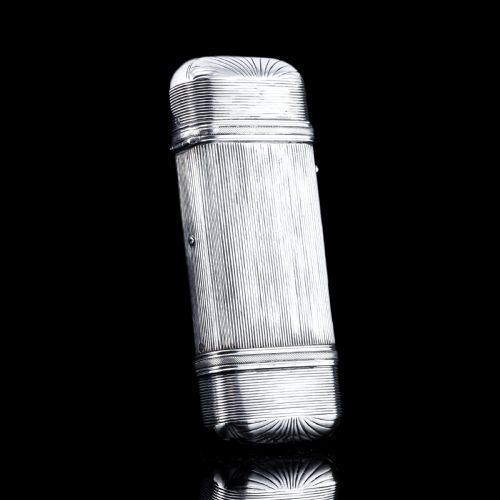
Metals dominate the construction, utilising sterling silver, solid silver, silver gilt and brass. Silversmiths employed heavy casting and reeded techniques to create rigid pocket cases with secure closures.
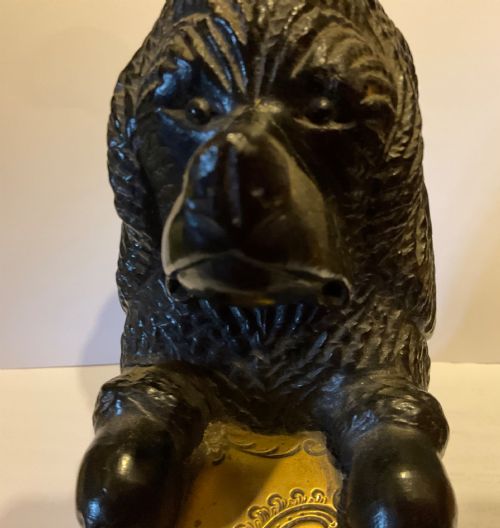
Organic materials provide an alternative texture, featuring carved wood, hard wood and tortoiseshell. Carvers worked these natural substances into intricate animal forms and detailed snuff boxes.
Materials span sterling silver, brass, silver gilt, carved wood, tortoiseshell and oak across Victorian, Edwardian and Georgian periods.
Standards of execution
The weight of the metal and the crispness of the casting set apart the heavier silver pieces from lighter stamped alternatives. Solid silver and silver gilt examples display deeper relief and more substantial hinges.
Hand carving quality dictates the appeal of the wooden and tortoiseshell pieces. Fine execution appears in the precision of the carved details on wooden match dispensers and smooth shell surfaces.
Sampson Mordan
The Victorian Tobacco Case Glossary
- Sterling Silver
- A silver alloy containing 92.5 percent pure silver by mass, standard for British pocket items. This metal provides the durability required for daily pocket use.
- Silver Gilt
- Silver that has been coated with a thin layer of gold on its interior or exterior surfaces. This technique adds warmth and protects the base metal from tobacco acids.
- Tortoiseshell
- The shell of certain turtle species used historically for small boxes and luxury goods. It offers a translucent mottled pattern prized by nineteenth-century makers.
- Reeded
- A decorative pattern of parallel convex mouldings applied to metal surfaces. This texture improves grip on pocket cigar cases.
- Vesta
- A pocket box designed to hold short matches, frequently combined with snuff or cigar compartments in Victorian combination pieces.
Victorian Tobacco Case: Frequently Asked Questions
What fits inside a victorian tobacco case?
These vessels accommodated the specific smoking goods of the nineteenth century, including loose tobacco, cheroots and thin cigars. Many featured dedicated spaces for matches or snuff.
Pocket versions held daily rations for the user, while larger table boxes stored supplies for the club lounge.
How do I date a silver case?
Dating relies on hallmarks stamped into the metal, which indicate the assay office and year of production. Stylistic clues such as reeded designs and rococo revival curves also point to specific decades.
Objects from the mid-nineteenth century often display heavier cast silver construction compared to later Edwardian examples.
Are wooden cases fragile?
Carved wood and tortoiseshell require careful handling compared to solid silver equivalents. The natural materials can dry out or crack if exposed to extreme humidity changes.
Pocket wooden containers demand more care than desk boxes due to the pressure of daily carrying.
What is the difference between a snuff and cigar case?
Snuff boxes are generally smaller and deeper to hold powdered tobacco, whereas cigar cases are elongated and curved to fit cheroots. Some Victorian combinations merge both functions into a single piece.
Internal depth and overall geometry separate the pocket forms designed for smoking from those meant for snuff.