

Antique Dutch Silver
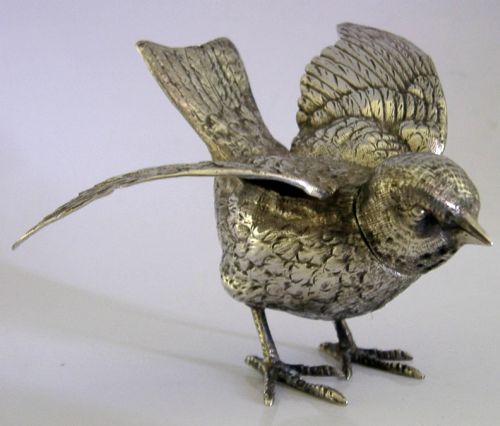
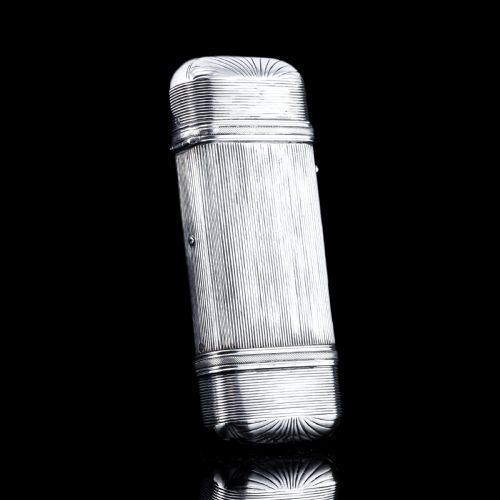
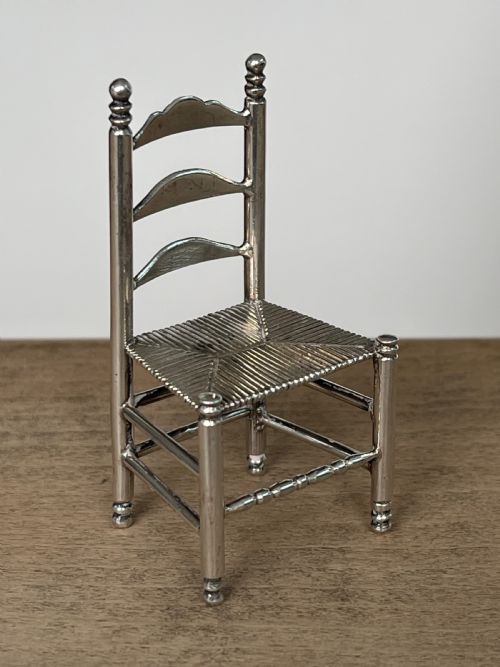
Antique dutch silver brings together intricate miniature models, embossed boxes and heavy table pieces spanning several centuries of silversmithing.
Antique Dutch Silver
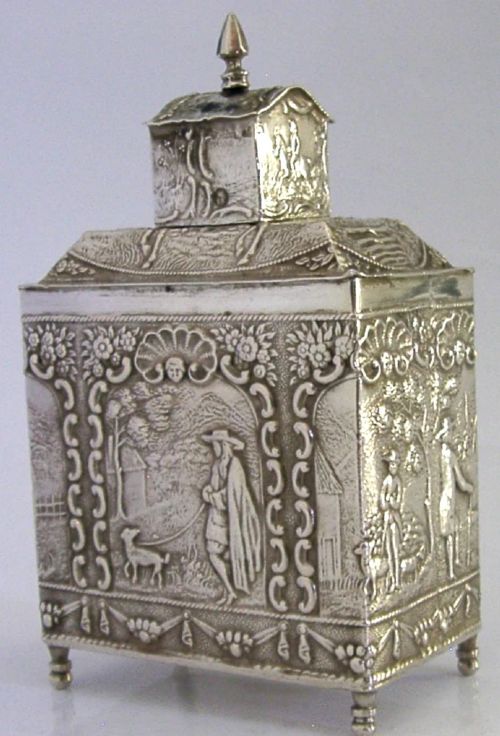
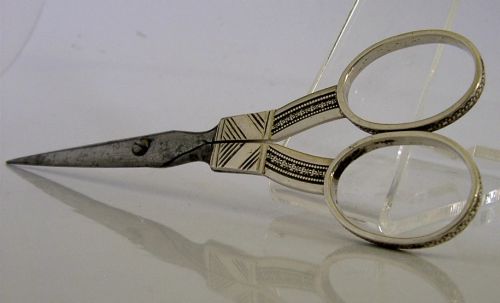
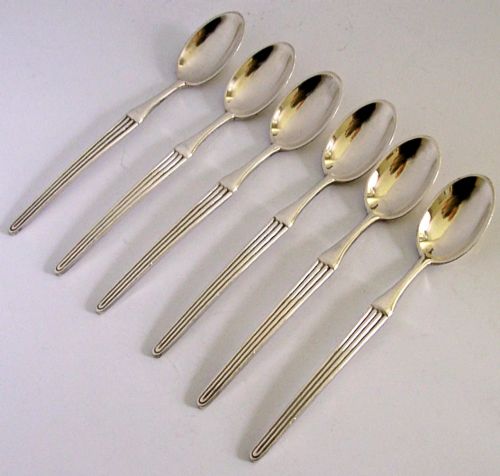
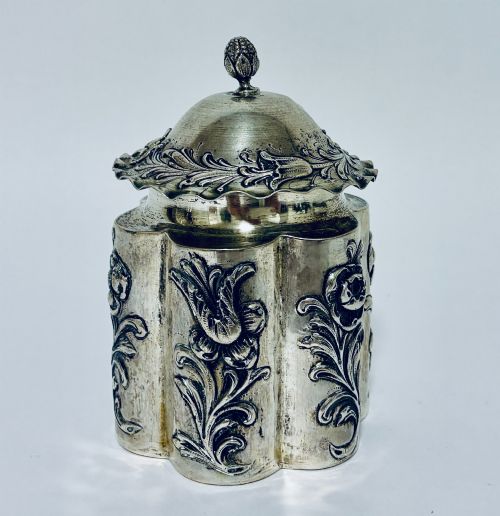
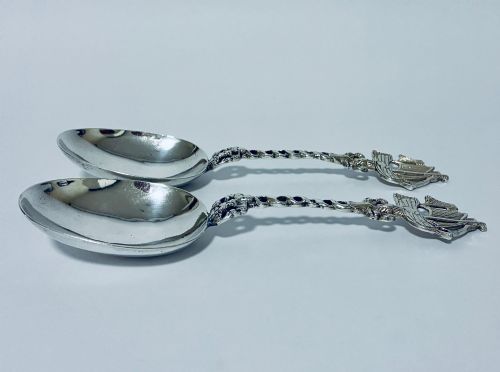
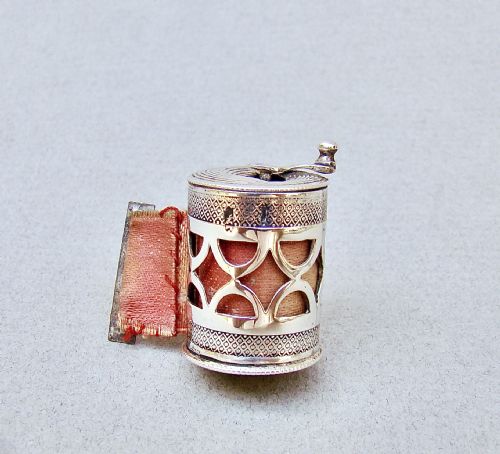
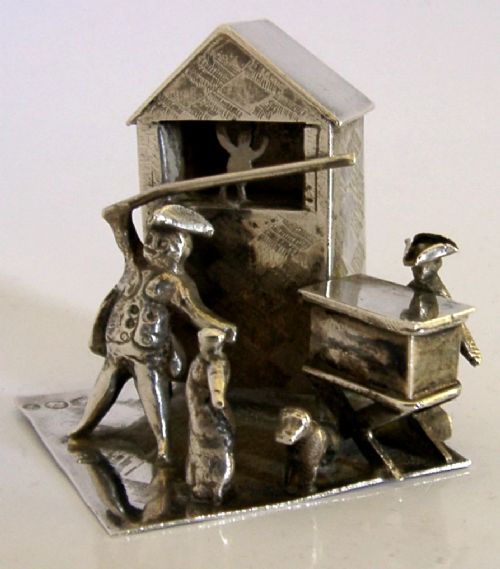
Functional items such as tea caddies, sewing accessories, snuff boxes and spoons appear frequently alongside elaborate figural pieces and miniature carriages. These objects reflect both everyday domestic utility and the ornate decorative tastes of European households from the seventeenth century through the mid twentieth century.
The material record shows a strong presence of solid silver, often marked at standard purities such as 833, alongside silver gilt and combined media incorporating tortoiseshell, glass, mother of pearl and wood. Pieces vary from functional tableware to highly decorative display items and wearable accessories.
How they were made
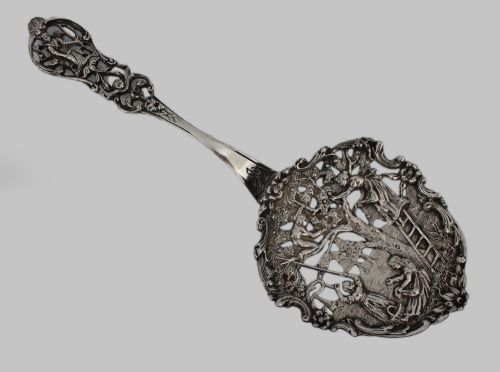
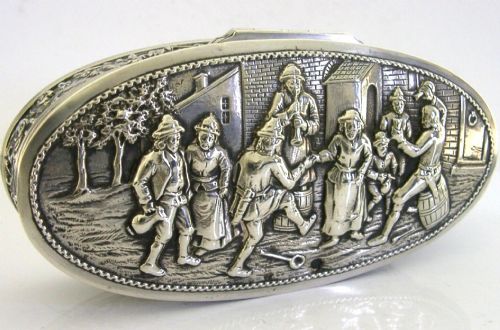
Silversmiths utilised traditional techniques including hand hammering, repoussé embossing and piercing to shape solid silver into complex domestic forms and decorative vessels. Fine detailing on miniatures and boxes often involved meticulous chasing and engraving.
Many items incorporate mixed materials recorded in the evidence, pairing solid silver mounts with carved tortoiseshell, cut crystal glass, mother of pearl panels and wooden or paper elements. Gilding was also applied to select spoons, boxes and interior surfaces.
Marking practices on these items include standard silver hallmarks, import marks and maker stamps that help identify the period of production, from eighteenth century domestic pieces to later export work.
Listings feature periods from the seventeenth century through the 1930s, utilising materials including silver, tortoiseshell, glass and pewter.
What varies in quality
The complexity and weight of the silver item also dictate its standing, with heavy solid silver table boxes and finely articulated miniatures representing higher levels of skill than simpler stamped items.
Preservation of original surface details, clear hallmarks and intact secondary materials like tortoiseshell or glass liners contribute to the overall desirability of individual pieces.
Jan van Couver·Liberty And Co
The Antique Dutch Silver Glossary
- Repoussé
- A metalworking technique where the silversmith hammers the design from the reverse side to create a raised relief on the front. This method defines much of the ornamentation found on decorative boxes and bowls.
- Hallmark
- An official stamp applied to precious metals to indicate purity, origin and maker. These marks provide essential clues for dating and authenticating pieces.
- Brandy bowl
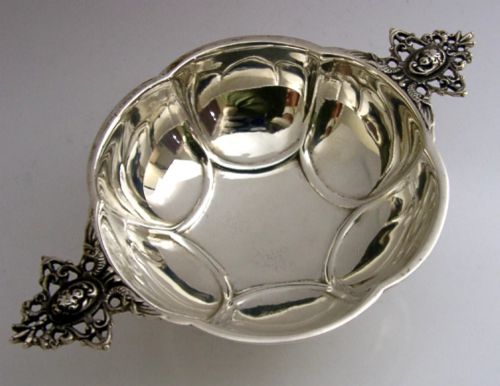
- A traditional vessel, often featuring handles and embossed decoration, used for serving spirits. These items are sometimes compared to Scottish quaichs.
- Silver gilt
- Silver objects that have been coated with a thin layer of gold on the surface. This technique adds warmth and protects the underlying metal.
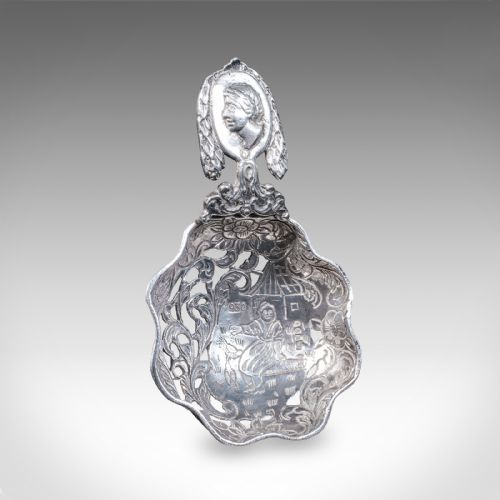
- Caddy spoon
- A short handled spoon specifically designed for measuring loose tea leaves from a canister. Examples often feature shaped bowls and engraved handles.
Antique Dutch Silver: Frequently Asked Questions
What is antique dutch silver?
Antique dutch silver encompasses items made in the Netherlands from the sixteenth century onwards, including domestic tableware, boxes and intricate silver miniatures.
These pieces reflect changing artistic styles from baroque and rococo revivals to art deco and traditional regional designs.
How were miniatures used?
Miniature silver models of furniture, boats and animals served primarily as decorative cabinet pieces rather than functional toys.
Wealthy collectors displayed these delicate items in specialised dollhouses or curiosity cabinets.
How do I identify hallmarks?
Hallmarks stamped onto the silver surface indicate the purity standard, the city of origin and the active period of the silversmith.
Import marks and standard numbers like 833 frequently appear on pieces intended for international trade.
What materials accompany the silver?
Many silver items incorporate contrasting materials such as tortoiseshell, glass, mother of pearl and wood.
Caskets, snuff boxes and tea caddies often pair these natural substances with intricate silver mounts and hinges.