


Sterling Silver Miniature
When you handle a sterling silver miniature, you hold the domestic and whimsical world scaled down into a pocket-sized object of remarkable detail.
Sterling Silver Miniature
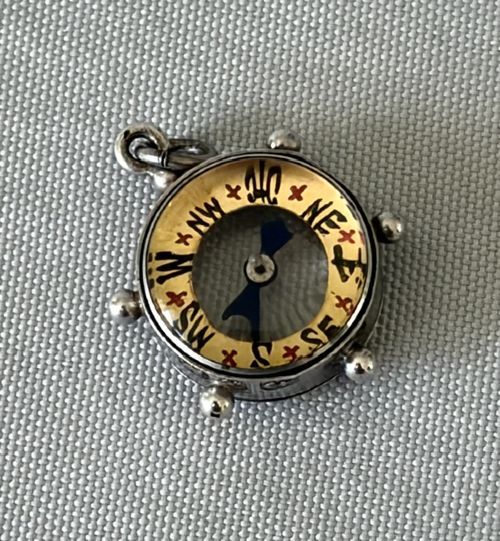
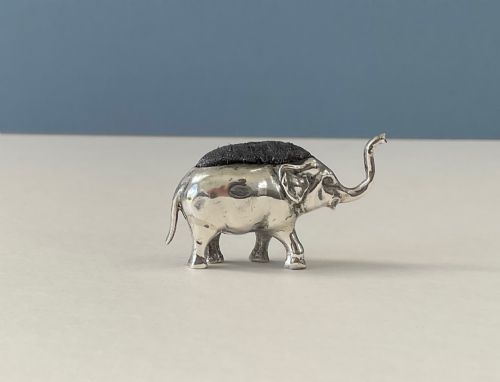
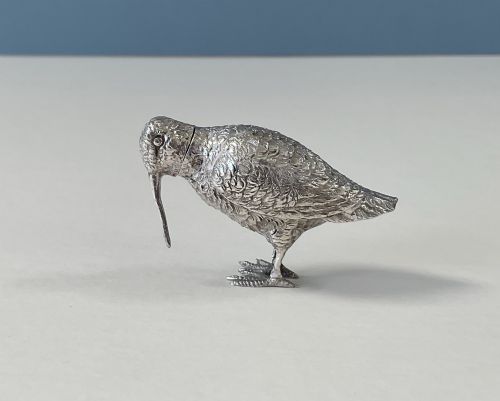
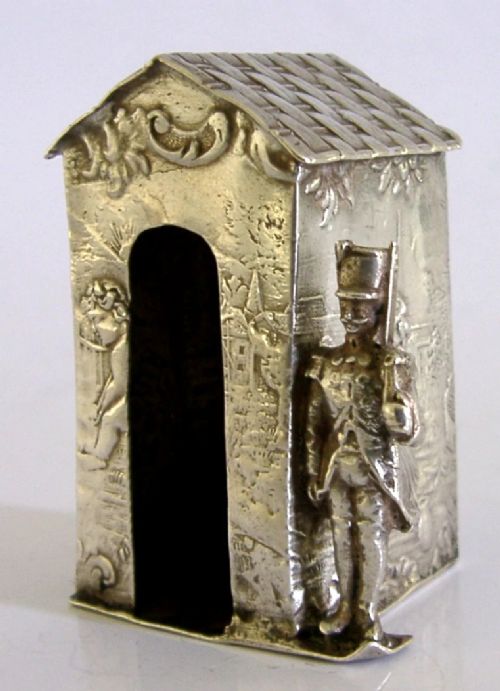
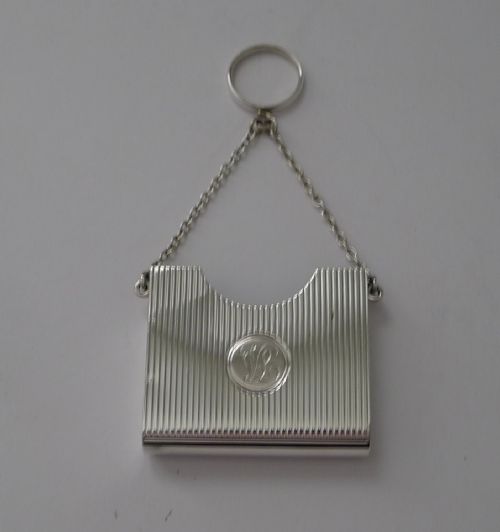
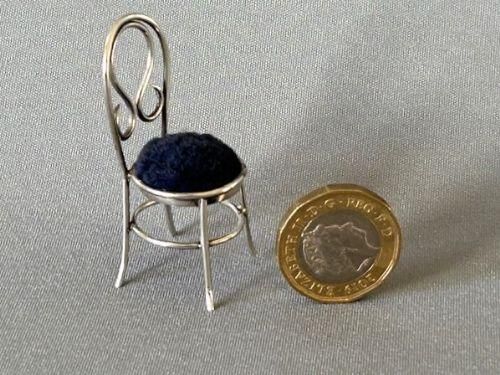
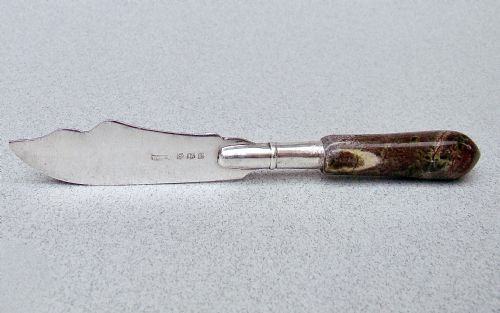
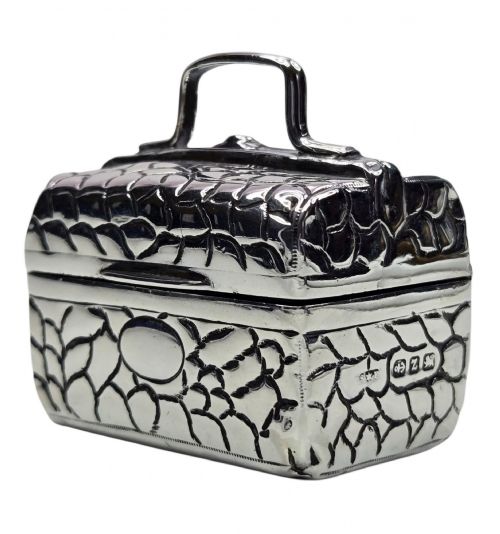
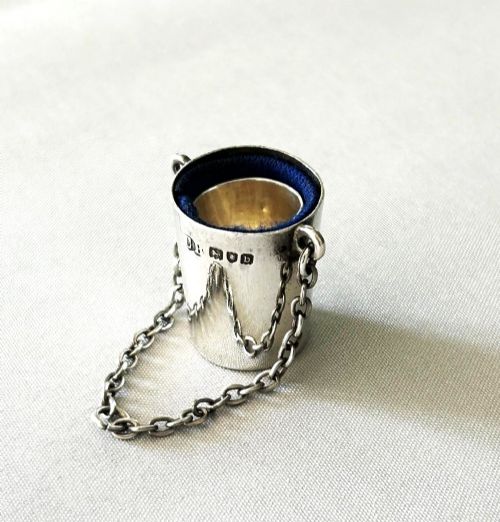
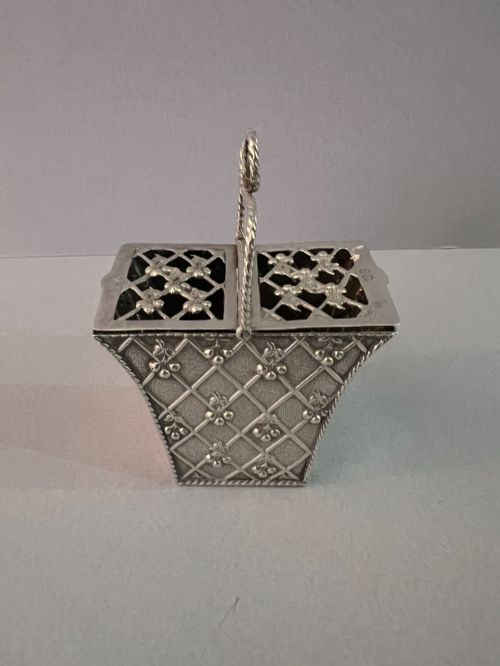
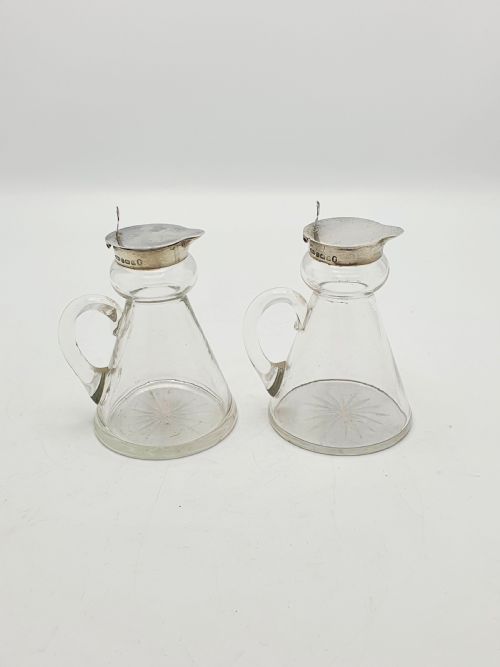
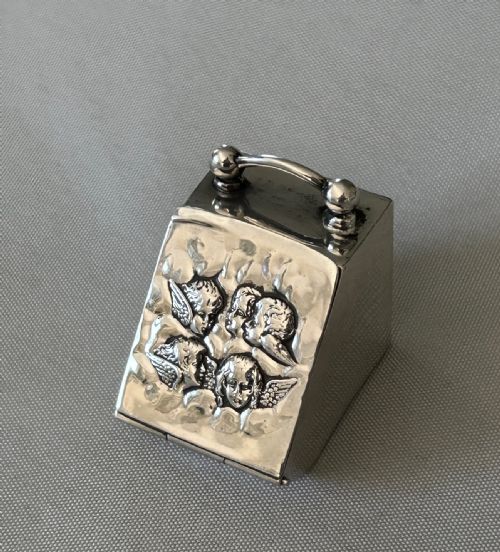
A sterling silver miniature encompasses small-scale objects produced primarily during the Victorian, Edwardian, and Georgian periods, spanning domestic items, desk accessories, and novelty figures. These range from functional items like tiny spirit kettles, whiskey noggins, and carriage clocks to fanciful animal pin cushions and dolls house furniture.
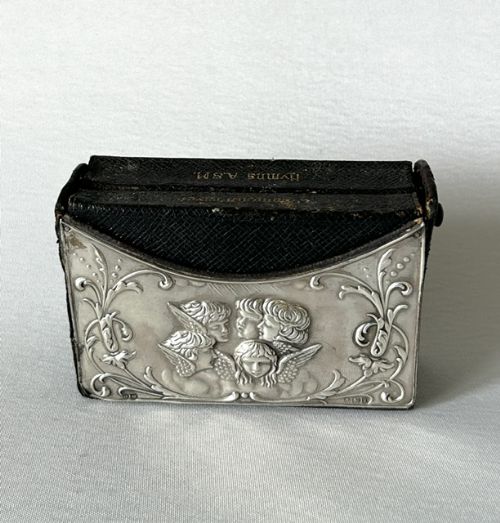
Collectors encounter pieces that served various historical roles, from playful toys and desk ornaments to miniature tableware and pocket-sized containers for pills, stamps, or prayer books. Each surviving example demonstrates the Victorian and Edwardian appetite for diminutive craftsmanship and playful realism.
How they were made
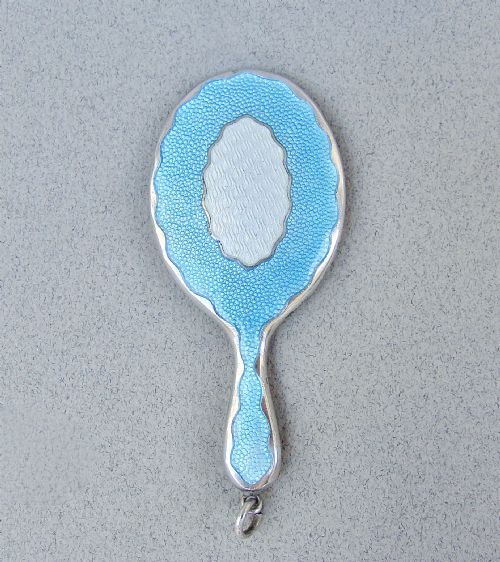
Silversmiths utilised sterling silver alongside secondary materials such as glass, velvet, enamel, wood, and leather, combining metalwork with textile inserts like plush pin cushion pads. Guilloché enamel added translucent colour to compacts, mirrors, and timepieces.
Listings feature items spanning the eighteenth, nineteenth, and twentieth centuries, incorporating Georgian, Victorian, Edwardian, and Art Deco designs.
What varies in quality
Quality rests upon the crispness of the chasing and the anatomical accuracy of animal forms, where master silversmiths captured textures rather than relying on flat casting. Hallmark clarity and the reputation of makers such as Sampson Mordan or Berthold Muller elevate certain pieces above standard production work.
The integration of mixed media, such as undamaged enamel panels, well-fitted glass inserts in whiskey noggins, and original velvet or satin pads within pin cushions, distinguishes superior examples. Maker marks and registration numbers provide documentary depth that adds distinction to individual objects.
Sampson Mordan and Co·Berthold Muller·Henry Williamson·Vale and John·Henry Matthews·Samuel Pemberton·Elizabeth Morley·Hukin and Heath·Asprey
The Sterling Silver Miniature Glossary
- Sterling silver
- A silver alloy containing 92.5 percent pure silver and 7.5 percent other metals, usually copper, ensuring structural durability for intricate small-scale objects.
- Pin cushion
- A padded receptacle integrated into novelty silver figures, such as animals or wheelbarrows, designed to hold sewing pins securely.
- Hanau silver
- Silverware produced by silversmithing firms in Hanau, Germany, often copying earlier historical styles and imported for the British market.
- Guilloché enamel
- Decorative mechanical engraving beneath a translucent enamel layer, frequently applied to miniature mirrors, purses, and timepieces.
- Whiskey noggin
- A small drinking vessel or miniature decanter, often featuring a sterling silver mount and hinged lid, used for individual portions of spirits.
Sterling Silver Miniature: Frequently Asked Questions
What were sterling silver miniatures used for?
Many served as decorative ornaments, desk accessories, or playthings for dolls houses, while others had practical functions as pocket containers, pill boxes, or stamp rollers.
Wealthy households also used them as novelty table pieces or conversation items during dinner parties.
How can I date my silver miniature?
British pieces typically feature hallmarks including a date letter, assay office mark, and the lion passant indicating sterling standard.
Imported continental pieces often carry standard foreign marks and sponsor's marks that record the year of entry into Britain.
Are all miniatures British made?
A substantial portion originates from British workshops in Birmingham, Chester, and London, bearing domestic assay stamps.
Continental workshops, particularly in Hanau, also produced many imported novelty miniatures that flooded the British market during the late nineteenth century.
How do I care for antique silver miniatures?
Gentle dusting with a soft, dry cloth preserves the patina and avoids wearing away delicate chased details or raised engraving.
Harsh chemical dips should be avoided, especially on pieces containing enamel, glass inserts, or delicate fabric pin cushion pads.