



Antique Silver Statuette
An antique silver statuette brings animal and human subjects to life in miniature, offering collectors a tangible piece of past craftsmanship.
Antique Silver Statuette
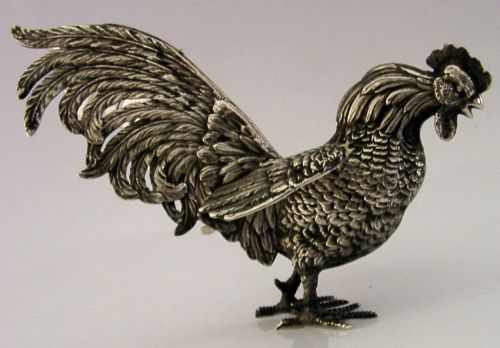
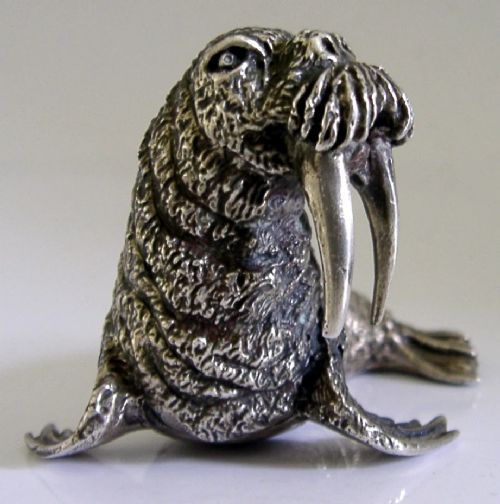
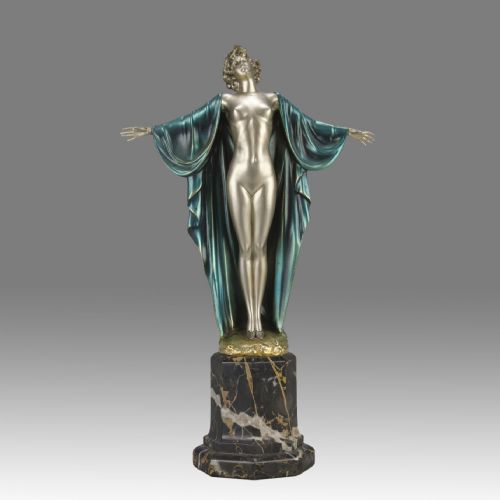
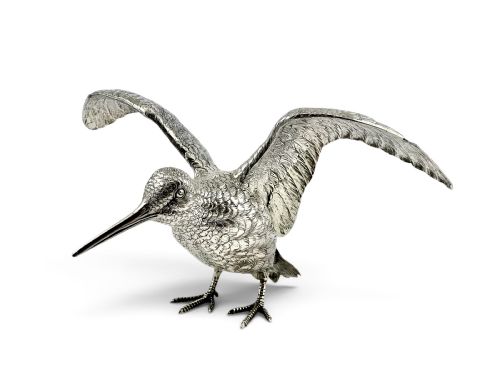
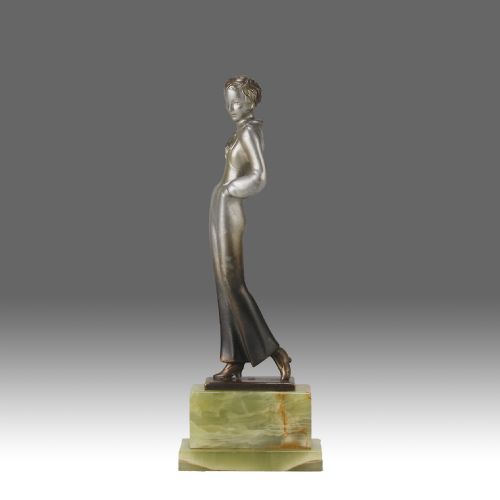
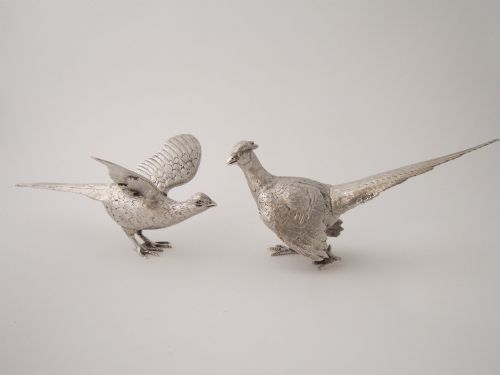
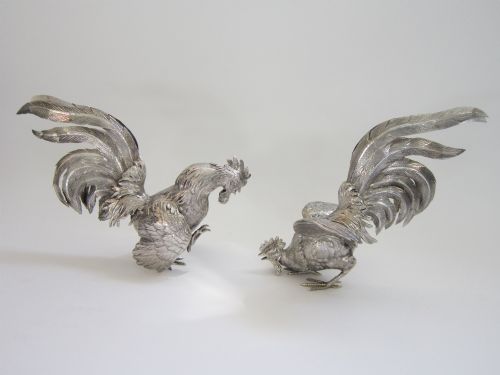
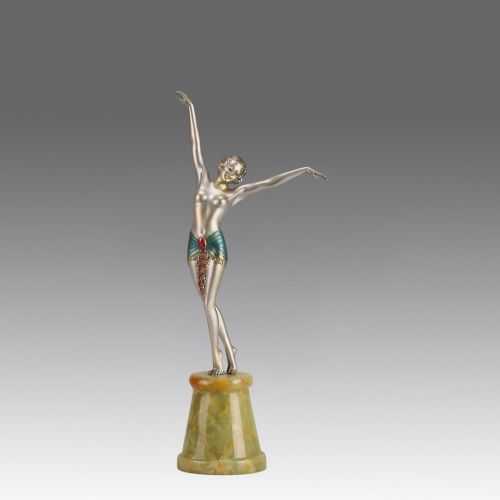
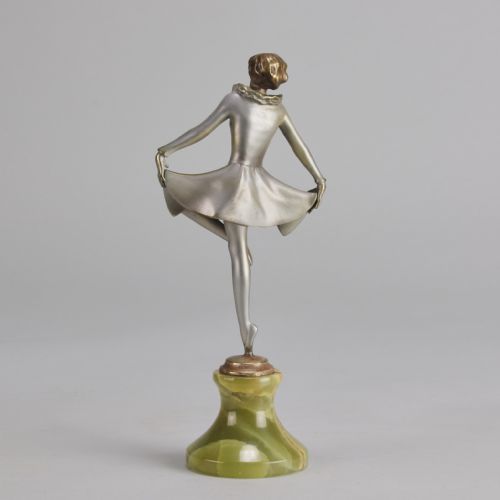
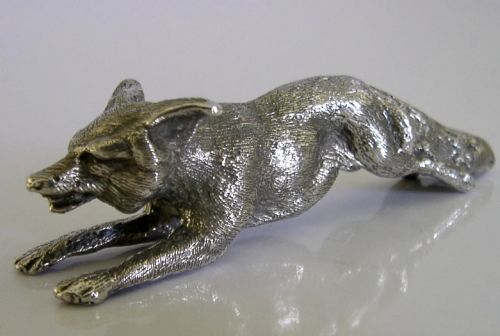
When you examine an antique silver statuette, you look at small sculptural objects designed as table ornaments, figurines, or presentation trophies. These pieces depict animals such as birds, walruses, and cockerels, alongside human figures ranging from dancers to historical rulers.
The selections available span multiple eras, most frequently drawing from Victorian, Edwardian, and mid-century twentieth-century periods. You will encounter works reflecting Art Deco tastes alongside traditional animal studies and colonial presentations.
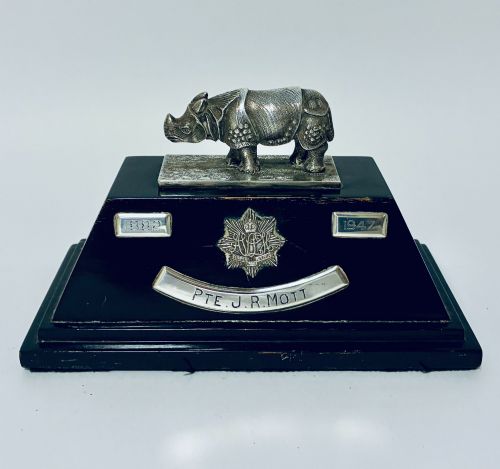
Makers utilise various forms to present these figures, mounting them on wooden plinths, marble bases, or letting them stand independently as cast solid metal pieces. Each item serves primarily as a decorative accent or desk ornament rather than a utilitarian vessel.
Materials and methods
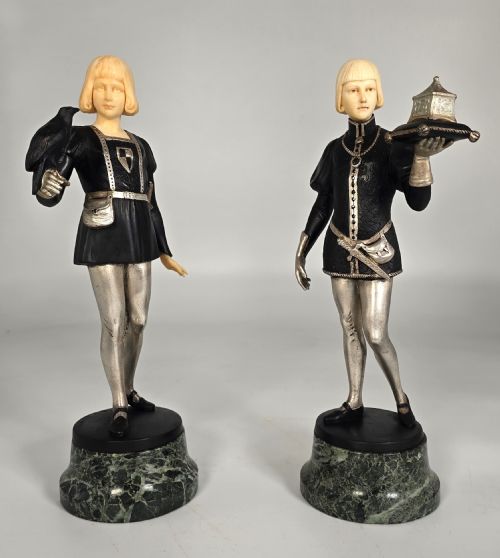
Craftsmen utilised sterling silver, solid silver, and silvered bronze to construct these figures, often combining metals with organic elements like ivory, wood, marble, and onyx bases. Cold-painted finishes appear frequently on bronze and metal sculptures to add colour and detail to dancers and animal subjects.
Foundries employed casting techniques to shape molten metal into intricate models of birds, human figures, and sporting subjects. Artisans then finished these pieces by hand, adding engraved textures, enamel accents, or mounting the finished figures onto heavy stone plinths.
The sculptural subjects span realistic British wildlife including woodcocks, foxes, and pheasants, alongside stylised human dancers and historical figures.
Factors of quality
The standard of a piece rests heavily on the crispness of the casting and the sensitivity of the hand-finishing work. Figures with sharp anatomical details, clear feather or fabric textures, and well-preserved cold-painted or silvered surfaces stand apart from simpler castings.
The integration of the figure with its base also dictates the standard of execution. Pieces where the silver, bronze, or spelter is securely fitted to polished marble, ebony, or wood plinths demonstrate higher original craftsmanship.
Ferdinand Preiss·Josef Lorenzl·Berthold Muller·Edward and John Barnard·Claire Jeanne Roberte Colinet·Demetre Chiparus·Michel Decoux·Gotthilf Jaeger
The Antique Silver Statuette Glossary
- Cold-painted bronze
- A technique where bronze sculptures are painted with natural oil paints and heated gently to bond the colour to the metal. This method was widely used in Vienna during the early twentieth century.
- Sterling silver
- An alloy comprising a high proportion of pure silver combined with other metals for durability. British pieces typically bear hallmarks verifying this standard.
- Spelter
- A zinc alloy commonly utilised as a substitute for bronze in decorative figures. It accepted patination and metallic paint finishes well, particularly during the Art Deco period.
- Hallmark
- A series of official marks stamped onto precious metal items in Britain. These marks indicate the maker, the assay office, the purity standard, and the year of manufacture.
- Plinth
- A heavy base or pedestal supporting a sculpture or figurine. These are frequently formed from contrasting materials such as black ebony, marble, or onyx.
Antique Silver Statuette: Frequently Asked Questions
What periods do these statuettes come from?
The pieces span from the late Victorian and Edwardian eras through the Art Deco movement and into the mid-twentieth century. Makers produced these decorative figures across multiple decades using prevailing artistic styles of each generation.
Dates are often confirmed through official hallmarks stamped directly onto the silver or through documented foundry practices associated with known sculptors.
How were these figures originally displayed?
Owners typically placed these small sculptures on drawing-room tables, desks, mantelpieces, or inside cabinet displays. Many were designed as desktop paperweights or dedicated presentation trophies for sporting events.
Some models incorporated heavy marble or wooden plinths so they could stand securely without tipping over on polished furniture.
How do I care for silver and bronze pieces?
Silver components benefit from gentle dusting with a soft cloth and occasional careful polishing to prevent heavy tarnish. Bronze and silvered surfaces require simple dry cleaning to avoid damaging delicate patinas or cold-painted details.
Keeping these items away from direct moisture and extreme temperature changes preserves the integrity of both the metal and any attached stone or wooden bases.
How do I identify different sculptural styles?
Art Deco figures typically feature stylised human forms, sleek dancers, and geometric lines, while Victorian and Edwardian examples lean towards realistic animal studies and traditional portraiture. Examining the posture, clothing, and overall aesthetic provides clear clues to the design era.
Signatures inscribed on the base or specific foundry marks also help connect individual pieces to their original artistic movements.