


Silver Animal Statue
A silver animal statue brings the natural world indoors through solid metal, cast bronze, and plated finishes shaped across the nineteenth and twentieth centuries.
Silver Animal Statue
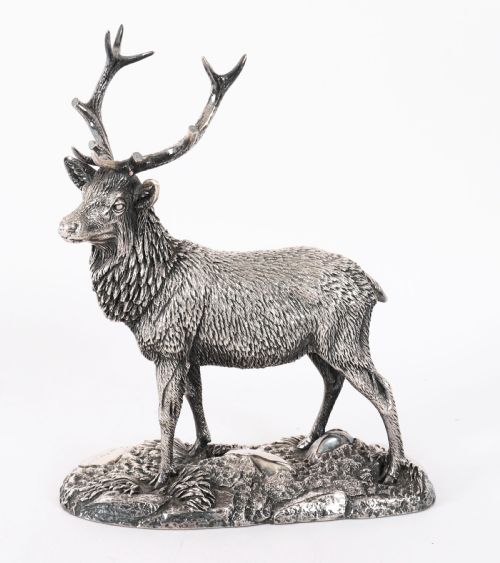
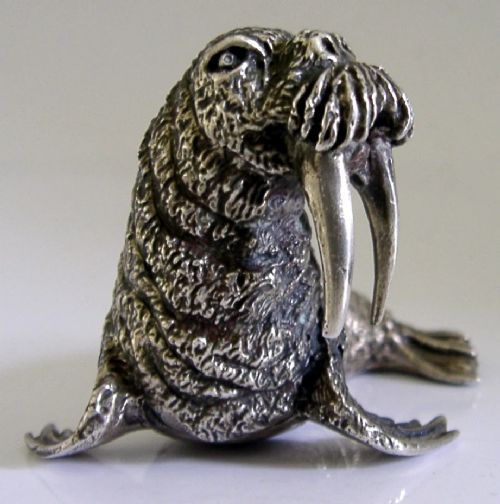
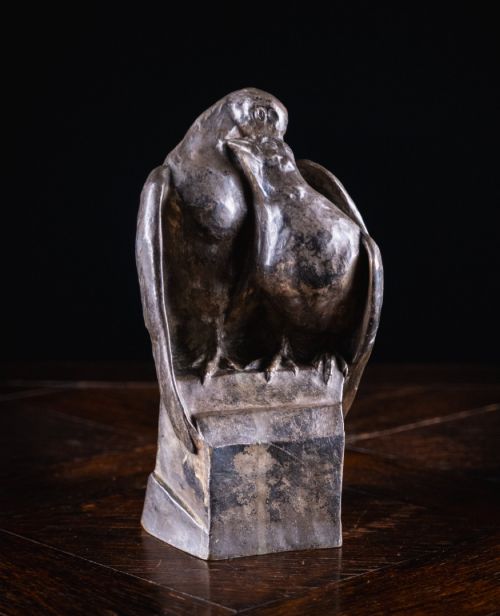
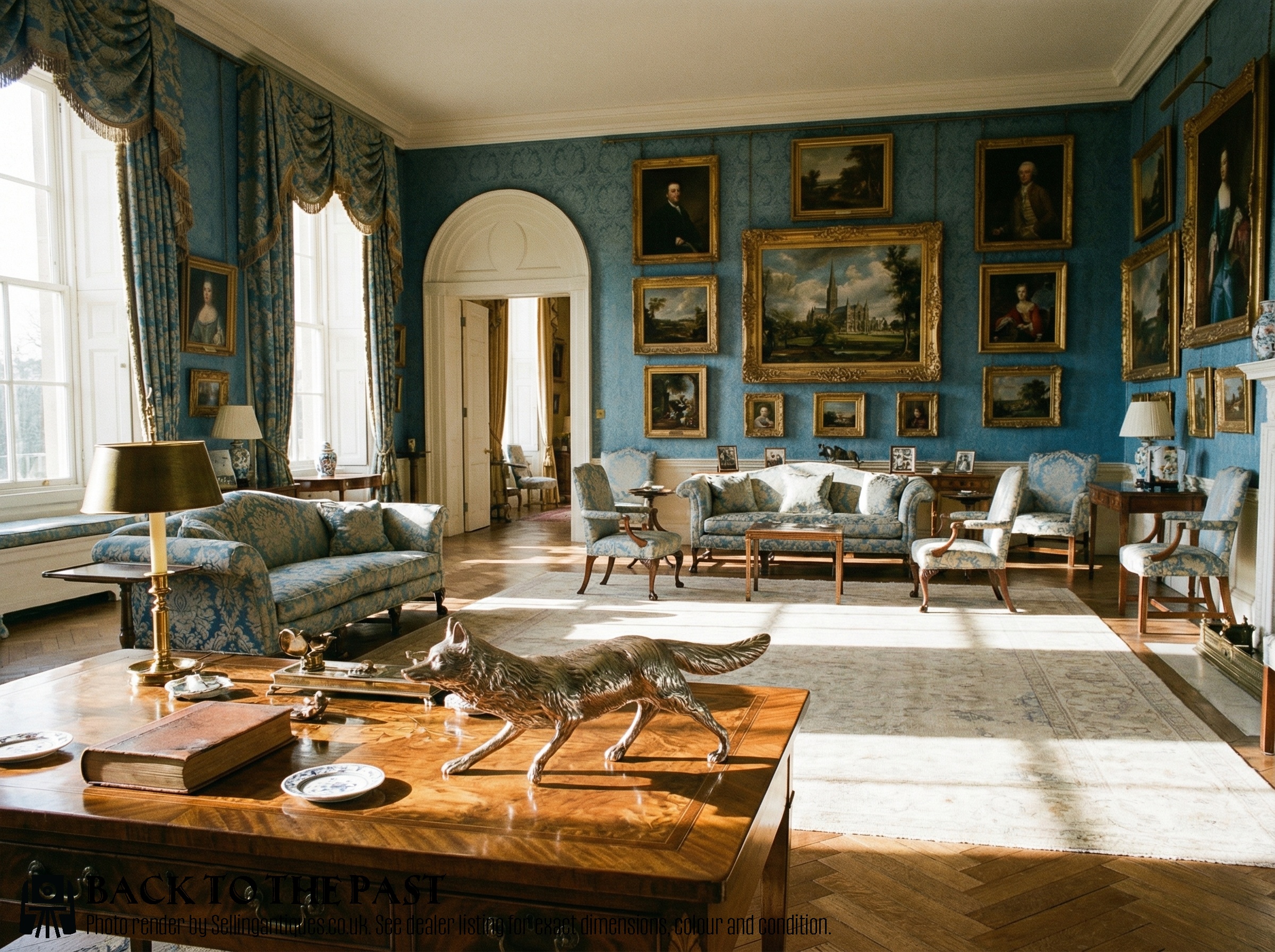
A silver animal statue encompasses sculptural figures of stags, walruses, pigeons, cockerels, greyhounds, foxes, lion fish, woodcocks, panthers, and horses.
The objects appearing here span Victorian, Edwardian, and Art Deco eras, extending into mid-century Italian and later twentieth-century decorative workshops.
Makers and origins include Hanau, Rome, and named artists working in sterling silver, silvered bronze, and silver plate.
Materials and methods
Pieces take shape through casting in bronze, metal, or silver, often paired with stone or marble bases.
Surfaces receive finishes including silver plating, silver gilt, and silvered bronze to achieve varied reflectivity and texture.
Listings feature items from the Victorian period, Art Deco style, and mid-century Italian workshops in silver, bronze, and marble.
Assessing quality
Distinction lies in the fidelity of anatomical rendering, from the musculature of greyhounds and panthers to the feather detail on cockerels and woodcocks.
The weight of the metal and the presence of signatures or town marks, such as those from Hanau or Rome, separate standard items from superior works.
Tom Mackie·Frederique Cederlund-Ozanne·Karl Hagenaur·Mario Bucellati·Michel Decoux
The Silver Animal Statue Glossary
- Animalier
- A nineteenth-century artistic movement dedicated to the realistic portrayal of animals. Sculptors in this style focused on motion and anatomy.
- Sterling silver
- An alloy containing ninety-two point five percent silver by mass, with the remainder being other metals, usually copper. It provides durability alongside a bright lustre.
- Silvered bronze
- A bronze casting coated with a thin layer of silver. This technique combines the strength of bronze with the appearance of solid silver.
- Silver gilt
- Silver objects that have been coated with a thin layer of gold on the surface. This finish creates a warm two-tone metallic effect.
- Hanau
- A German town historically famous for silversmithing and the production of decorative figures. Hanau pieces frequently emulate earlier historical styles.
Silver Animal Statue: Frequently Asked Questions
What periods do these statues date from?
The selections span from the Victorian and Edwardian eras through Art Deco and mid-century modern designs.
Items date from the nineteenth century up to the later twentieth century.
What metals are used in these figures?
Pieces are fashioned from solid sterling silver, silver plate, nickel bronze, and silvered bronze.
Some examples also incorporate marble or stone bases.
How do I identify a Hanau piece?
Hanau silver figures often carry specific marks associated with the German manufacturing town and mimic historical periods.
They appear alongside English, Italian, and continental European works.
Where should I display a heavy figure?
Substantial pieces like silver stags or walruses require stable surfaces such as sideboards or heavy tables.
Marble-based sculptures need adequate weight support to ensure stability.