


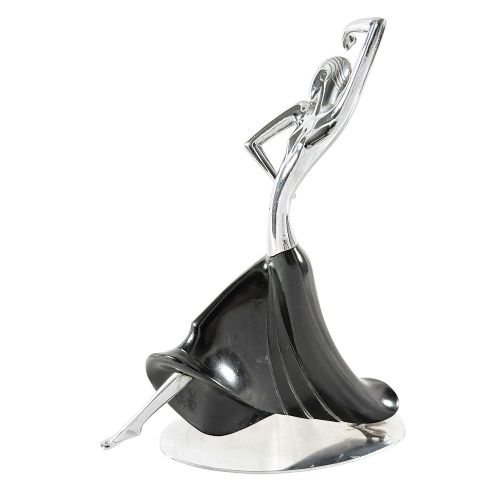

Silver Table Ornament
A silver table ornament brings character to a room through miniature sculpture, novelty boxes and animal figures cast in metal.
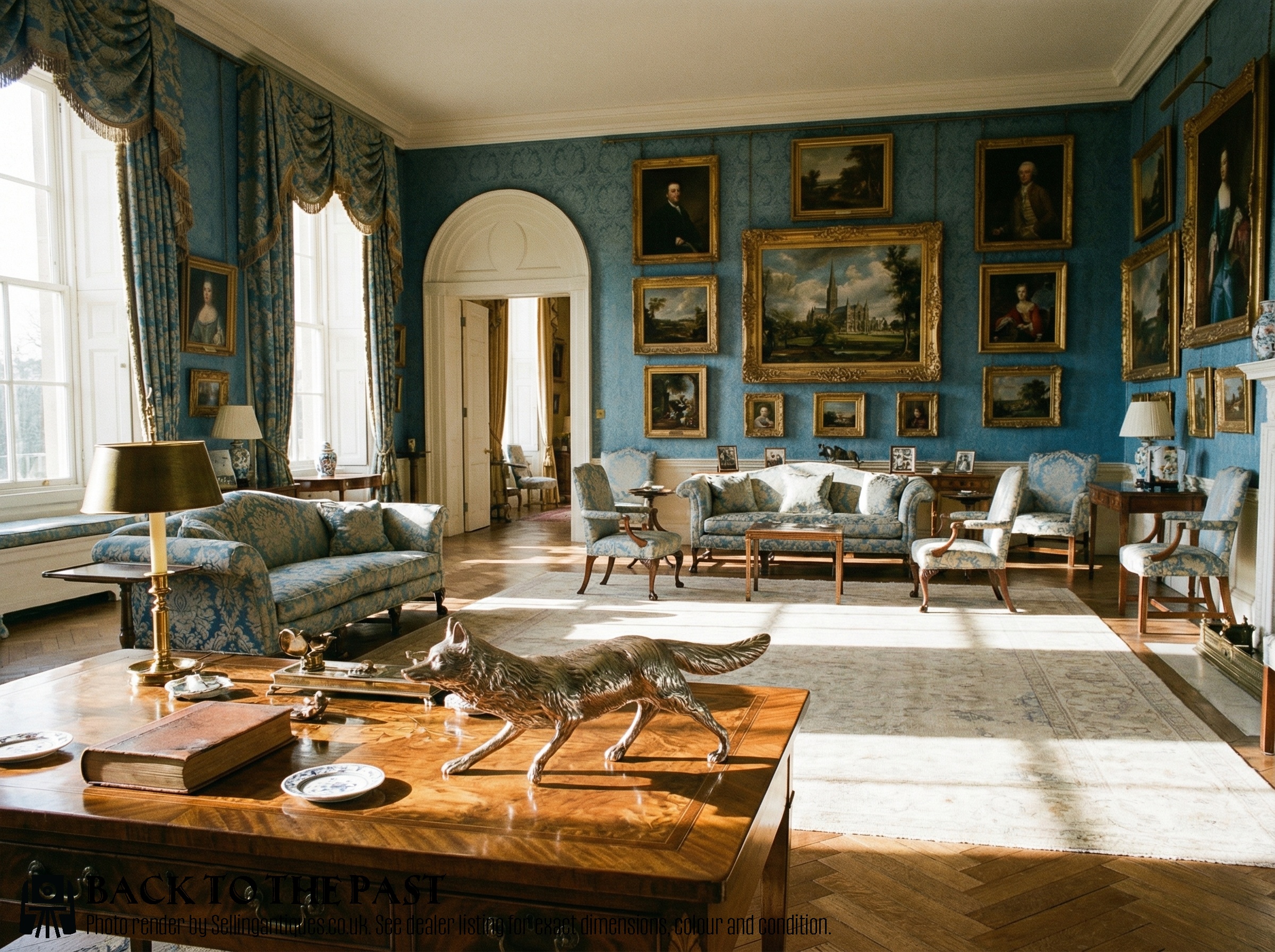
Silver Table Ornament
A silver table ornament encompasses a diverse group of decorative objects designed to sit upon furniture, ranging from small animal figures and menu holders to large centrepieces. When searching this phrase, buyers encounter items created primarily during the Victorian, Edwardian, and mid-twentieth-century periods, reflecting shifting tastes in interior display.
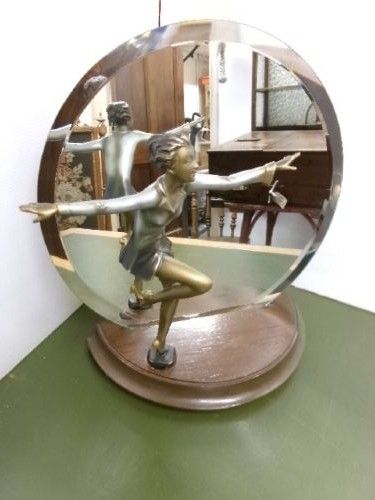
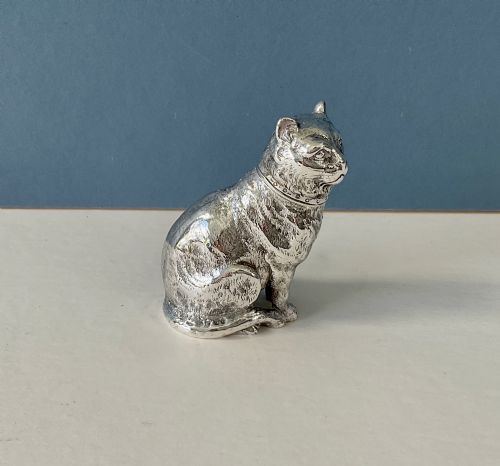
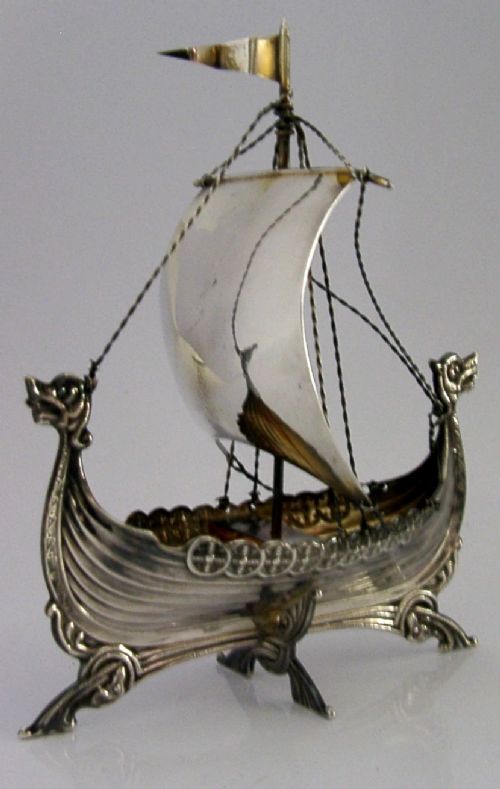
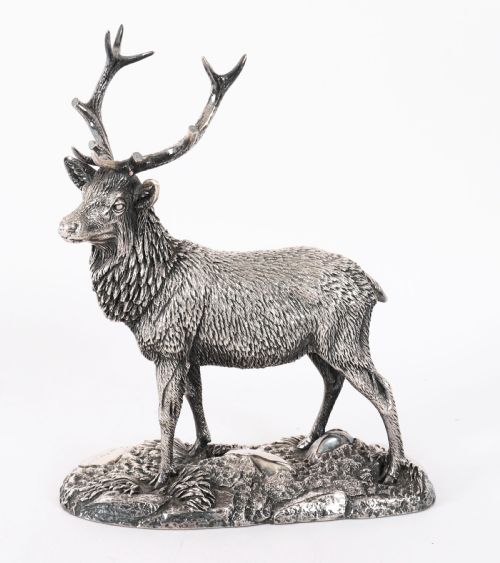
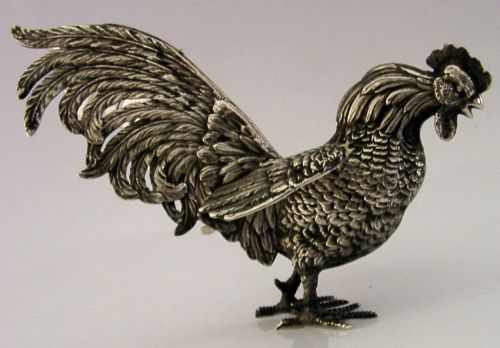
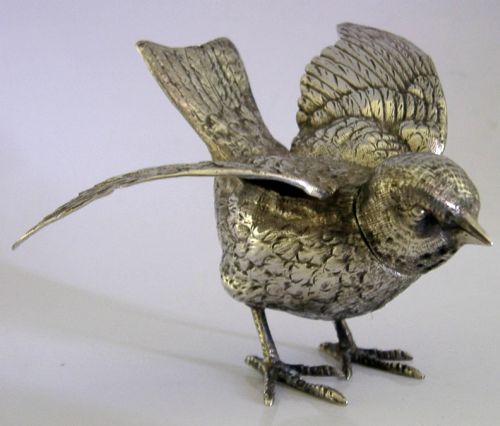
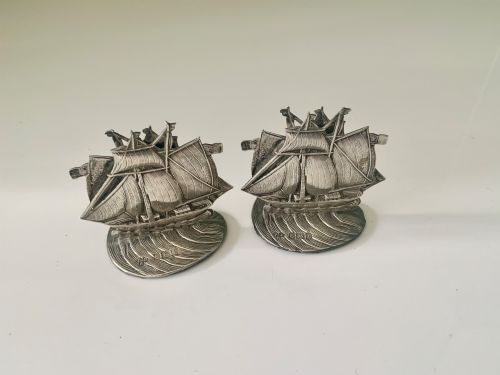
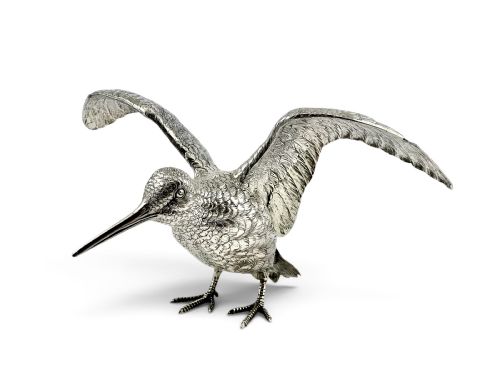
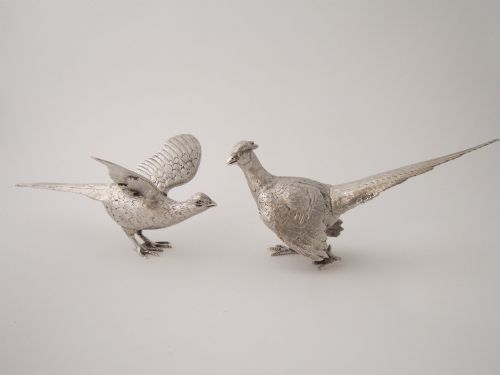
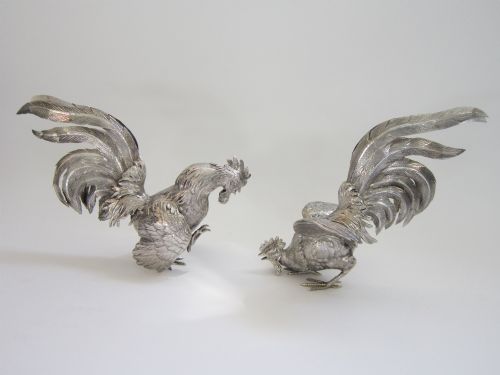
The selection on this page leans heavily towards naturalistic animal models, including pheasants, cockerels, deer, and foxes rendered in solid silver, silver plate, or spelter. Alongside these beasts sit functional novelties like pepper pots, sugar boxes, and menu holders shaped as figures or transport.
Origins vary widely across the inventory, spanning British workshops alongside Continental European centres such as Germany, the Netherlands, and Scandinavia. Buyers find everything from cast bird figures to figural vessels, demonstrating how makers turned everyday dining accessories into sculptural focal points.
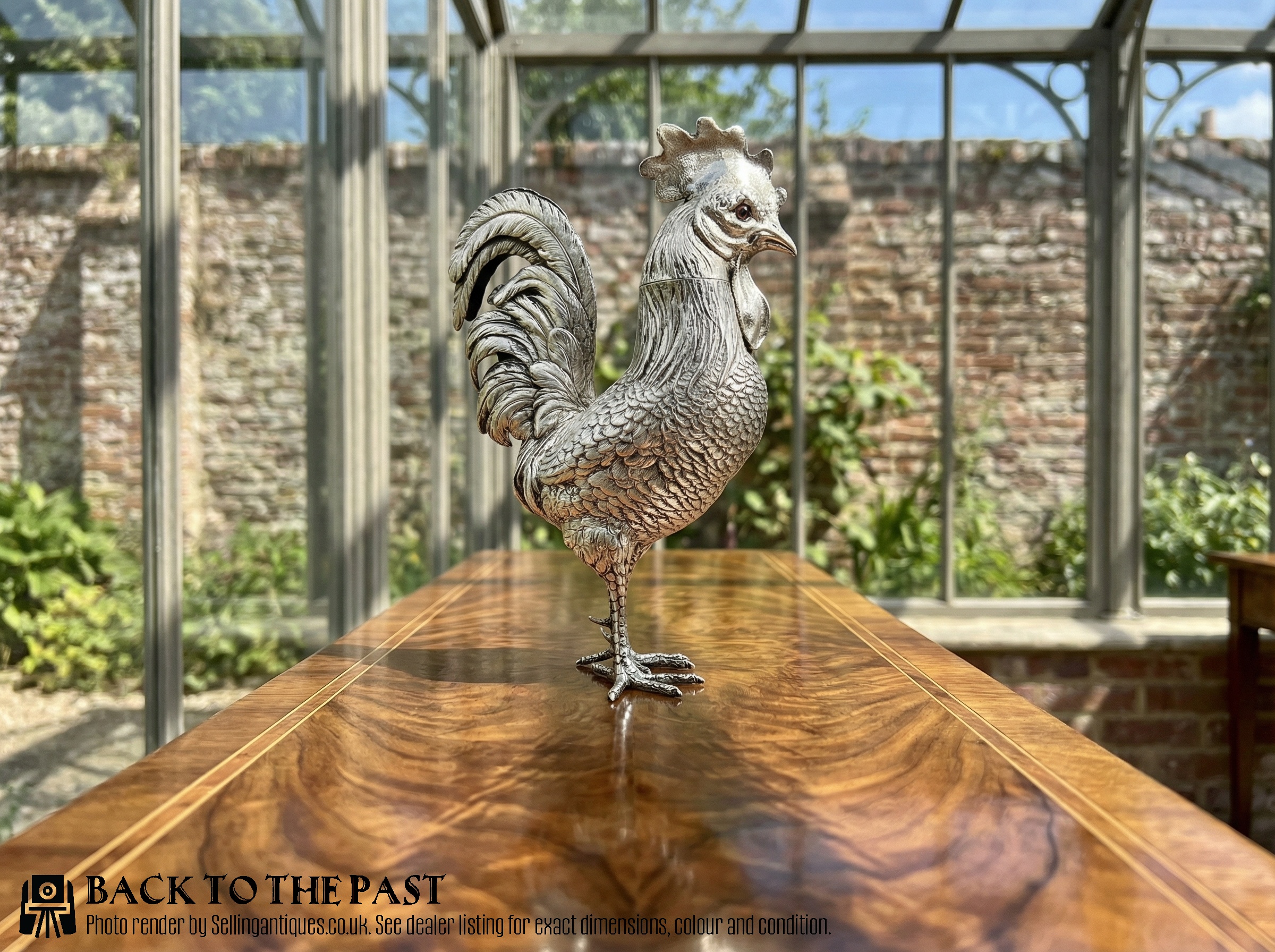
How they were made
Many animal models and figural pieces utilise traditional casting techniques, where molten metal is poured into moulds to create solid or hollow forms. Artisans then refine the surfaces by hand, adding chased feather details, engraved textures, or applied cold-painted finishes.
Makers also combine sterling silver and silver plate with contrasting materials like glass and wood, seen in items such as cut glass epergnes or photo frames with velvet backs. Construction methods range from simple sheet metal manipulation to intricate multi-part assemblies soldered together.
Silver Table Ornament Retail Price Guide 2026
Typical asking prices for silver table ornament among the pieces listed under this phrase on Sellingantiques today, from the lower quarter to the upper quarter. They describe what is for sale here now, not the wider market.
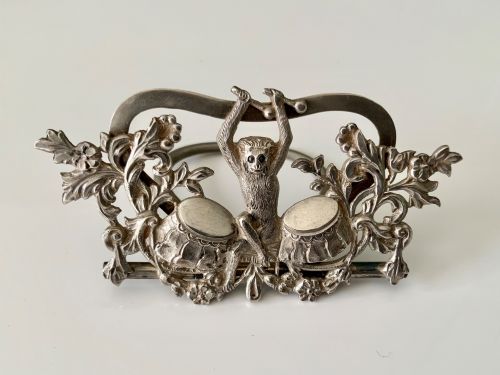
A monkey playing drums sits proudly among the menagerie of silver birds and beasts.
What varies in quality
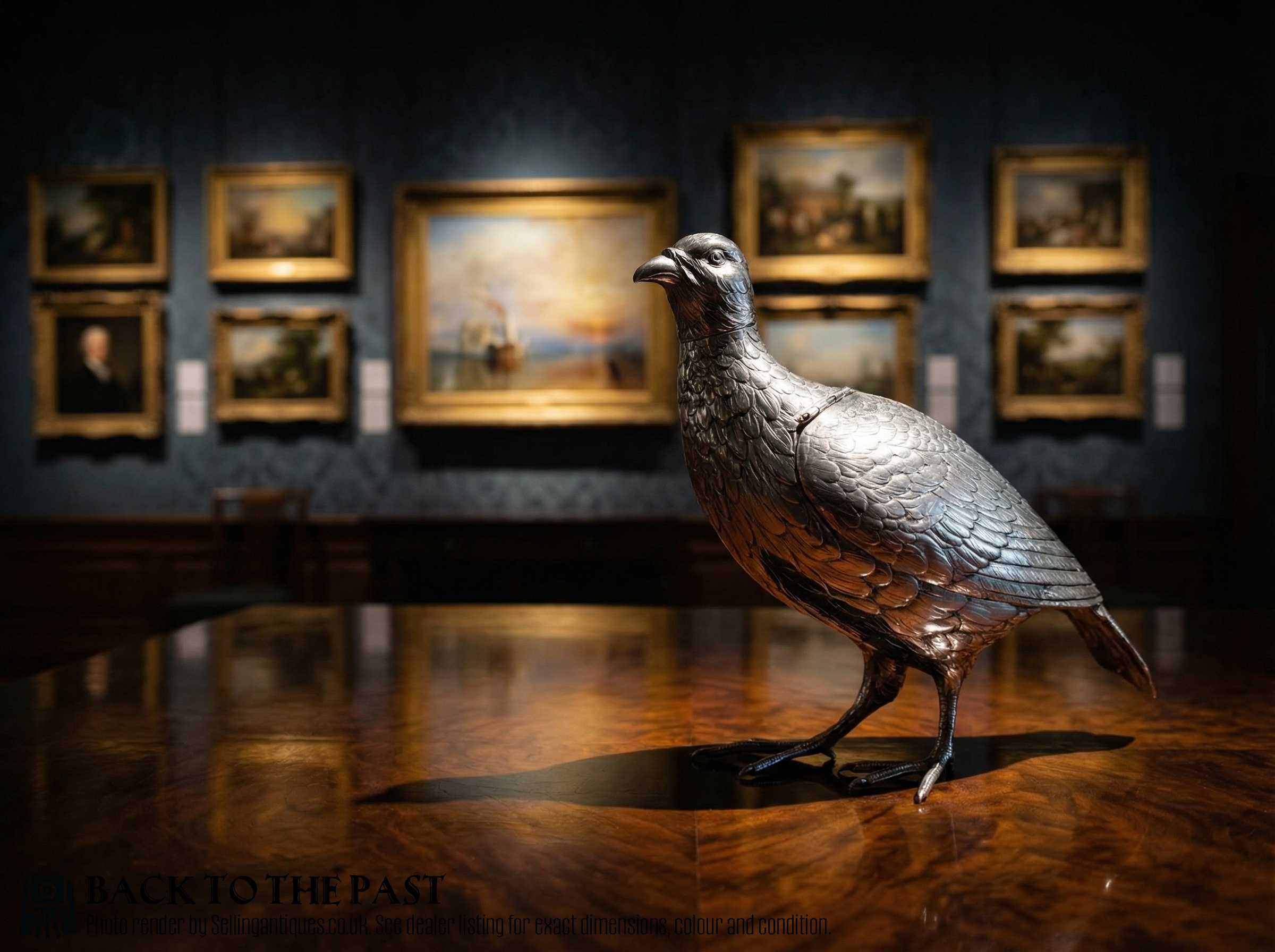
Quality in these pieces depends on the crispness of the casting and the sensitivity of the hand-finishing work. Superior examples exhibit finely detailed feathers, fur, and facial expressions that remain sharp rather than smoothed over by wear or hurried production.
The weight of the metal and the integrity of the construction also set finer items apart from lighter wares. Solid silver objects with substantial heft and well-fitted components demonstrate a higher standard of craftsmanship than thin plated alternatives.
Tom Mackie·Josef Lorenzl·Berthold Muller·Edward John Barnard·Boaz Moses·Mario Bucellati
The Silver Table Ornament Glossary
- Animalier
- A term describing nineteenth- and twentieth-century sculptors and objects focused on realistic depictions of animals. These pieces capture creatures in active or natural poses.
- Epergne
- A large table centrepiece featuring a central bowl with multiple branching arms or dishes attached. They often combine silver or plate with cut glass.
- Cold-painted bronze
- A technique where bronze sculptures are painted with cold enamel colours rather than fired in a kiln. The finish requires careful handling to prevent flaking.
- Sugar box
- A lidded container designed to hold loose sugar on the dining table, frequently cast in whimsical animal or architectural shapes.
- Menu holder
- A small upright stand used to display meal lists at formal dinners, often fashioned into novelty figures or architectural miniatures.
Silver Table Ornament: Frequently Asked Questions
What is a silver table ornament?
A silver table ornament is a decorative sculptural object or functional novelty placed on furniture during meals or for display. These pieces include animal figures, menu holders, and small boxes.
They emerged from various eras to add visual interest and conversation points to dining rooms and living spaces.
How were novelty peppers used?
Novelty peppers functioned as seasoning containers shaped like birds, animals, or human figures on dining tables. Guests and hosts used them to dispense ground pepper during formal meals.
Their clever designs turned a standard dining accessory into an entertaining table feature.
How do I identify Victorian pieces?
Identifying Victorian items involves looking for hallmarks, style markers, and manufacturing techniques characteristic of the nineteenth century. Hallmarks stamp the year and city of assay onto the silver.
Stylistic cues such as heavy naturalism and ornate detailing also point towards the Victorian era.
Where should I display these ornaments?
These ornaments suit placement on sideboards, mantelpieces, and dining tables where their details can be appreciated up close. Pairing smaller figures together creates a cohesive tabletop display.
Placing them away from direct heat sources helps protect delicate finishes and moving parts.